A Bike Race Is a Team Game: Reading Tactical Structure in Major Stage Races
High-level road racing—especially in a major stage race—is less an individual contest and more a series of coordinated decisions about control, attack and endurance. To follow a bike race intelligently you must see it as a shifting balance of collective power: which teams set the tempo, which riders are committed to breakaways, and where the road or weather turns cooperation into selection.
Summary
This piece explains how drafting and peloton mechanics generate energy savings, why breakaways depend on composition and chase commitment, and how teams use roles and the terrain to force or prevent splits.
WHAT KIND OF RACE THIS IS
When we say "bike race" in the context of a major stage race, we mean an event where collective tactics determine outcomes across stages rather than a pure individual time trial or isolated one-day event. The defining feature is the peloton: a group dynamic in which riders shelter each other and teams use coordinated work to reach broader objectives such as stage wins, general classification positioning, or points competitions.
HOW A RACE DAY OR RACE WEEK UNFOLDS
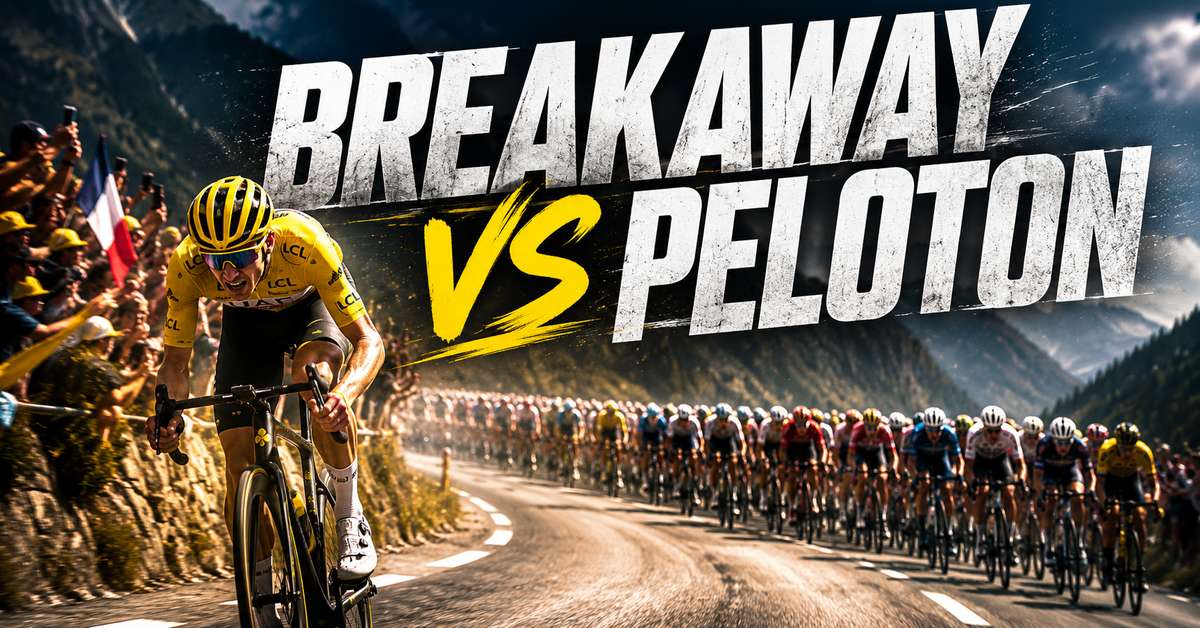
A race day is a sequence of tactical phases. Early on, opportunistic riders and teams form breakaways. Mid-race often becomes a negotiation: the peloton gauges whether a break is a threat or a manageable escape. In the closing kilometres, teams either organize leadouts for sprints, set a high tempo to drop rivals, or protect their leader for a selective finish. Across a race week or a multi-day race, those daily choices compound: energy spent in one stage affects options in the next, so teams manage workload collectively.
RULES, CLASSIFICATIONS, AND TIMING
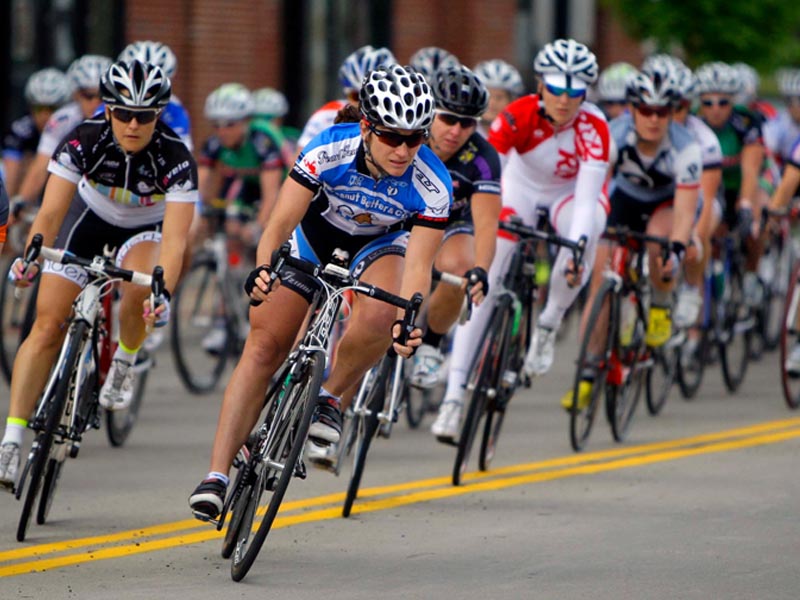
The tactical structure rests on underlying mechanics rather than arbitrary rules. Drafting in a peloton creates large energy savings, which is why riders rotate at the front in pacelines: the lead rider expends far more effort than those sheltered behind. That physics creates incentives to cooperate when beneficial and to contest control when objectives conflict. Time bonuses, points classifications, summit finishes or time cuts may exist in specific races, but the primary tactical consequence is universal: teams allocate effort according to the classifications and moments that matter to their goals.
TEAM TACTICS AND RIDER ROLES
Teams control races by setting pace, protecting leaders, organizing leadouts, and coordinating chases or blocks. Roles are specialized: domestiques sacrifice their own chances to shelter a leader or chase; rouleurs and time trial specialists sustain long pacemaking; climbers and punchers attack selective terrain; sprinters rely on organized leadouts. Those roles determine when a team defends a general classification position, sends riders into breakaways as insurance, or commits resources to reel down an escape.
TERRAIN, WEATHER, AND DECISION POINTS
Terrain and weather are tactical triggers. Climbs and crosswinds force selection: a sustained climb can turn a controlled stage into a battle of endurance, while crosswinds create echelons and split the peloton across the road. Those features change the calculus of cooperation—forcing teams to either work together to chase or to exploit a split and leave rivals behind. In practice, teams watch profiles and forecasts to choose where to assert control or where to conserve energy for decisive sectors.
FEEDING, ENERGY, AND PHYSICAL MANAGEMENT
Because drafting reduces energy expenditure, teams manage who takes turns pulling at the front and when to refuel. Feeding strategies and energy management are collective decisions: domestiques often expend themselves to keep a leader sheltered until nutrition and timing align for a decisive move. Over multiple stages, the cumulative cost of bad energy management can make a team unable to control critical moments later in the race.
WHAT FANS SHOULD WATCH FOR
To read a race watch for who is doing the work and why. If a single team is riding tempo at the front, they are controlling the outcome—either to set up a sprint, to protect a leader, or to nullify a break. If several teams refuse to cooperate at the head, a breakaway is more likely to succeed. Pay attention to where the road narrows, climbs begin, or crosswinds are expected; those are the moments when the balance of power can abruptly change and selections form.
WHY THIS RACE WORKS THE WAY IT DOES
At its core, a major stage race is a contest of collective resource allocation under physical constraints. Drafting physics create incentives to cooperate; team structure and rider roles supply the means to exploit or resist those incentives; terrain and weather supply the triggers that convert cooperation into decisive separation. Understanding a bike race means tracking these moving balances—not only who wins a sprint or a summit, but which teams chose to expend energy, when they did it, and how the road forced the equilibrium to break.
Author: William L.