Today at the Tour de France — How to Read a Stage Live: Tension Zones, Who…
Watching the Tour de France with a tactical lens turns each kilometre into a readable story. Rather than a running play-by-play, learn to spot the route’s identity, the places where the race can split, which teams will take responsibility for a chase, and the decisive moments when the day can genuinely open. This guide gives you a practical, stage-by-stage framework to follow "today at the Tour de France" as a fan who understands what matters.
FIRST READING OF THE STAGE
The first pass through a stage is about route DNA. Ask: is this day structured around early breakaway territory, sprint lead-out organization, repeated climbs, or exposed roads that invite crosswinds? From verified Tour racing patterns we know that most stages see an early move attempt — a breakaway forms and the peloton then decides whether and when to chase. That basic fact should frame your expectations: an early escape is normal, and the question becomes who will let it go and who will control it.
RHYTHM, SEQUENCE, AND ENERGY FLOW
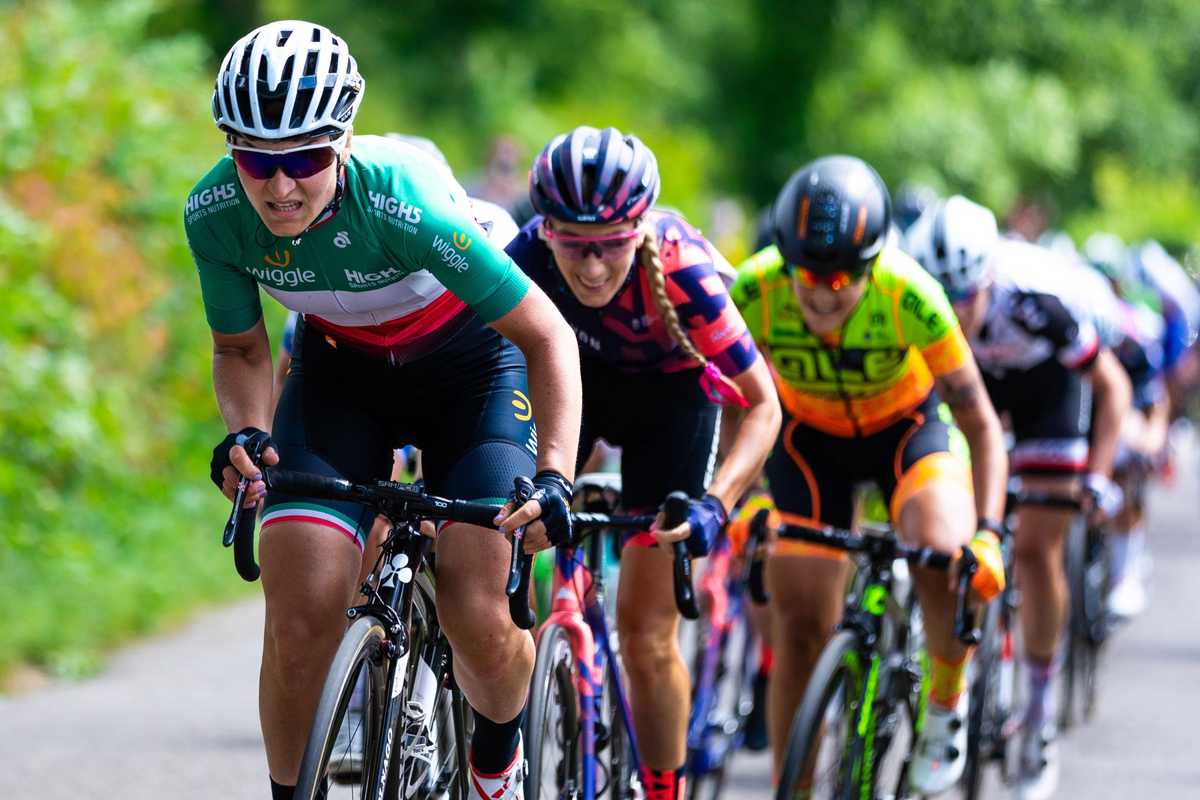
Reading rhythm means mapping where the route asks for steady tempo versus explosive effort. Flat stretches before the finale typically invite calm control and organised lead-outs; rolling terrain with repeated ramps forces constant repositioning and chips away at team energy. If the stage contains categorized climbs or punchy ramps, expect concentration of effort there — climbs are predictable tension zones where contenders and opportunists test rivals. Energy management then becomes visible: teams with sprinters spend resources on the front late; climbers save domestiques for critical uphill moments.
CLIMBS, GRADIENTS, AND SELECTION POINTS
Where a stage really begins to sort the field are the climbs and categorized points. These segments are reliable spots for selection because they concentrate power and reduce drafting benefits. The pros and coaches know which climbs will sting and which are long and steady — and those climbs attract attacks from GC riders, climbers, or opportunists. Use climbs to judge intentions: repeated efforts or steep ramps signal real selection, while a single, gentle ascent is more likely to allow regrouping.
DESCENTS, TECHNICAL ROADS, AND ROAD FEEL
After a climb, the descent often becomes a tactical weapon. Technical roads, narrow bends and confidence gaps create opportunities: strong descenders can increase gaps created on the climb; nervous line choices by rivals open room for time gains. Read the camera shots for how the peloton negotiates corners — a committed group will pull time back on a fast, controlled descent, while a fragmented bunch hands advantage to a lead group. Descending is as much a positional exercise as climbing.
WIND, EXPOSURE, AND PELOTON FRAGILITY
Open, exposed roads and crosswind-prone sectors are classic "zones of tension." Crosswinds and narrow roads make echelons possible; they can split the peloton quickly and create GC-impacting gaps. When the route passes long exposed stretches, watch which teams move riders to the front and whether any side-to-side acceleration begins. Those moments demand alertness and effort conservation from contenders — a misread or a momentary lack of support can cost valuable time.
BREAKAWAY, GC, OR SPRINT?
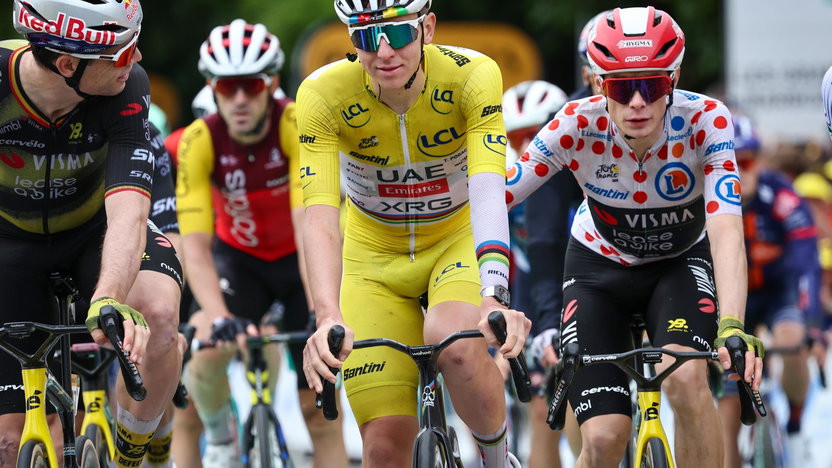
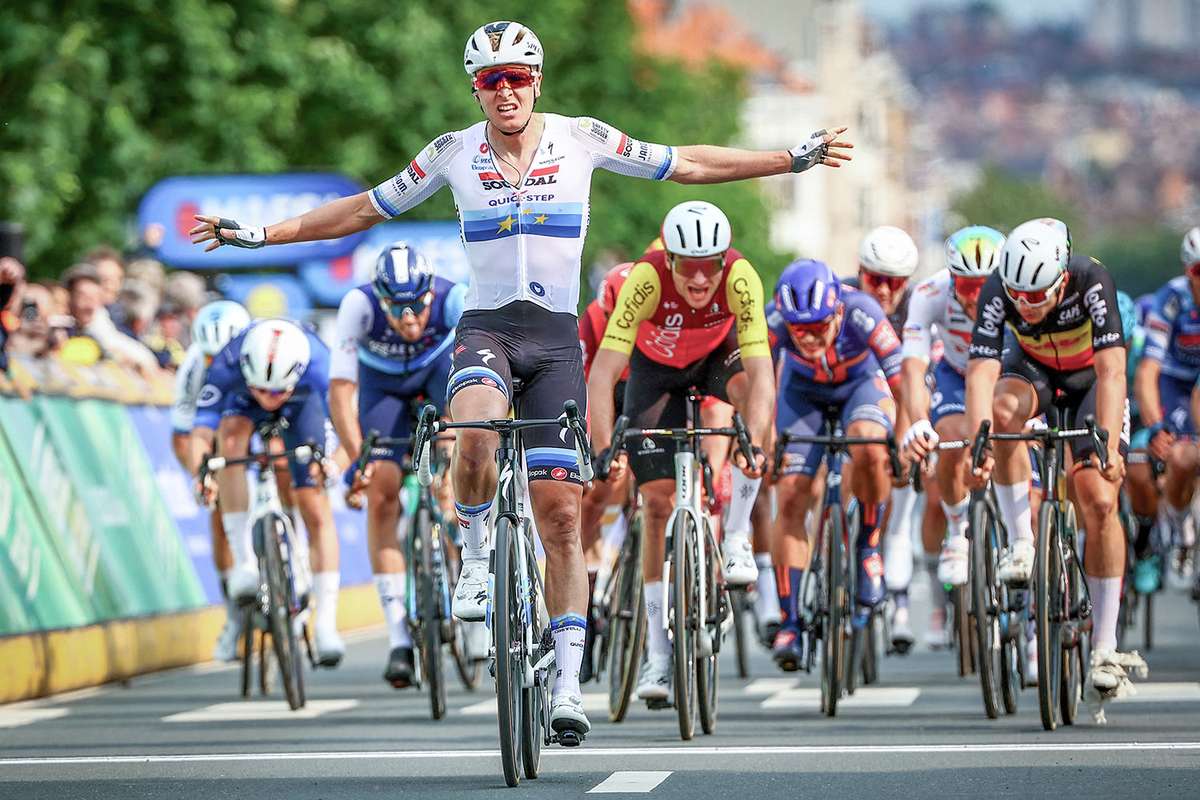
Deciding which script the stage invites comes down to simple observation. Early breakaways are common and often succeed in stages that lack sustained late climbs or where sprinters’ teams choose not to chase. Conversely, sprint stages are shaped in the final kilometres by coordinated lead-out trains: teams place riders on the front to deliver their sprinter into position, so watching which teams commit riders to the front reveals the day’s plan. If the route includes categorized climbs, those are the natural launch pads for GC or opportunist attacks — climbs concentrate effort and create openings that a breakaway or a GC move can exploit.
TACTICAL SCENARIOS AND WHO WILL CHASE
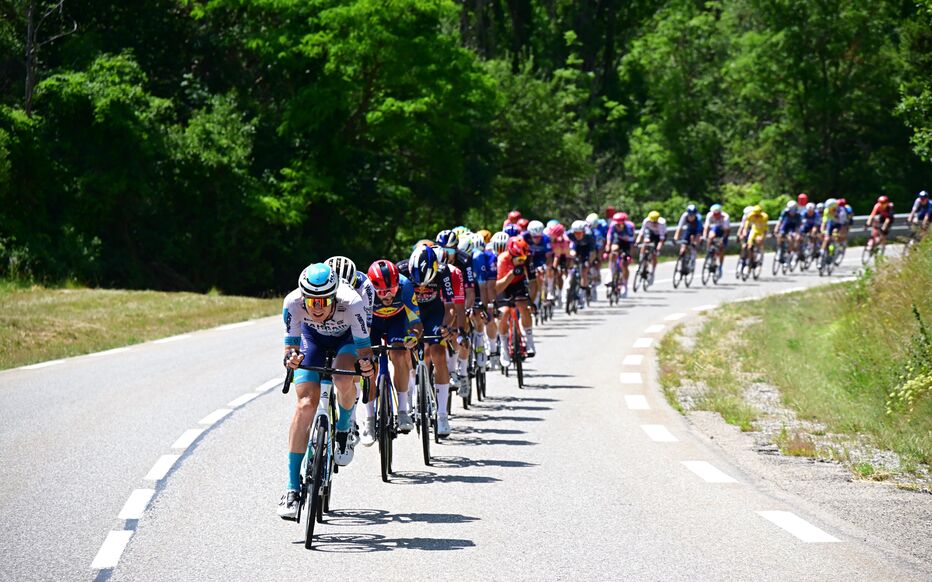
Teams assume chase responsibility based on interests: squads with sprinters or GC ambitions are the visible drivers on the front. You can read intention by watching who places riders on the peloton’s front and who sets tempo. If several teams benefit from a catch, the chase will be organised; if only one or two teams care, the break gains advantage. Crosswinds, climbs and narrow roads alter those dynamics — when a stage has pronounced tension zones, teams that lack numbers will be cautious about committing resources, and that hesitation is where the race opens.
HISTORY, MEMORY, AND STAGE LEGACY
While this guide focuses on live reading, similar stage types have taught consistent lessons: breakaways typically form early; crosswinds and narrow roads repeatedly produce echelons; and categorized climbs are reliable moments to force selection. Remembering these recurring patterns helps interpret the live action — when you see a climb or an exposed sector, the likely tactical options narrow and the probable outcomes become easier to anticipate.
WHY THIS MATTERS
Following "today at the Tour de France" with a tactical grid turns passive viewing into active analysis. Look first for the early break, then identify which teams place riders on the front, map the route for climbs and exposed sectors, and watch how lead-out trains or domestique tempo evolve. Those five lenses — breakaway formation, team chase responsibility, crosswind vulnerability, climb selection, and lead-out organisation — give you a clear, reliable way to read any stage live.
Use these cues to turn the broadcast into a sequence of meaningful moments rather than a list of events. Spot the front of the peloton, note the roads where tension can appear, and the stage will reveal itself.
Author: Cynthia D.