Tour de France Stage 2 — What the Tarragona to Barcelona Montjuïc Finish…
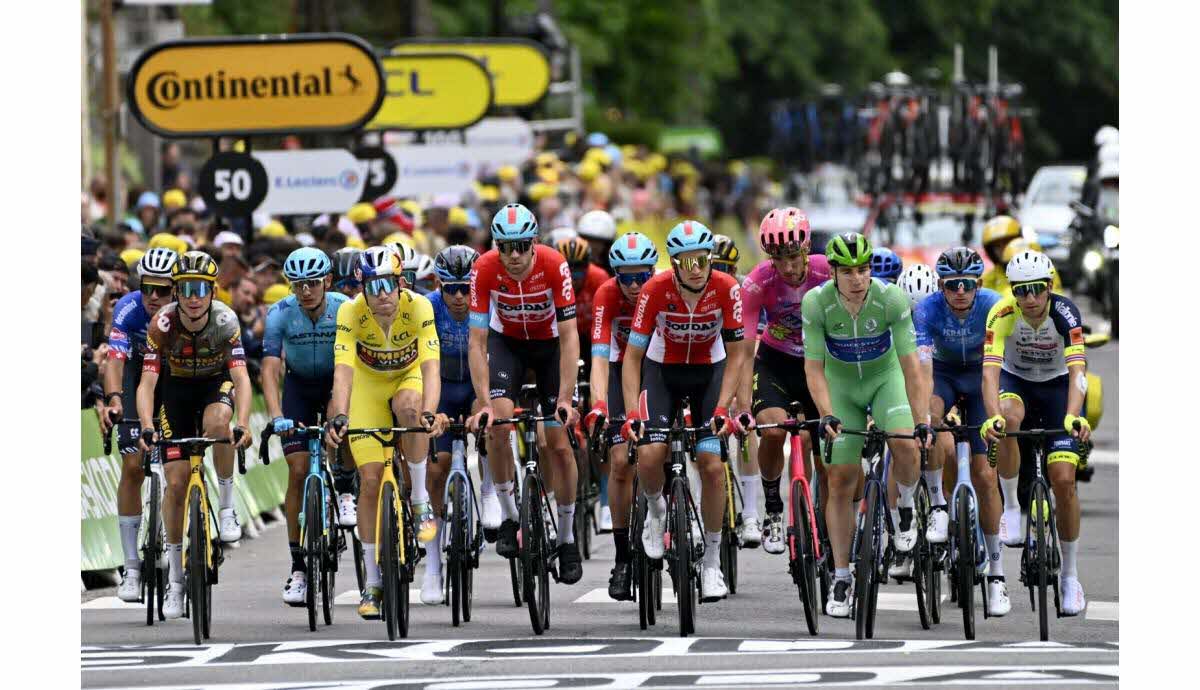
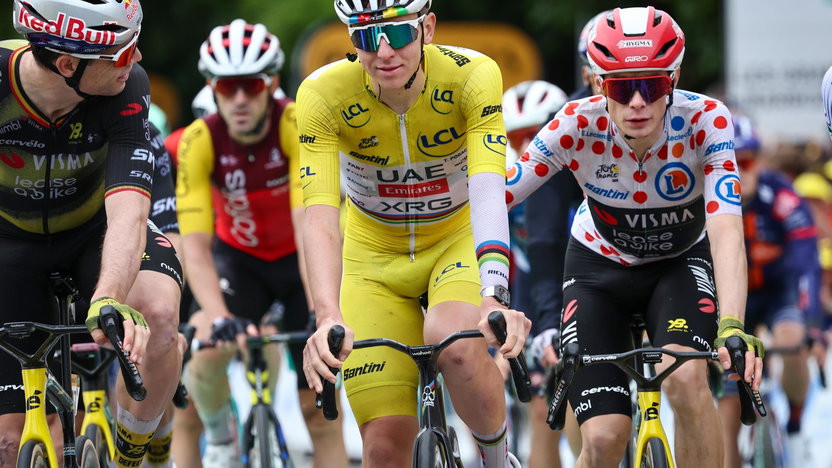
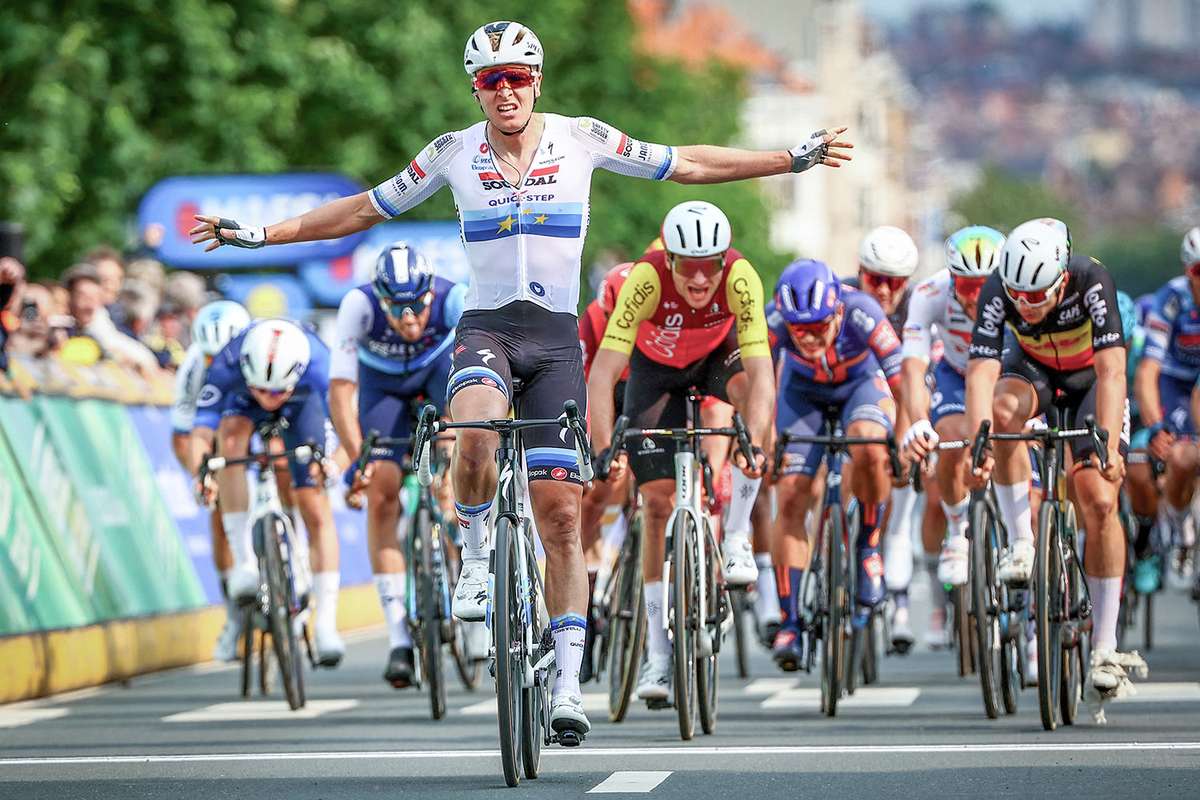
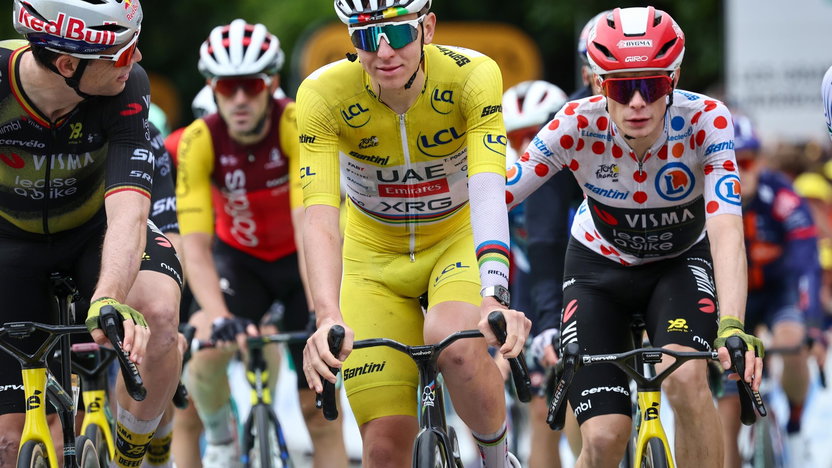
Stage 2 of the 2026 Tour de France (5 July) — a 168.5 km run from Tarragona to Barcelona finishing on the Montjuïc circuit — moved the race out of opening nervousness and into immediate tactical clarity. The route combined a hilly second half, roughly 2,500 metres of elevation gain concentrated late, and three climbs of the steep Côte du château de Montjuïc (1.6 km at 9.3%) on the finishing circuit, the summit of the last ascent passing with 2.5 km to go. The result — Isaac Del Toro (UAE Team Emirates‑XRG) taking the win with team‑mate Tadej Pogačar alongside and Remco Evenepoel third, while Jonas Vingegaard retained the Maillot Jaune with a 6‑second lead over Pogačar — underscored how the stage design immediately forced genuine choices.
FIRST READING OF THE STAGE
At first glance the Tarragona → Barcelona stage reads as a transitional day that is nevertheless decisive. The distance (168.5 km) is moderate, but the profile’s DNA is clear: a relatively calm opening gives way to sustained climbing and a technical, punchy circuit on Montjuïc. The repetition of a short, steep climb inside the finishing laps transforms what could be a sprinter’s day into a race for punchy climbers and strong classics‑style riders. That visible DNA already limits the script: teams must decide whether to contest the finale directly or to invest in late control to protect GC position.
RHYTHM, SEQUENCE, AND ENERGY FLOW
The stage’s energy logic hinges on when the climbing begins. With most elevation concentrated in the second half, teams had the option to let an early move go and conserve resources for the final circuits. But the three passages of the Côte du château de Montjuïc create repeating intensity spikes: each ascent is short and steep, demanding high power-to-weight bursts and rapid recovery between efforts. That sequence turns the finale into a series of accelerations rather than one long steady climb, favouring riders who can absorb punchy efforts and still have a sharp sprint or a late surge.
- Moderate early kilometres: low continuous expenditure, opportunity to save teammates.
- Concentrated climbing late: repeated anaerobic efforts required.
- Final summit with 2.5 km to go: immediate tactical window for attacks or regrouping.
CLIMBS, GRADIENTS, AND SELECTION POINTS
The decisive feature is the Côte du château de Montjuïc — 1.6 km at 9.3% — repeated three times on the finishing circuit. Short, steep climbs like this are selective because they reward explosive power and punish heavier domestiques; the race becomes fractious every time the gradient bites. The last summit placed riders 2.5 km from the finish, a distance short enough for a small group to hold a gap but long enough for elite pursuers to organise a chase. That placement makes the final ascent the clear selection point: gaps established there are tactically meaningful for both stage hunters and GC contenders.
DESCENTS, TECHNICAL ROADS, AND ROAD FEEL
The Montjuïc circuit’s nature — short circuit laps in an urban setting with a steep climb — elevates the importance of technical descending and cornering in the finale. After the last summit, the remaining 2.5 km leave little margin for error: fast, accurate descending or competent handling in tight urban turns can be the difference between taking the win and being swallowed by a chasing rider. In this finish, riding the descent and streets confidently is as tactically relevant as the attack itself.
WIND, EXPOSURE, AND PELOTON FRAGILITY
The verified route facts emphasise climbing and circuit intensity rather than long exposed sectors. With the critical terrain concentrated on Montjuïc and the stage finishing in Barcelona, the main fragility for the peloton came from the repeated steep efforts rather than crosswinds across open plains. That said, any coastal approach or urban wind gusts on circuit laps can amplify splits when riders are already stretched from the climbs — but the stage’s primary mechanism for separation was the series of steep ascents.
BREAKAWAY, GC, OR SPRINT?
Given the profile, the natural race script combined breakaway opportunity with late GC and punch‑finish scenarios. A morning escape could be allowed early, but the concentrated elevation and the Montjuïc laps make it unlikely a large flat sprint would succeed. Instead, the stage invited attacks on the circuit’s climbs and tactical positioning into the final descent. The result — a Del Toro win with Pogačar alongside, Evenepoel third, and Vingegaard retaining yellow by six seconds — illustrates two realities: opportunists can win from reduced groups on the circuit, and top GC names will be represented and attentive when short steep climbs are the finishing yard.
HISTORY, MEMORY, AND STAGE LEGACY
This edition’s Stage 2 added to Montjuïc’s Tour legacy by producing an early test that separated fast punchers and confirmed team dynamics. Isaac Del Toro’s victory made him only the second Mexican stage winner in Tour history, while UAE Team Emirates‑XRG showed early strength by placing Del Toro first and Tadej Pogačar second on the day. Jonas Vingegaard’s retention of the Maillot Jaune with a 6‑second buffer over Pogačar emphasised how even early stages with punchy finishes can shape the general classification margins.
WHY THIS STAGE MATTERS
Stage 2 from Tarragona to Barcelona mattered because it converted a moderate distance into a decisive test through concentrated climbing and a punchy circuit finale. The route rewarded explosive power, tactical positioning on repeated ascents, confident descending, and teams willing to manage efforts for both stage glory and GC protection. The day demonstrated how a stage that initially looks transitional can force meaningful choices: control for a GC leader, aggression from punchy climbers, or opportunism from strong breakaway riders. In Barcelona, those choices produced a memorable outcome that reshaped early Tour dynamics.
Author: Cynthia D.