Retracing the history of the Road World Championships: how parcours, terrain…
The UCI Road World Championships occupy a distinct historical scene in professional cycling. From the formal adoption of the rainbow jersey in 1927 to a century of shifting venues and parcours, the event has developed its prestige through deliberate route design and an emblematic title jersey.
Summary
This article traces how the Road World Championships became a separate historical stage in cycling by linking the development of the parcours, the symbolic power of the rainbow jersey and the moving geography of host venues.
Reader preview
- Why the rainbow jersey defines the event
- How course design selects certain rider types
- How hosting choices carry cultural weight
HOW THE RACE BEGAN
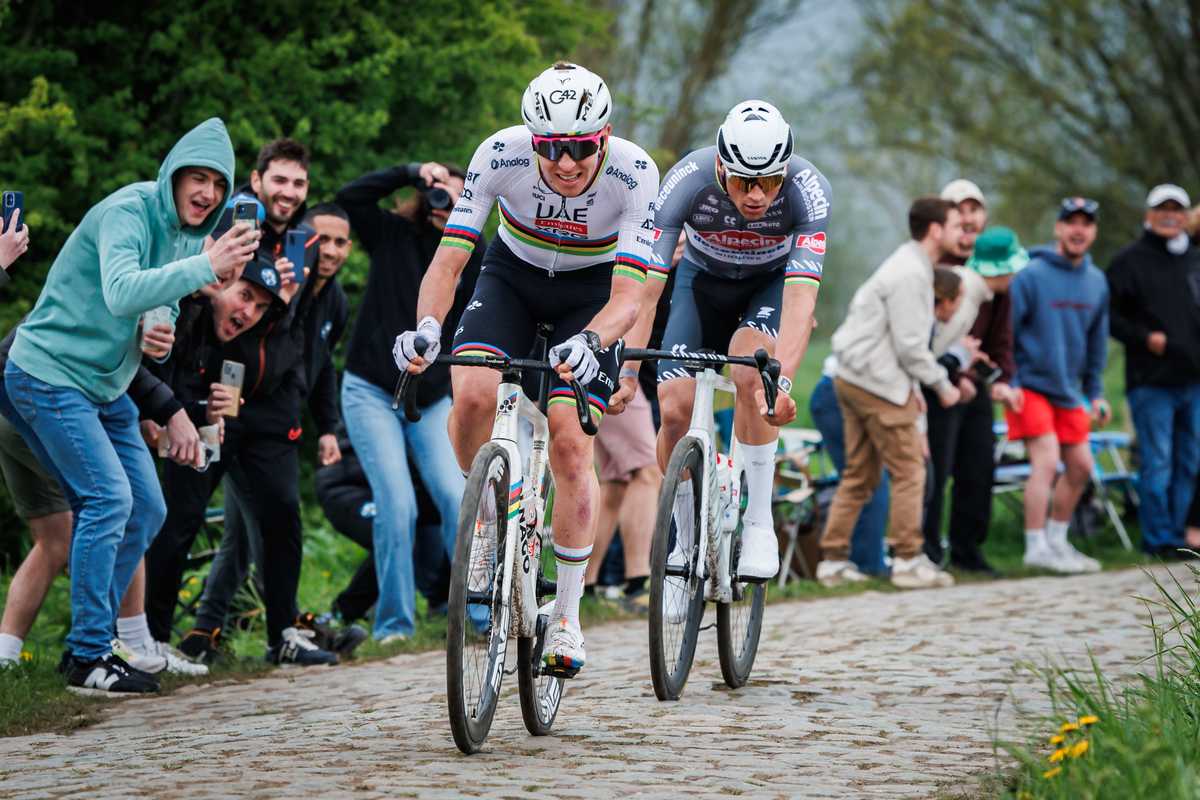
The UCI Road World Championships were formalised as a recognisable global competition in the early 20th century and the organisation marks the championships as a century-long historical phenomenon. The rainbow jersey became the event's defining symbol from the first officially recognised championships in 1927. That adoption placed a visible, regulated emblem at the centre of the event's identity.
EARLY IDENTITY AND FIRST ERAS
The championships established an identity separate from season-long competitions by awarding a single, highly visible title and the right to wear the rainbow stripes. Over time the UCI documented the event's evolution in retrospectives, framing it as a continuous historical scene that has been updated through format adjustments and the addition of events, including the growth of women's races.
ROUTE LOGIC AND TERRAIN IDENTITY
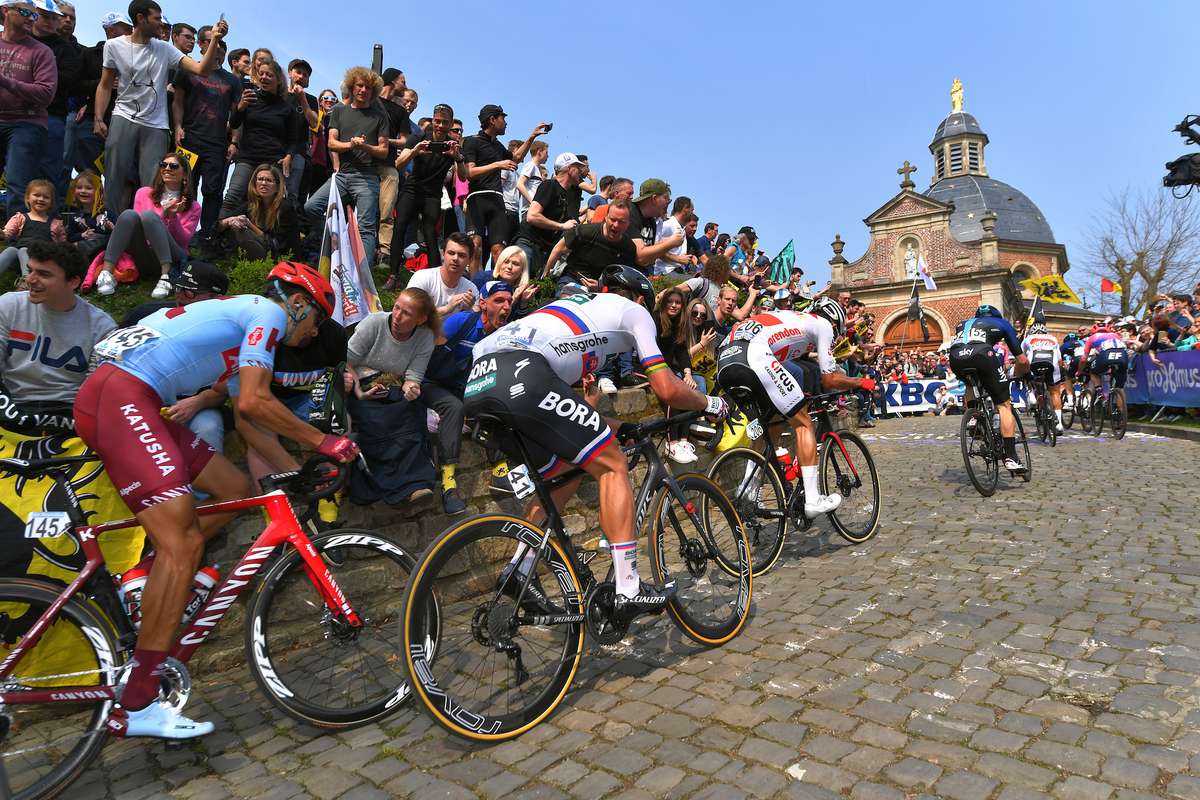
Course design (the parcours) has been a primary mechanism by which organisers influence who can win. Official route announcements and technical guides demonstrate how climbs, circuit profiles and repeated loops create editions that favour climbers, punchers or sprinters. Examples in recent decades include route descriptions for Imola (2020) and other official race guides that show organisers deliberately use terrain to shape selection and outcome.
ORGANISERS, CITIES, AND INSTITUTIONS
The UCI and local organisers have used host selection and course planning to link the championships to regional narratives. The movement of the event beyond Europe — highlighted by Montréal hosting the championships in 1974 and its return in later announced editions — and the choice of specific city circuits and climbs show how institutions shape the event's identity by combining venue history with technical parcours choices.
DEFINING EDITIONS AND HISTORIC MOMENTS
Certain editions have been framed by organisers and commentators as turning points because of their route choices and geographic significance. Official technical briefings and UCI previews emphasise how an edition's parcours can be unusually climb-heavy or tailored to local terrain, with modern examples showing deliberate course profiles intended to produce a particular racing type. The shift to staging championships in new continents, such as an African edition in Kigali in 2025, marks geographic turning points in the event's history.

LEGENDS, WINNERS, AND REPEAT PATTERNS
The rainbow jersey itself plays a central role in how the championships create lasting patterns of prestige. The UCI documents the jersey's history and the rules that regulate its use. Official equipment guidelines make the rainbow stripes UCI branding and set the terms for its appearance on riders' clothing and equipment. The production of the official jersey by established manufacturers has also been recorded by the UCI in recent years.
INTERRUPTIONS, CHANGES, AND MODERN TRANSITIONS
Across its long history the championships have changed in format and geography without losing the core institution of the world title and the rainbow jersey. The UCI's century retrospective and ongoing event hubs document this evolution: additions such as new categories, the staging of editions outside Europe, and modern route choices that emphasise local climbs or circuit repetition are examples of how the championships adapt while preserving symbolic continuity.
WHAT THE RACE MEANS TODAY
Today the UCI Road World Championships remain a distinct historical stage where one-day course design and a single, symbolic jersey confer long-term prestige. Official route publications and equipment rules show the championships operate through two linked forces: the parcours, which selects certain riders in a given year, and the rainbow jersey, a regulated visual emblem that links each edition to a continuous historical lineage maintained by the UCI and its production partners.
Author: William L.