How the Monuments Built Their Prestige: Routes, Hardness and Memory
The five Monuments of cycling — Milan–San Remo, Tour of Flanders, Paris–Roubaix, Liège–Bastogne–Liège and Il Lombardia — are more than single-day races. They are recurring dramas whose routes, physical severity and layered stories have made them pillars of the sport’s collective memory.
What this article explains
How repeated parcours, distinctive terrain features and curated history combined to produce the prestige of the five Monuments and why they remain central to cycling culture.
HOW THE RACE BEGAN
The five races recognised as cycling’s Monuments began in the late 19th and early 20th centuries and have held places on the calendar ever since. Liège–Bastogne–Liège, nicknamed La Doyenne, traces back to 1892; Paris–Roubaix began in 1896; Il Lombardia held its first edition in 1905; Milan–San Remo first ran in 1907; and the Tour of Flanders appeared in 1913. Their foundation in that era gave each event an immediate historic depth and positioned them within the growth of organised road racing across Europe.
EARLY IDENTITY AND FIRST ERAS
From their earliest editions these races took on distinctive characters shaped by geography and the conditions of early road racing. Long distances and primitive surfaces meant success demanded endurance, resilience and tactical sense. Over successive decades the Monuments developed reputations tied to particular conditions: Milan–San Remo as a long sprinter’s classic, Paris–Roubaix as the pavé battle, the Tour of Flanders as the arena of Flemish climbs and cobbled hellingen, Liège–Bastogne–Liège for Ardennes hardness, and Il Lombardia for late-season, often climbing-led drama. Those identities emerged from repeated practice rather than single decisions, and they hardened as legendary editions accumulated in public memory.
ROUTE LOGIC AND TERRAIN IDENTITY
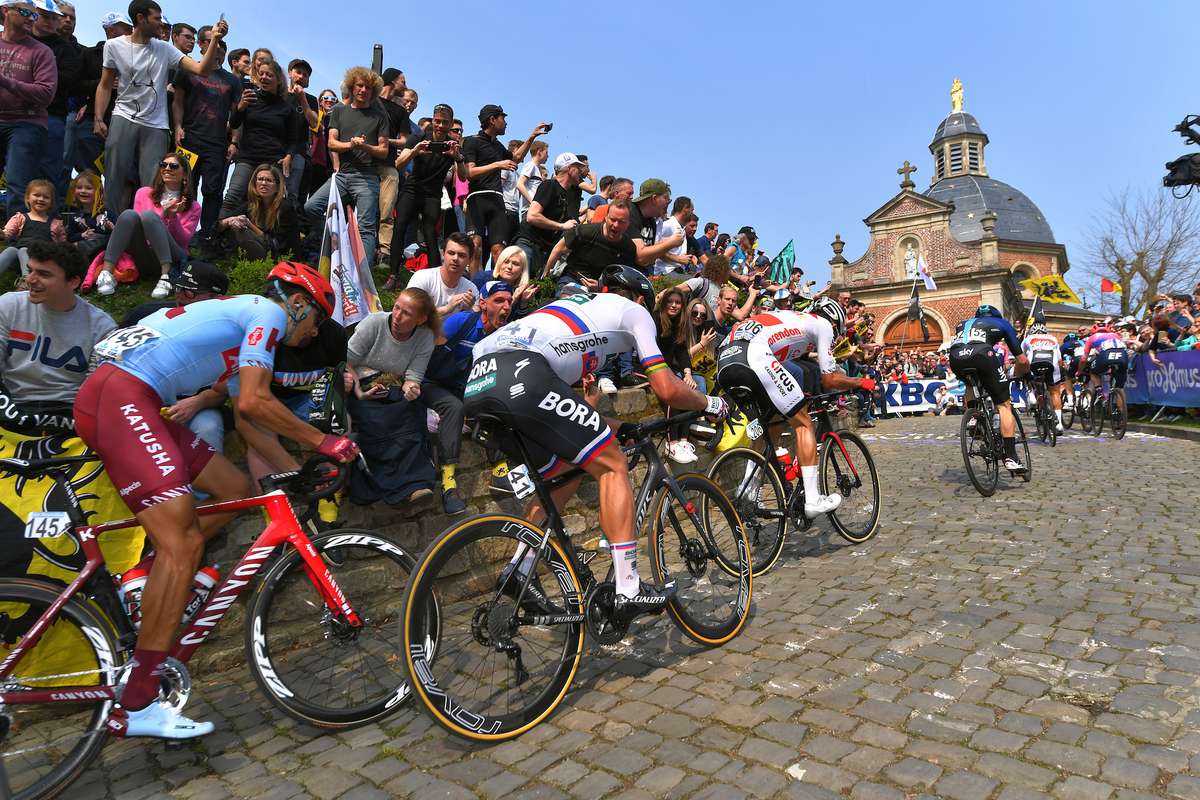
Central to Monument prestige is the repetition of route features that create recurring narrative set-pieces. In Flanders, steep short climbs and cobbled ascents such as the Oude Kwaremont, Paterberg and Koppenberg define decisive moments; Paris–Roubaix is synonymous with the Trouée d'Arenberg and other rough cobbled sectors that turn the race into a test of bike handling and equipment; Milan–San Remo is notable for its extraordinary length; Liège’s Ardennes profiles concentrate the action on steep climbs that separate specialists; and Il Lombardia’s terrain lends itself to climbers and punchers late in the season. The near-continuity of these elements means fans and riders can anticipate where stories will unfold, allowing performances to be compared across generations.
ORGANISERS, CITIES, AND INSTITUTIONS
Organisers and local institutions have actively cultivated each Monument’s heritage. Official histories, museums and interpretive centres help preserve and promote the races’ stories: the Tour of Flanders Centre in Oudenaarde and the historical material published by Paris–Roubaix and Il Lombardia organisers are examples of how institutional memory supports the races’ identities. These bodies manage route choices, commemorations and public storytelling, reinforcing continuity even as logistics and safety evolve.
DEFINING EDITIONS AND HISTORIC MOMENTS
While this article does not catalogue winners, the Monuments are defined by repeated epic episodes — brutal weather editions, iconic solos, and equipment-ravaging cobbles — that create durable images in the sport’s narrative. Media coverage and specialist press amplify those episodes, shaping collective recall. Over decades, certain editions become shorthand for a race’s character and are regularly referenced in race previews and histories as emblematic moments that explain why the event matters.
LEGENDS, WINNERS, AND REPEAT PATTERNS
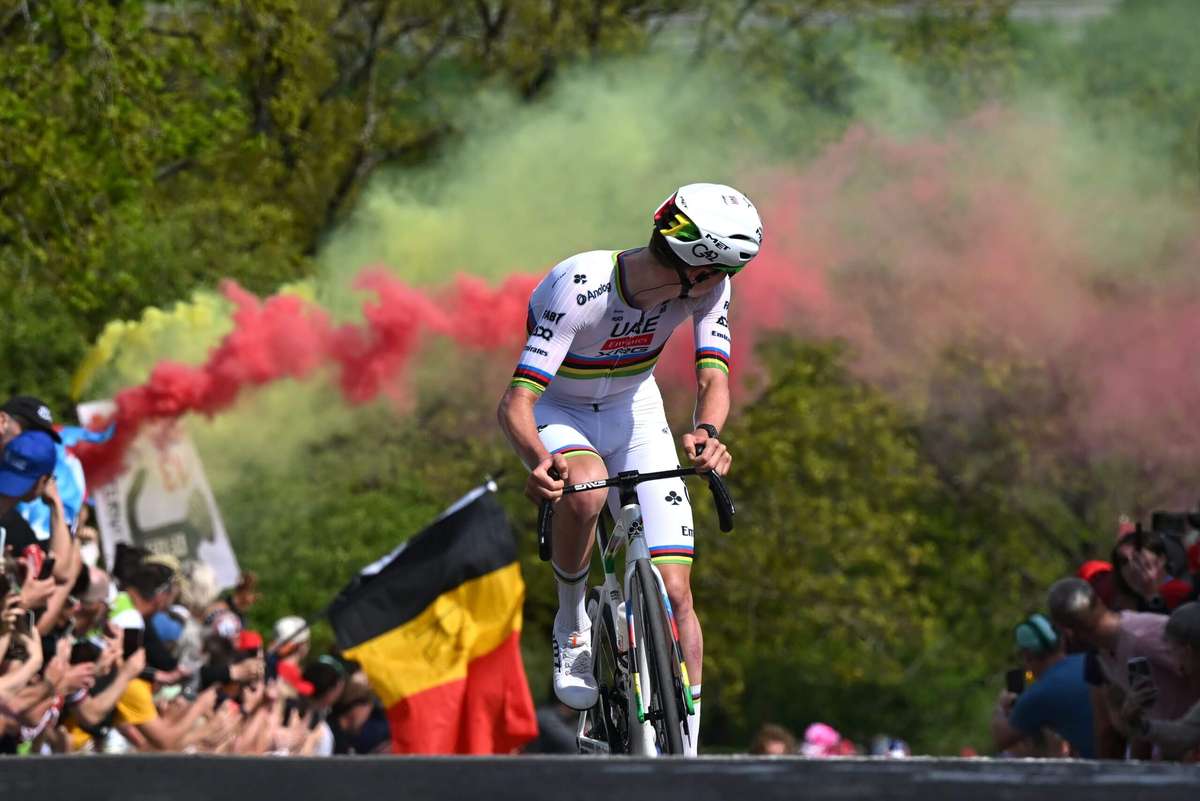
Prestige accrues when riders build patterns of success and when repeated tactical outcomes become associated with a race. The Monuments reward specific kinds of riders repeatedly: long-distance specialists at Milan–San Remo, cobbles experts at Paris–Roubaix, and Ardennes climbers at Liège. Repetitions — riders returning to contest the same route features year after year, and fans watching the same climbs and sectors — create a layered continuity where performances are measured against past achievements.
INTERRUPTIONS, CHANGES, AND MODERN TRANSITIONS
Over more than a century, the Monuments have adapted to changing roads, safety concerns, broadcasting needs and modern logistics. Organisers occasionally alter courses or reconfigure starts and finishes to balance tradition with practical realities. Yet the strategy has often been to preserve the routes’ recognisable elements — the cobbled sectors, the key climbs, the long distances — so that continuity remains central to the races’ identities even as other details change.
WHAT THE RACE MEANS TODAY
Today the five Monuments stand as cultural touchstones in professional cycling. Specialist media, museums and organisers’ histories frame them as the sport’s primary one-day events whose repeated episodes generate the strongest collective memories. Their prestige comes from the interplay of extreme terrain, repeated and recognisable route features, long continuity on the calendar and the cumulative force of historic narratives. For riders, a Monument win is career-defining; for fans, each spring and autumn edition renews a shared archive of drama that binds generations together.
Quick takeaway
The Monuments built prestige by repeating distinctive route features, embracing physically severe terrain and fostering curated histories that turn individual editions into lasting chapters of cycling memory.
Author: Cynthia D.