How Major Races Shaped the Cycling World
Major stage races and one-day Monuments did more than decide winners: they built the structures, identities and cultural codes of professional road cycling. This article examines how Grand Tours and the five Monuments developed distinct characters, influenced team tactics and media calendars, and linked sport to regional and national narratives.
Summary
This piece traces origins—from the first editions of the three Grand Tours to the five Monument classics—and explains how their routes, organisers and cultural codes structured professional cycling.
Reader preview
- Where the Grand Tours and Monuments began and why dates matter
- How route choices and organisers shaped identity
- Why cultural codes like the "flandrien" or climber/GC archetype persist
HOW THE RACE BEGAN
The modern calendar of elite road cycling crystallised around a small set of flagship events that launched in the early 20th century and later. The three Grand Tours—the Tour de France, the Giro d'Italia and the Vuelta a España—appear as long-form anchors: Tour de France first held in 1903, Giro d'Italia in 1909 and Vuelta a España in 1935. Parallel to stage racing, the five one-day Monuments emerged and consolidated as the most prestigious classics: Milan–San Remo, the Tour of Flanders, Paris–Roubaix, Liège–Bastogne–Liège and Il Lombardia. These founding moments created durable competitions around which teams, sponsors and media structured seasons.
EARLY IDENTITY AND FIRST ERAS
From their inception these races developed specific identities. Grand Tours established endurance and general classification as central sporting narratives: multi-week contests that required teams to organise around overall victory and sustained performance. The Monuments, by contrast, crystallised one-day specialisms: certain riders and teams focused careers on cobbles, long sprinter finishes or Ardennes-style climbs. Early decades set the template for specialisation and prestige that would professionalise the sport and encourage international participation.
ROUTE LOGIC AND TERRAIN IDENTITY
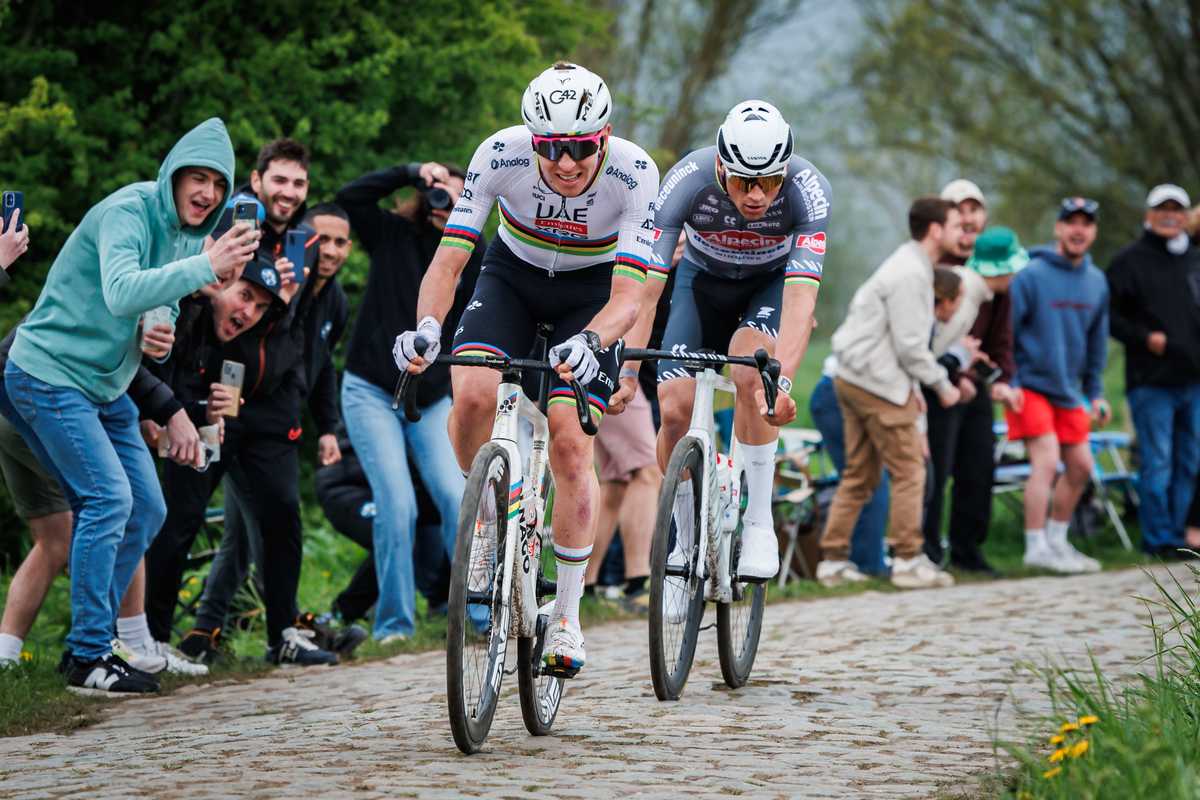
Route choices made by organisers anchored each race to a geography and a style. The Monuments are tied to distinct terrains that shape tactics and rider types: northern cobbles for races like the Tour of Flanders and Paris–Roubaix, coastal and often long finish traditions at Milan–San Remo, and the hilly, punchy terrain of Liège–Bastogne–Liège and Il Lombardia. Grand Tours used long-ranging routes and mountain stages to frame national geographies and athletic narratives. Over time organisers deliberately used routes to emphasize local features and challenge different rider archetypes, reinforcing each race’s sporting identity.
ORGANISERS, CITIES, AND INSTITUTIONS
Organisers, municipal partners and national institutions helped convert races into media events and cultural displays. The official archives kept by some organisers document how editions and rankings were presented to the public, while other events were used to promote regional heritage. For example, Grand Tours have been used strategically to present national or regional identity—route framing and centenary editions of a Grand Tour have been explicitly used to highlight a country’s regions. These institutional choices shaped calendars, sponsorship models and how cities invested in hosting stages or start/finish towns.
DEFINING EDITIONS AND HISTORIC MOMENTS
Certain editions or route decisions function as turning points because they altered perception or practice. Organisers’ deliberate route framing—for instance when a Grand Tour uses a centenary edition to highlight national geography—recasts the race as a cultural narrative as well as a sporting contest. Likewise, choices to include or emphasise cobbled sectors, decisive mountain passes or symbolic start/finish locations have repeatedly changed how teams prepare and how media tell the story of an edition. These strategic edits to routes and formats are among the clearest levers organisers used to evolve a race’s identity.
LEGENDS, WINNERS, AND REPEAT PATTERNS
While this article avoids listing individual winners, the pattern of repeat success in both Grand Tours and Monuments helped establish rider archetypes—climbers and GC specialists on Grand Tours; "flandrien"-type riders in the cobbled Classics; sprinters at certain one-day races. Those repeat patterns reinforced team structures and training priorities: teams built rosters and season plans to target specific events, and sponsors measured value through repeated high-profile successes. Over time, these patterns produced cultural labels and expectations attached to particular races.
INTERRUPTIONS, CHANGES, AND MODERN TRANSITIONS
Across the 20th and 21st centuries organisers adapted race formats, calendars and marketing in response to professionalisation and internationalisation. Grand Tours and Monuments influenced this process by setting prestige benchmarks—media coverage, prize structures and calendar position—that other races aimed to emulate. Changes in route logic, such as introducing decisive mountain stages or reviving traditional sectors, show how organisers balance historical continuity with modern sporting demands. These transitions reflect broader shifts: increased commercialisation, international broadcasting and evolving team tactics.
WHAT THE RACE MEANS TODAY
Today the legacy of Grand Tours and Monuments is visible across professional cycling: the calendar itself, the specialization of riders, the seasonality of team goals and the cultural codes that define how fans and regions interpret success. Academic and journalistic work documents how certain races became entwined with regional identities—for example, studies linking the Tour of Flanders and similar classics to Flemish cultural narratives. More broadly, the combined history of these events shows how sporting formats, route decisions and organiser strategies produced a sport where place, endurance and tradition remain central.
Author: Cynthia D.