How the Vuelta a España Forged Its Own Identity: Mountains, Heat and a…
The Vuelta a España began in 1935 and, after decades of interruptions and uneven calendars, has become one of cycling's three Grand Tours. This article explains how the race's identity was shaped by key historical transitions: its early intermittent history, a decisive calendar move to late season, the introduction of brutally steep climbs, the persistent challenge of heat, and modern branding and route choices that made the Vuelta distinct.
Summary
This piece traces the Vuelta's long arc: early interruptions, the 1995 calendar move that relocated the race to late summer/early autumn, the strategic use of steep mountain finishes such as the Alto de l'Angliru, the recurrent factor of extreme heat, and recent branding and internationalisation efforts that have clarified its personality.
HOW THE RACE BEGAN
The Vuelta a España first took place in 1935. Its early decades were not continuous: political and economic upheaval in mid‑20th century Spain produced intermittent editions and an uneven development compared with other long‑established stage races. These formative years left the Vuelta with a history shaped as much by interruptions as by sporting stories.
EARLY IDENTITY AND FIRST ERAS
Because the race did not run uninterrupted through the mid‑1900s, its identity in the first half of the century was fluid. The interruptions slowed the emergence of a single, stable public image, but they also meant that later organisational choices could reframe the race as Spain recovered politically and economically. By the late 20th century the Vuelta was ready for a clearer, more deliberate path to modernity.
CALENDAR MOVE AND MODERN TIMING
A pivotal structural change came in 1995, when the Vuelta was moved from its previous spring slot to the late summer / early autumn period, typically in September. That calendar shift repositioned the race within the international season: it came after the Giro d'Italia and the Tour de France and normally before the World Championships. The late‑season slot altered competitive dynamics, rider form cycles and media attention, and it was a turning point in defining the Vuelta's sporting context.
ROUTE LOGIC AND TERRAIN IDENTITY
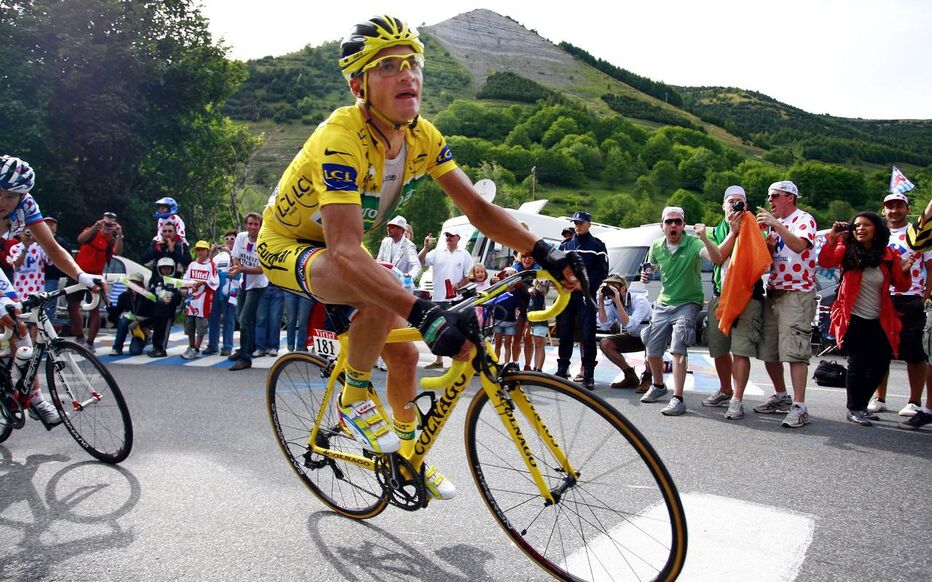
Organisers used route design as an instrument to craft a specific character for the race. Since the 1990s, the Vuelta has emphasised steep, selective climbs and dramatic mountain finishes as decisive race-builders. The introduction of brutally steep ascents — most famously the Alto de l'Angliru, first used in 1999 — signalled a willingness to create stages that produce large time gaps and dramatic narratives of reversal and comeback. Such choices made climbing performance central to the Vuelta's sporting identity.
HEAT AND LATE‑SEASON CONDITIONS
The late‑season timing has another concrete effect: riders often face very high temperatures, especially on stages in southern Spain and during early late‑summer editions. Heat alters tactics, recovery and team management; it has become one of the race's recurring operational and sporting considerations and a key reason the Vuelta feels different from spring and midsummer Grand Tours.

BRANDING, ORGANISERS, AND INTERNATIONALISATION
In recent decades organisers have made deliberate branding and format choices to separate the Vuelta from the Giro and the Tour. Changes such as leader‑jersey updates and route programming are part of an effort to build a distinctive image. Alongside branding, the race has pursued international visibility through foreign starts and varied opening locations, using route geography to craft narratives and broaden its profile abroad.
DEFINING EDITIONS AND HISTORIC MOMENTS
Certain editions and innovations stand out as narrative anchors for the Vuelta's modern identity. The adoption of steep, decisive climbs in the late 1990s — exemplified by the first use of the Alto de l'Angliru — is one such turning point. Another is the calendar move of 1995: together these structural and route choices changed how the race is raced and perceived, creating moments that emphasise comeback stories and high‑intensity mountain drama.
WHAT THE RACE MEANS TODAY
Today the Vuelta is recognised as a late‑season Grand Tour with a distinct personality. Its combination of steep, often unforgiving climbs, hot conditions, and a calendar position that tests riders at a different point in their annual planning gives the race a unique role in the cycling calendar. Organisers continue to refine route choices and branding to reinforce that identity, while international starts and varied itineraries underline the Vuelta's desire to be both a national institution and an event with global reach.
Quick takeaways
- Founded in 1935 but interrupted in mid‑century, the Vuelta matured later than some peers.
- The 1995 move to late season is the race's major calendar turning point.
- Steep climbs like the Alto de l'Angliru and extreme heat helped define its modern personality.
Author: Alex R.