How Milan–San Remo built a unique identity: length, tactical waiting and an…
Milan–San Remo, first held on 14 April 1907, is a singular monument in professional cycling. Known as "La Classicissima" and "La Primavera," it arrives early in the season and has long stood apart because of its extraordinary distance and a finale that riders and fans can recognise instantly.
Summary
This article explains how Milan–San Remo developed a distinct race identity through its founding as an ultra-long one-day event, key route additions (notably the Poggio in 1960 and the Cipressa in 1982), and repeated tactical patterns centring on a late, compact finish into Via Roma in Sanremo.
HOW THE RACE BEGAN
Milan–San Remo first took place on 14 April 1907 as a one-day race from Milan to the Ligurian coast at Sanremo. From its origin it was conceived as a long-distance test linking the industrial north to the Mediterranean, and it quickly occupied the calendar as an important early-season event.
EARLY IDENTITY AND FIRST ERAS
In its early decades the race was dominated by endurance: editions approached the 300 km mark and the long distance was a defining characteristic. Geographical features such as the Passo del Turchino had symbolic and sporting importance in the race's early history, although their decisive role changed as professional racing evolved. Through the mid-20th century the route and the sheer length framed Milan–San Remo as both a test of stamina and a tactical opportunity for different types of riders.
ROUTE LOGIC AND TERRAIN IDENTITY
Milan–San Remo is by far the longest one-day professional race on the modern UCI calendar, typically around 298–305 km. That length shapes the sport on race day: teams and riders must manage energy across an unusually long distance, making the final sequence of terrain decisive. The race finishes on Via Roma in Sanremo, a longstanding and recognisable finish that anchors the route's identity.
DEFINING EDITIONS AND HISTORIC MOMENTS
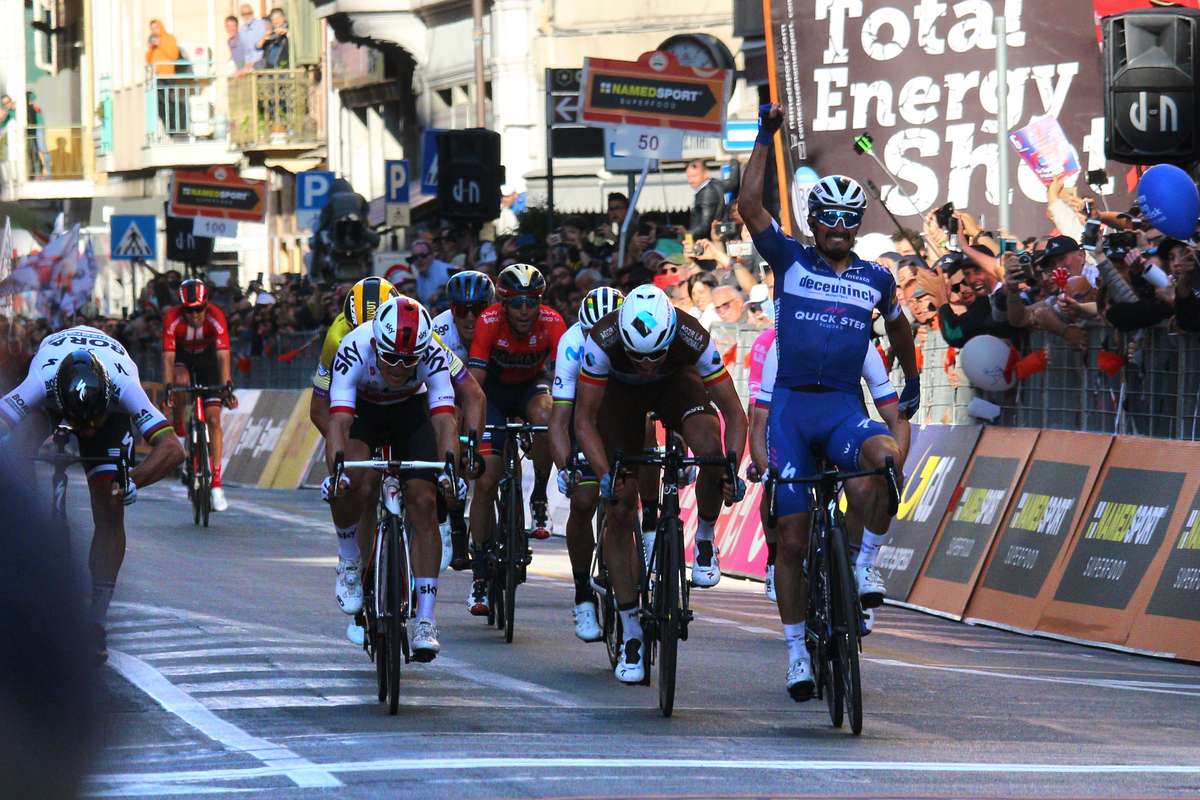
Two specific route changes helped define the modern character of Milan–San Remo. The Poggio was introduced in 1960 and the Cipressa was added in 1982; these additions created a compact, televised finale where short, punchy climbs sit within the last dozen kilometres. With the Poggio summit located roughly 7 km from Via Roma and followed by a technical descent, the sequence made late attacks feasible and created repeatable tactical scenarios that shaped how the race was contested and narrated.
What readers will learn
- Why extreme distance matters to race tactics.
- How Poggio and Cipressa changed the finale.
- Why the Via Roma finish is central to the race's identity.
ORGANISERS, CITIES, AND INSTITUTIONS
Organisers have used route modifications to influence the race outcome. Over time they added or removed climbs and sometimes changed start locations to calibrate difficulty and to encourage either bunch sprints or decisive late attacks. These deliberate choices kept Milan–San Remo relevant as both a sporting contest and a media event, while maintaining the connection between Milan as a traditional start area and Sanremo as the coastal finish.
INTERRUPTIONS, CHANGES, AND MODERN TRANSITIONS
While the race has a long continuity, organisers continue to tweak the course: additions like the Manie in 1988 and more recent route announcements show an ongoing effort to balance the chances of sprinters and attackers. Modern editions typically confirm the ultra-long distance near 300 km and the Cipressa–Poggio closing sequence, preserving the strategic waiting game that characterises the event.
WHAT THE RACE MEANS TODAY
Today Milan–San Remo remains the first major classic of the spring, carrying the dual identity of an endurance monument and a tactical finale. Its extraordinary length forces a race of conservation and calculation; the Cipressa and Poggio concentrate decision-making into the final kilometres, and the run to Via Roma provides an instantly recognisable finish. Those combined elements explain why Milan–San Remo continues to hold a special place in the history of the classics: it is a race that tests both distance management and late-race racecraft in a single, dramatic day.
Author: Eric M.