Why Major Cycling Events Deserve Full Editorial Guides: Calendar, Profile and…
Major annual cycling events — from the spring Monuments to three-week Grand Tours — are more than dates on a calendar. Their position in the season, distinctive routes and predictable tactical motifs create stories that benefit from a full editorial treatment.
What this guide does
This article explains why editors should move beyond short previews and instead produce rich guides that place key cycling events in the season, unpack sporting profiles, and map the stories each race reliably generates.
Reader preview
- How calendar placement shapes meaning and preparation
- Why route features define tactical expectations
- Which races act as form indicators for others
WHERE THIS EDITION SITS IN THE CALENDAR
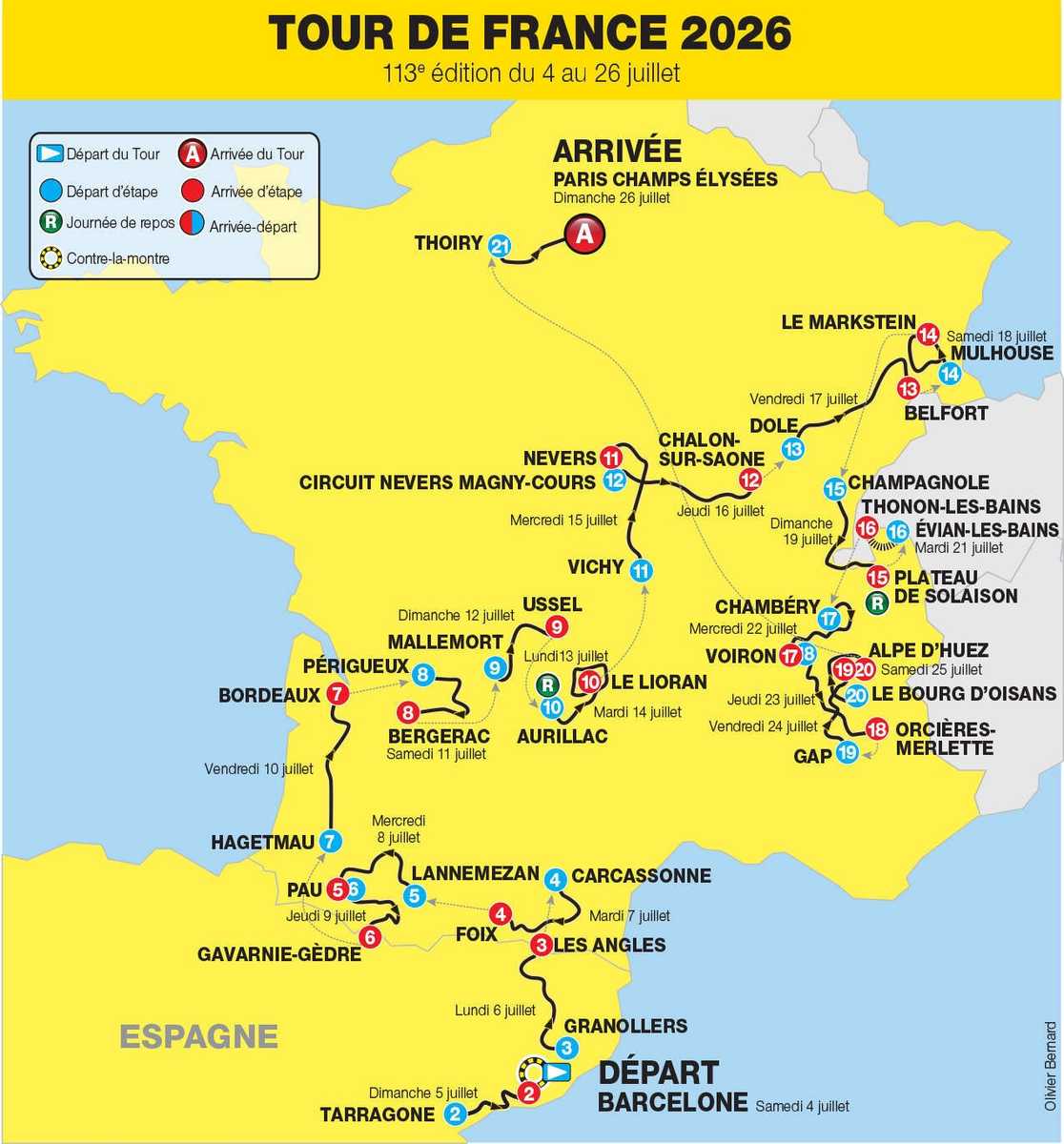
Understanding a race’s calendar slot is the first step in any editorial framing. The Tour de France, for example, is the season’s premium objective: a three-week Grand Tour traditionally held in July and widely viewed as the most prestigious stage race on the calendar. Week-long stage races such as Paris–Nice, Tirreno–Adriatico, Critérium du Dauphiné and Tour de Suisse occupy critical positions as preparation races or form indicators, each with a profile that hints at which riders are building toward bigger goals.
DATES, HOST LOCATIONS, AND EVENT SHAPE
Editors should summarise the basic shape of an event without inventing precise undisclosed details. Some events are single-day tests — Strade Bianche, for example, is a one-day WorldTour race in early March around Tuscany — and other events are long Monuments such as Milan–San Remo, a late-March one-day race that is unusually long for a classic. The Tour de France is a multi-week Grand Tour and therefore requires a different editorial approach focused on stage variety, cumulative effort and team depth rather than a single decisive finish.
ROUTE DESIGN AND SPORTING PROFILE
Route identity is the core of a race’s sporting expectation. Strade Bianche is defined by its significant sectors of unpaved white roads and a steep finishing climb into Siena’s Piazza del Campo; those features make it a selective one-day race where bike handling and positioning on gravel shape the story. Milan–San Remo’s extraordinary length (around 290–300 km in typical editions) plus the Cipressa and Poggio climbs near the finish create a tactical duel between sprinters’ teams and late attackers. Paris–Roubaix’s cobbled sectors and velodrome finish create mechanical attrition and dramatic unpredictability, which naturally demand tactical analysis in any preview.
TEAMS, RIDERS, AND START LIST STORYLINES
Reliable editorial work makes clear what is known and what is not. For many events, full start lists and last‑minute entries are confirmed only by official race communications. Editors should therefore outline expected team strategies based on the race profile and known season targets — for example, treating week-long races as form checks for Grand Tours or as preparation for the Monuments — and avoid inventing specific entries when not confirmed.

WHAT MAY DECIDE THE RACE
Each event has a short list of variables that usually decide outcomes and thus deserve emphasis. For gravel-heavy Strade Bianche, terrain and position before narrow sectors are decisive factors. Milan–San Remo often comes down to whether teams can control the race through the Cipressa and Poggio or whether late attacks succeed. In Paris–Roubaix, equipment choices, mechanical luck and cobble navigation are central editorial beats. For stage races like the Tour de France or key week-long events, time trials, summit finishes and the sequencing of mountain blocks determine overall narratives.
RECENT CONTEXT AND DEFENDING STORYLINES
Good previews place the current edition against recent trends without inventing specifics. Editors should highlight persistent patterns — such as which races have recently favoured aggressive late-attack wins, or how certain events have become indicators of wider season form — and explain how those patterns shape expectations for the edition being covered. Where precise recent winners or edition results are relevant, use verified official reports.
PRACTICAL VIEWER GUIDE
A quality guide also helps the fan know what to watch for: decisive sectors or climbs, likely race kilometres when the action will intensify, and which supporting races act as previews. Paris–Nice, Tirreno–Adriatico, Critérium du Dauphiné and Tour de Suisse are practical examples of races that act as preparation or indicators for later objectives; highlighting their differing profiles (time trials, summit finishes, mixed terrain) gives readers a roadmap for interpreting performances across the season.
WHY THIS YEAR’S EDITION FEELS IMPORTANT
Editors should close a guide by explaining the edition’s potential significance: whether the route tweaks create new tactical opportunities, or whether the race’s calendar role elevates its importance for particular riders or teams. Events with unique route features — Strade Bianche’s gravel, Milan–San Remo’s length and final climbs, Paris–Roubaix’s cobbles, and the Tour de France’s three‑week scale — provide natural narrative frames that justify deep editorial treatment each season.
Quick editorial checklist
When producing a full guide, include calendar context, clear description of route-defining features, the tactical variables readers should watch, and how this race connects to other events in the season.
Author: Alex R.