How the Tour of Flanders Forged Its Identity: Bergs, Pavé and a Passionate…
The Tour of Flanders (Ronde van Vlaanderen) stands among cycling’s most distinctive one-day races because of a precise combination of terrain, local devotion and layered narratives. First run on 25 May 1913 and created by sports journalist Karel Van Wijnendaele for the newspaper Sportwereld, the Ronde has been shaped as much by its short steep climbs and cobbled roads as by the communities that line them.
What this piece explains
This article explains how the race began, how its route and terrain forged a sporting identity, why fans and towns react to route changes, and how institutions now curate the Ronde’s history.
HOW THE RACE BEGAN
The Ronde van Vlaanderen was inaugurated on 25 May 1913. Its origin is rooted in regional sports journalism: Karel Van Wijnendaele created the race for the Flemish newspaper Sportwereld. From the outset the event was framed as a Flemish sporting occasion, a one-day test tied to place and community rather than a generic international spectacle.
EARLY IDENTITY AND FIRST ERAS
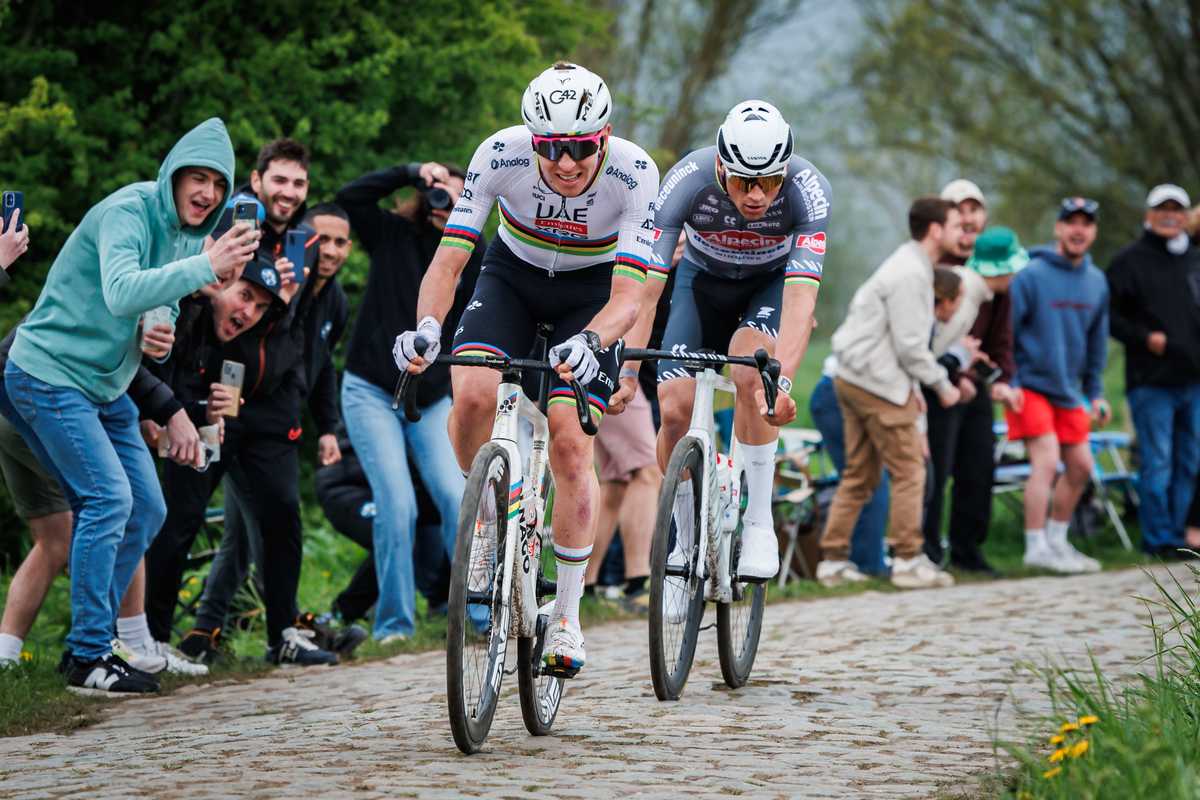
Early editions established the template that would later become mythic: a brutal one-day contest over roads that were then—and in many places remain—narrow, often paved with cobbles, and punctuated by short, steep hills. That terrain favoured a specific type of racing and rider and quickly distinguished the Ronde from flatter classics and long mountain tests. Over the decades, particular climbs took on extra narrative weight as sites where races were won or lost.
ROUTE LOGIC AND TERRAIN IDENTITY
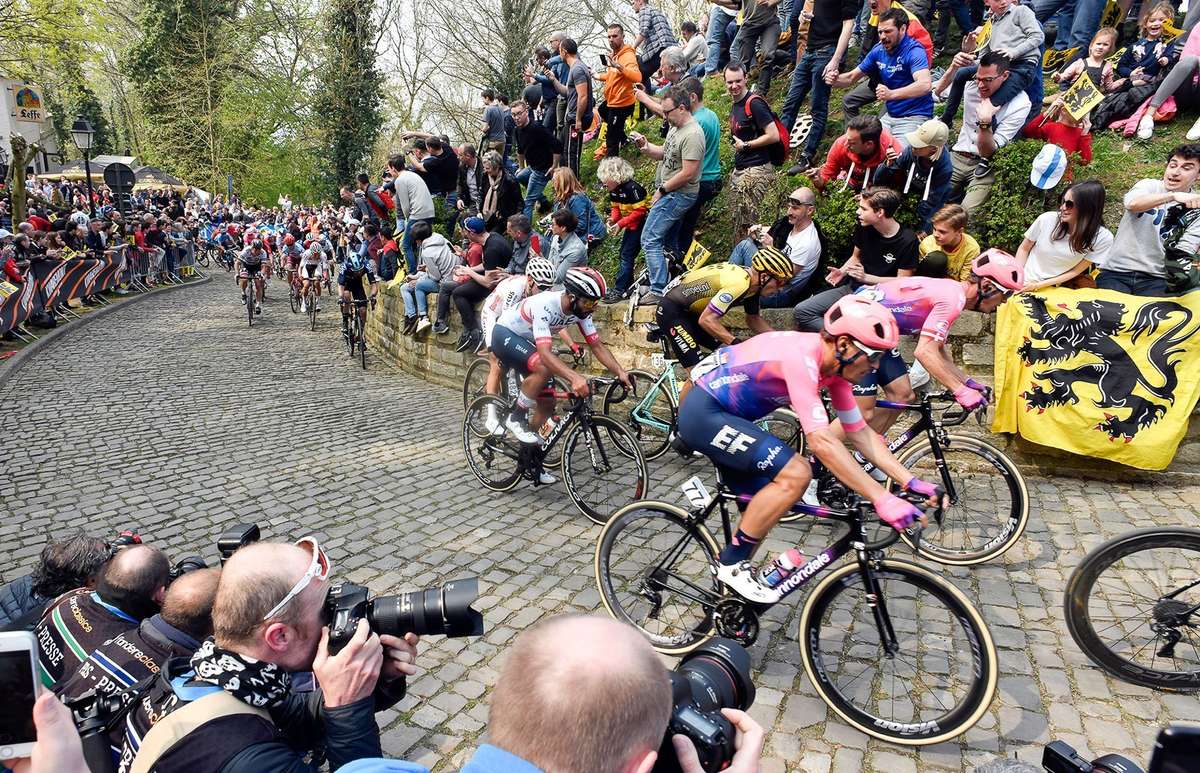
Short, sharp climbs known locally as 'bergs' and stretches of cobbled road ('pavé') are central to the Ronde’s identity and reputation for toughness. Climbs such as the Koppenberg, Oude Kwaremont, Paterberg and the Muur van Geraardsbergen have become shorthand for the race itself. The combination of gradients, narrowness and cobbles concentrates selection into decisive moments: the bergs are not long mountain passes but violent, tactical distortions in a race where positioning, momentum and the ability to ride over pavé define winners.
ORGANISERS, CITIES, AND INSTITUTIONS
Over time the organisation and promotion of the race moved into institutional hands. Today Flanders Classics curates and promotes the Ronde, publishing official roadbooks and route details for each edition. The race’s history and cultural role are interpreted at the Centrum Ronde van Vlaanderen (Tour of Flanders Centre) in Oudenaarde, which frames the event as a living piece of Flemish heritage.
DEFINING EDITIONS AND HISTORIC MOMENTS
Certain climbs and editions have accrued disproportionate symbolic power. The Koppenberg, with its steep, narrow cobbles, is often recalled for the way it tests machines and riders alike; the Muur van Geraardsbergen has a long legacy as a launchpad for decisive attacks; and the Oude Kwaremont and Paterberg pair became focal points for modern finales. These specific places are muscled into race narratives because they reliably create drama and selection—turning local geography into international storytelling.
INTERRUPTIONS, CHANGES, AND MODERN TRANSITIONS
Across the decades the Ronde’s route has not been static. Climbs have been removed and reintroduced, and the finish location has moved at times. Such changes are politically and culturally significant: towns and fans treat the race as part of local identity, so route decisions provoke public debate. The Ronde’s organisers publish official route documents and technical roadbooks, reflecting an ongoing tension between preserving heritage and adapting the race for contemporary sport and logistics.
WHAT THE RACE MEANS TODAY
Today the Tour of Flanders remains an anchor of the Flemish spring calendar. Its identity depends on a triple bond: the unique terrain of bergs and pavé that defines sporting tactics; a public culture that lines lanes, climbs and towns in huge numbers; and institutional custodians—organisers and the Tour of Flanders Centre—that preserve and interpret its story. The Ronde’s distinctiveness lies in how these elements combine to transform local geography into recurring international drama.
CONCLUSION
The history of the Tour of Flanders shows how a race can be built from landscape and community as much as from competition. Founded in 1913 by Karel Van Wijnendaele and Sportwereld, the Ronde grew into a race whose bergs and cobbles create a specific form of one-day warfare, whose towns and spectators treat each edition as shared heritage, and whose organisers and museum now steward that heritage for future editions. The result is a cycling event whose identity is instantly recognisable: not simply a race to win, but a place to be fought over and remembered.
Author: William L.