How UCI cycling rules shape team strategy and season objectives
The UCI regulatory framework—race classifications, points scales, team registration and licence rules, and operational limits—does more than set the rules of the road. It changes how teams build squads, prioritise races and allocate resources across a season. This article explains the sporting mechanics behind those regulations and what they mean for on-road tactics and season objectives.
Quick summary
The UCI assigns races to categories (WorldTour, ProSeries, .1/.2) and ties points scales and invitations to those classifications. Teams chase points to secure licences and guaranteed invitations; regulatory changes to points and team registration force tactical and roster adjustments across the season.
WHAT KIND OF RACE THIS IS
UCI race classifications determine sporting value. WorldTour events carry the most points and the highest status; ProSeries and .1/.2 races offer progressively fewer points. That hierarchy creates a clear incentive structure: higher-class races are primary targets for teams seeking ranking points, while lower-category races are opportunities for development, stage hunting or regional visibility.
RULES, CLASSIFICATIONS, AND TIMING
The UCI defines how many points are awarded at each race and for stages or placings. Recent regulatory changes have adjusted points allocation—broadening who scores and adding more stage points—so teams must reassess which results are worth pursuing. Team rankings are used as sporting criteria for licences and invitations: strong ranking positions can secure WorldTour licences or guaranteed invitations for ProTeams to major events, including Grand Tours.
TEAM TACTICS AND RIDER ROLES
Because points feed licences and invitations, ProTeams in particular structure rosters and race schedules around accumulative scoring. That translates into concrete sporting choices: send classics specialists to high-point one-day events, deploy GC contenders and strong support in stage races that award deep points, or target stage wins that now reward more stage points under the revised scales. Operational limits set by the UCI—such as maximum riders per team at different race types and medical and safety obligations—also force teams to prioritise which riders travel to which events and how many domestiques accompany leaders.
HOW A RACE DAY OR RACE WEEK UNFOLDS
Across a season, UCI calendars and classifications determine where teams allocate effort. A race week in a WorldTour event may demand full-strength squads because of the high points available and media exposure. By contrast, lower-category events allow teams to rotate younger riders or specialists. The calendar approval and invitation guarantees published by the UCI mean that teams aiming for guaranteed access will plan season-long campaigns to maximise ranking points, balancing peak form with attendance commitments enforced by licence and registration rules.
TERRAIN, WEATHER, AND DECISION POINTS
Although the UCI does not set terrain, its rules affect race composition and therefore tactical choices. Because deeper placings and stage points have higher value in the updated points scales, teams may commit stronger squads to intermediate stages or terrain that suits their points-hungry riders. When points are available for many placings, teams have incentives to control finishes even on transitional days rather than save effort only for marquee stages.
FEEDING, ENERGY, AND PHYSICAL MANAGEMENT
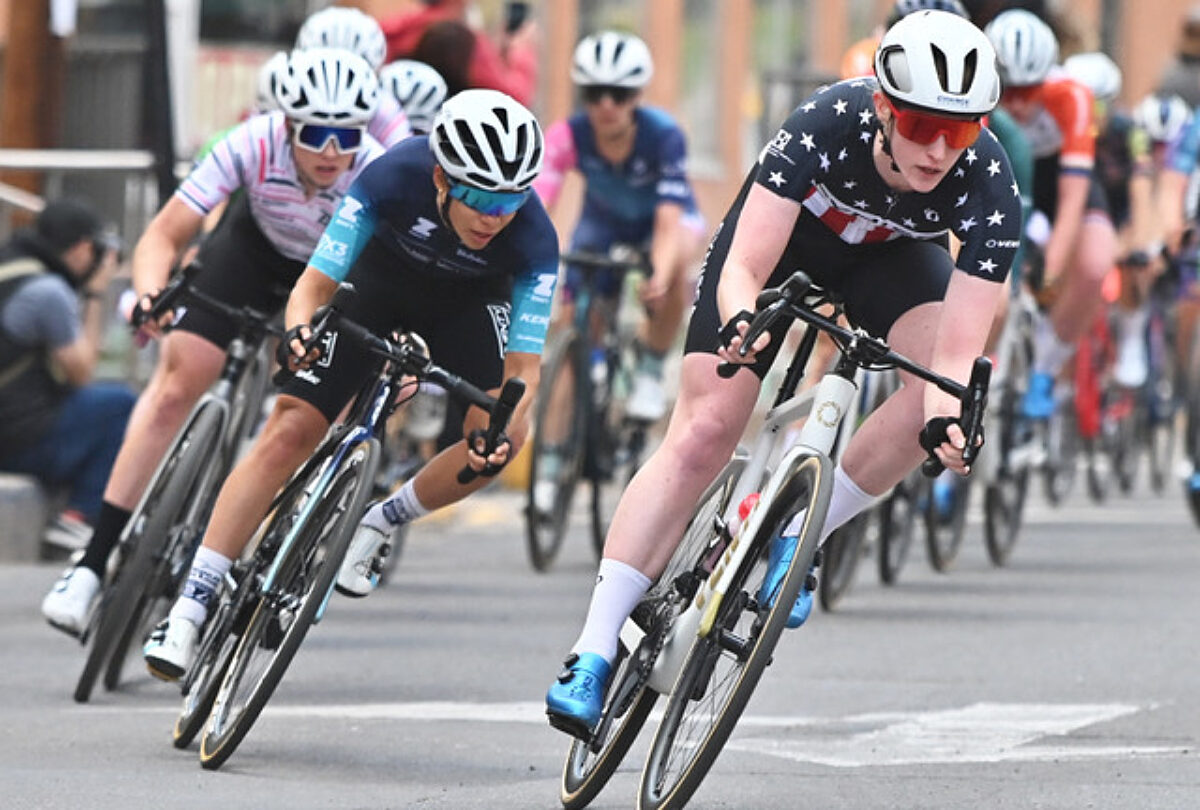
Operational regulations such as team size limits and mandatory medical provisions influence how teams manage energy over a season. With fewer rider slots at specific races or compressed schedules between high-value events, teams must decide where to allocate their best domestiques and which leaders to protect. Those choices affect in-race feeding and rotation patterns: when a team brings a reduced support group, leaders absorb more workload and teams alter feeding plans and rotation to preserve energy for targeted points-earning opportunities.
WHAT FANS SHOULD WATCH FOR
Fans who want to read tactics should look beyond isolated stage results. Watch which teams consistently enter high-class races and where they deploy their top riders—those patterns reveal seasons built around ranking points and guaranteed invitations. Notice when ProTeams target stage points or deep placings at WorldTour races rather than overall victories: that reflects a strategic choice to accumulate ranking points. Also observe squad sizes and rider selection at individual events—UCI operational limits and registration obligations often explain seemingly conservative team lists.
WHY THIS RACE WORKS THE WAY IT DOES
The UCI framework ties competitive incentives to administrative outcomes. Points feed licences and invitations; licence and registration rules create obligations and budgetary constraints; and recent changes—such as expanded points depth, more stage points and forthcoming cross-discipline scoring—shift the value of different kinds of results. The result is a sporting ecosystem where teams must balance short-term race wins, stage hunting and rider development against long-term goals like securing licences, guaranteed invitations and financial compliance.
Takeaway
Author: William L.