How a Race Racing Bike Becomes a Tactical Tool in Road Racing
In professional road racing the bicycle is not just an isolated piece of technology: it is a tactical instrument that teams and riders tune to serve a precise race scenario. This article explains how equipment choices, bike setup and in-race formations turn the "race racing bike" into a tool used to create, protect or deny race opportunities.
Quick summary
The bike and its setup change aerodynamic drag, control and comfort; teams deploy specific equipment and front-riding formations to force splits, protect leaders or power breakaways. Understanding these links reveals why gear choices matter for race outcomes.
WHAT KIND OF RACE THIS IS
The focus here is on road races and stage races where teams, domestiques and leaders operate together across varied terrain and weather. In that environment the race racing bike is chosen and configured to support tactical plans: maximizing aero advantage on exposed sections, offering stability in crosswinds, or favouring power and handling for long sustained efforts.
RULES, CLASSIFICATIONS, AND TIMING
Rather than listing event-specific classifications, consider the practical constraints that shape tactical bike use: timing gaps matter, so formations and equipment that produce splits (and therefore time losses) are decisive. Teams select setups that improve riders' ability to sustain speeds when the road or wind invites aggressive moves; conversely, equipment that improves shelter and efficiency helps protect a leader and limit time losses.
HOW A RACE DAY OR RACE WEEK UNFOLDS
Across a single day or a stage within a race week, directors decide when to ask riders to commit to tempo, when to protect a rider and when to sacrifice domestiques. Those decisions are executed through who rides the front, how the paceline is organised and which bikes are chosen for particular stages (for example, more aero-oriented setups on exposed plains). The bike becomes a planned variable in the directeur sportif's scenario.
TEAM TACTICS AND RIDER ROLES
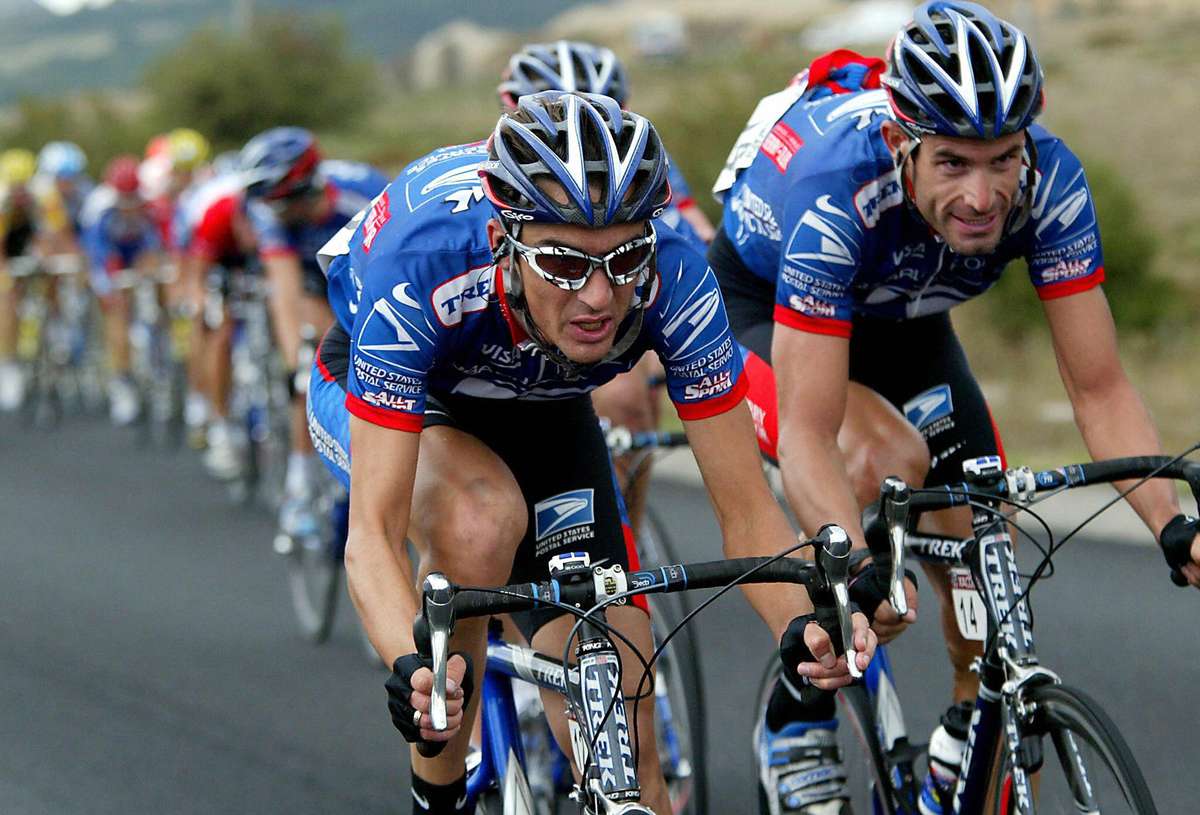
Teams choreograph tactics: deciding when to chase, who to send in a breakaway, and which riders must be sheltered. The verified research shows that front riding and positioning are central tactical levers; domestiques and road captains use bike position to control gaps. That control is amplified or limited by bike choices — aerodynamic setups allow stronger riders to maintain higher sustained speeds at lower energy cost, making them better suited to driving a break or forming echelons.
TERRAIN, WEATHER, AND DECISION POINTS
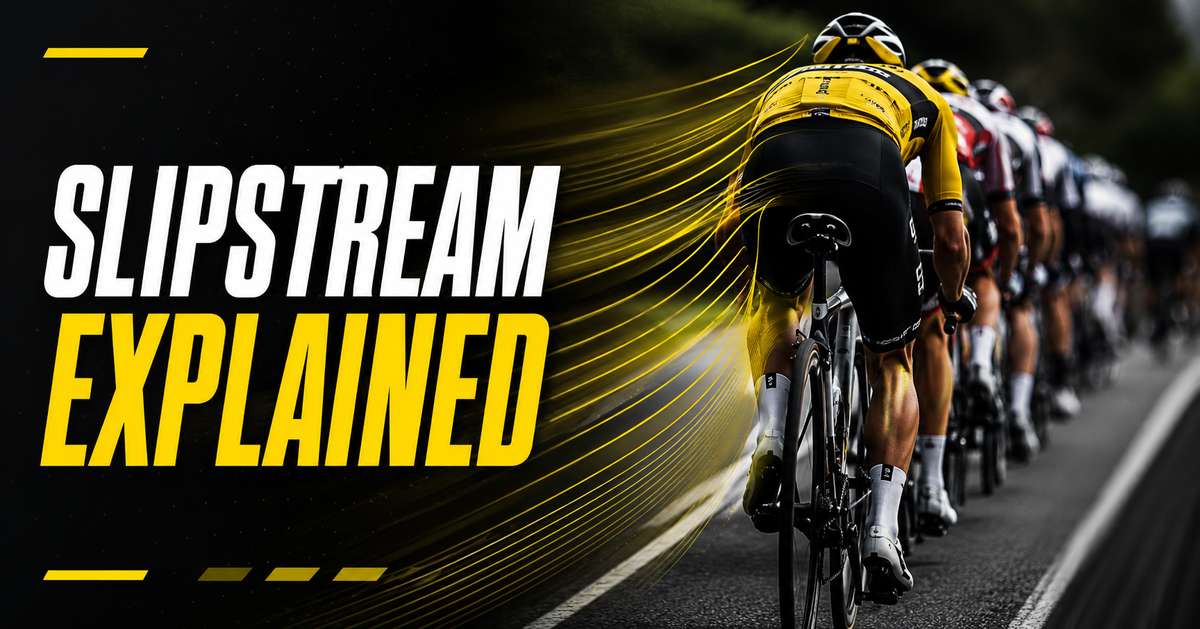
Crosswinds are a concrete example where bike use and formations interact as tactics. In exposed crosswind sections teams deliberately position strong riders on the front to create echelons; a coordinated paced line forces riders into diagonal shelter and can split the peloton, producing time losses for those left in the gutter. Equipment and setup choices — stability-focused geometry, wheel selection and rider position — affect how effectively a rider can hold a pace at the front in such conditions.
FEEDING, ENERGY, AND PHYSICAL MANAGEMENT
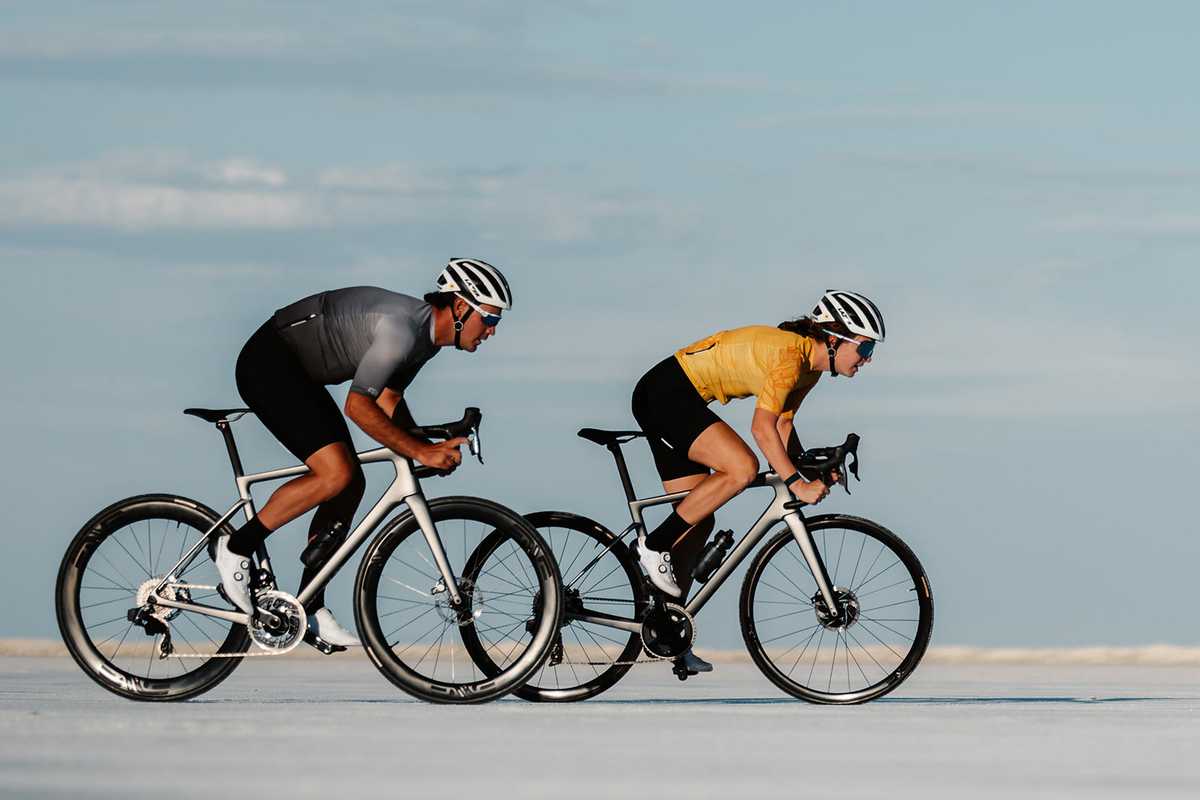
While feeding and energy management are largely physiological and procedural, bike choices change the energy cost of sustaining a tactical role. Aerodynamic frames, wheels and rider positions reduce drag and therefore lower the power required to keep a break or an echelon together. Teams use wind-tunnel and CFD testing to select setups that will make their domestiques and leaders more efficient when asked to deliver sustained power at critical moments.
WHAT FANS SHOULD WATCH FOR
Watch which teams bring aggressive front riders into wind-exposed sections, how long they can hold a high-tempo paceline, and which riders change bikes or wheelsets before decisive terrain. Notice the formation on the road: a shallow diagonal line is an echelon in formation and often precedes a split. Also observe equipment cues — time-trial geometry or more aero-oriented rigs on certain stages signal a plan to use the bike for solo or high-power efforts.
WHY THIS RACE WORKS THE WAY IT DOES
The verified evidence ties together aerodynamic science, tactical choreography and formation mechanics. Equipment choices change drag and power needs; road captains and directors convert those advantages into race moves by assigning who rides at the front, when to push and when to protect. Crosswinds, in particular, turn the race racing bike from a comfort or speed tool into a weapon: the right setup plus coordinated front riding produces echelons that create real time gaps and reshape the contest.
Key takeaways
- Bike setup is a tactical decision, selected for the stage scenario.
- Echelons and sustained pacelines use positioned riders to force splits.
- Wind-tunnel and aerodynamic testing underpin equipment choices that save energy and enable tactical moves.
Author: Alex R.