Pro cycling bikes: the intelligent compromise between speed, control and…
The modern pro racing bicycle used in the Tour de France is not an abstract object of pure performance. It is an engineered compromise between three interdependent objectives: speed (aerodynamic efficiency), control (predictable handling and braking), and endurance (comfort, rolling behaviour and durability). Teams, designers and riders make deliberate choices—shaped by UCI rules and real-world stage conditions—that prioritize different parts of that triad depending on terrain, wind and the cumulative stress of a three-week race.
FIRST READING OF THE BIKE
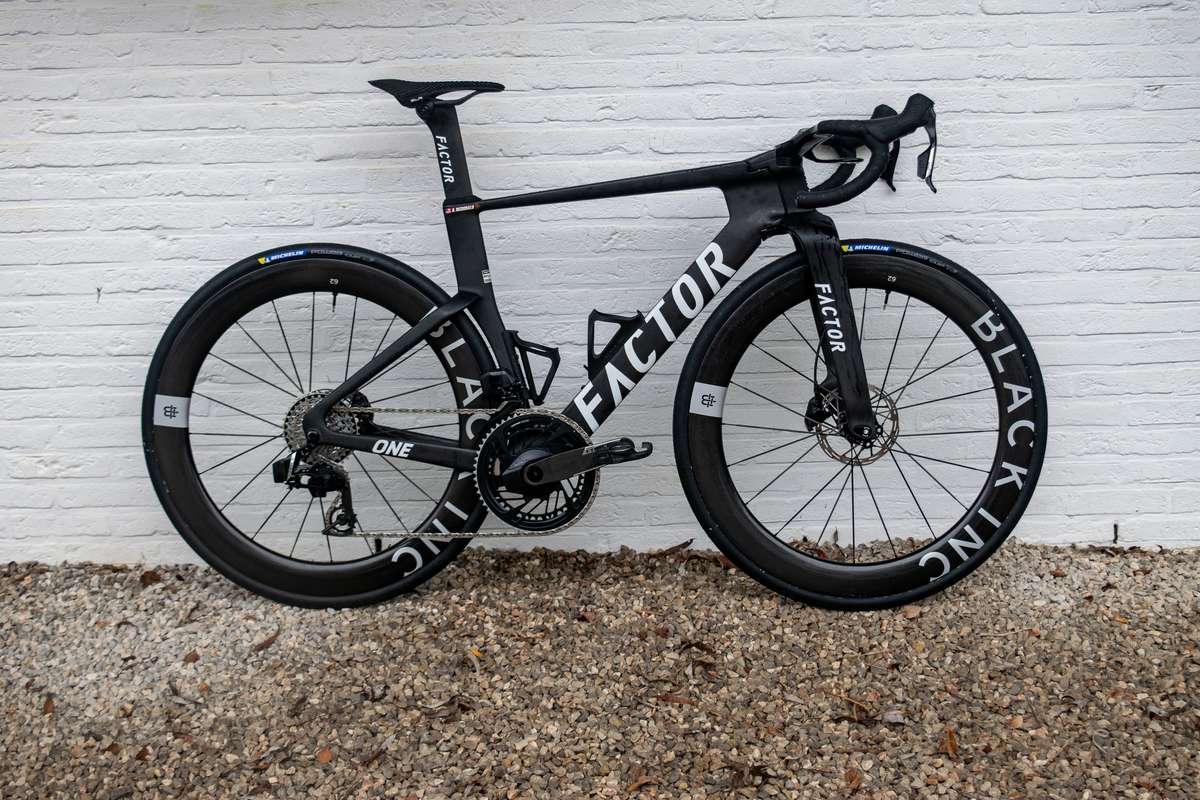
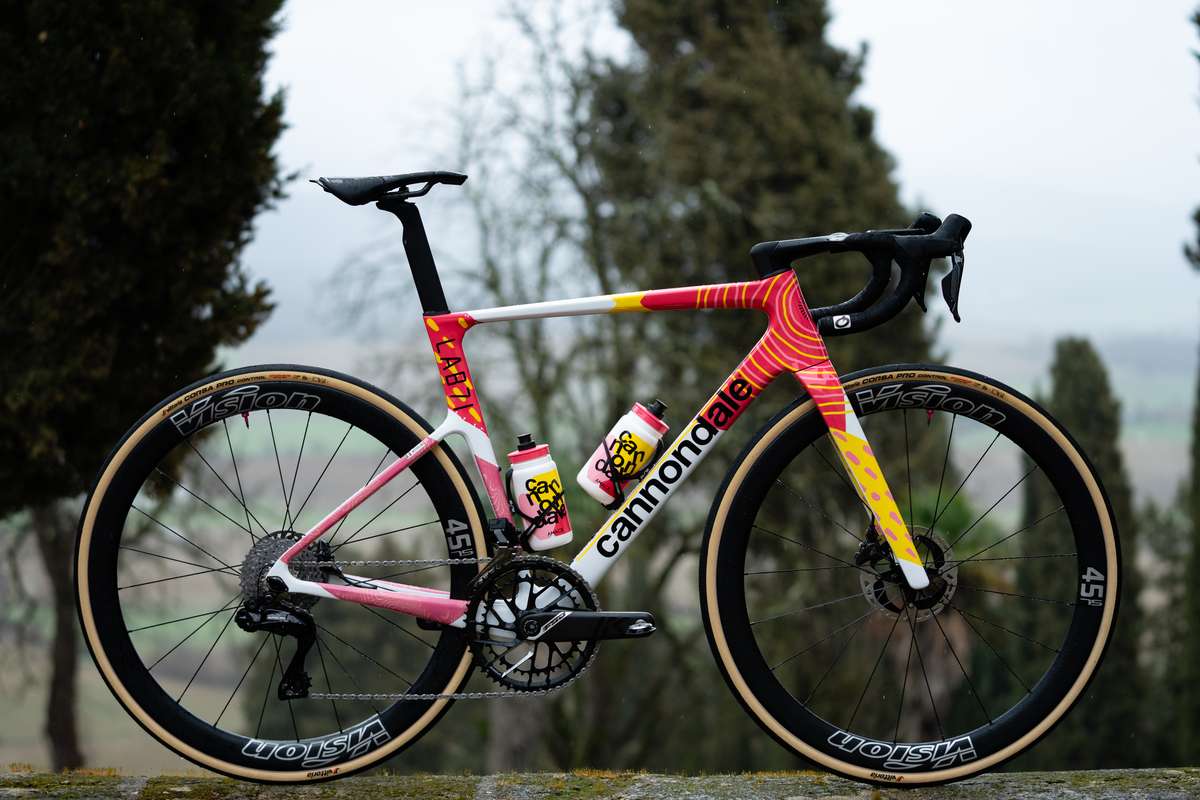
At first glance a pro race bike communicates intent. Bulky, sculpted tube shapes and deep-section wheels signal an aero bias; slim tubes and lighter componentry point toward climbing intent. But appearances mask constraints and compromises. The UCI enforces a minimum bike weight (6.8 kilograms) that prevents unlimited lightening and forces designers to trade mass savings against aerodynamics and structural reliability. Teams therefore present multiple race-legal configurations across a Tour—each reflecting an explicit balance between speed, control and endurance.
FRAME LOGIC, WEIGHT, AND STIFFNESS
Frame design encodes the fundamental compromise. A frame trimmed for aerodynamic performance uses shaping, integration and targeted material distribution to reduce drag; a climbing-focused frame leans toward lower mass and sometimes greater compliance. Because the UCI minimum weight is non-negotiable, teams cannot simply chase the lowest possible weight at the expense of aerodynamics or durability. Instead, the platform choice reflects what the bike must do most often during a stage or across the race.
Stiffness is similarly a compromise. Lateral stiffness supports efficient power transfer and a crisp acceleration feel—valuable in attacks, sprints and hard climbs—while vertical compliance reduces vibrational losses and rider fatigue on rough roads. Pro bikes therefore land on a middle ground: enough stiffness to transmit power and control acceleration, but targeted compliance where vibration would sap energy over hours in the saddle.
AERODYNAMICS AND FREE SPEED
Aerodynamic drag dominates resistive forces at high racing speeds and has outsized effects on stage outcome. Wind-tunnel and field testing show that well-optimised frames, wheels and rider position produce measurable time savings—minutes across long flat stages—so aero design often trumps small weight savings on fast terrain. But maximizing aero performance creates trade-offs: integrated shapes and deep-section wheels can introduce handling challenges, and aero gains lose their relative importance on steep, slow climbs where gravity dominates.
Designers and teams therefore manage aero gains within the constraints of crosswind stability and rider predictability. An aero-focused setup chosen for a flat or transitional stage will often be swapped for a lighter or more compliant option when the race heads into sustained climbing or highly variable wind conditions.
CLIMBING RESPONSE AND ACCELERATION FEEL
When the road tilts upward the balance shifts. Gravity and power-to-weight dominate, making lighter frames and components attractive. Yet empirical and industry reporting show that teams frequently carry aero-optimised options for rolling stages because aerodynamic efficiency remains decisive on many parcours. Climbing-focused choices improve sustained climbing and make accelerations feel livelier, but teams accept that these choices may cost marginal time on long fast flats where aero matters more.
Acceleration feel is therefore a behavioral outcome of the platform: lateral stiffness, contact points and gearing determine how immediate a rider feels under attack or when launching out of a corner. Teams tune those attributes stage by stage rather than assuming a single 'best' bike for every situation.
WHEELS, TYRES, BRAKES, AND ROAD CONTACT
The interface between bike and road drives endurance and control decisions. Tire selection, pressure and rolling resistance interact with road roughness to create vibrational power loss and rider fatigue; greater compliance in tyre or frame reduces those losses. Similarly, wheel depth trade-offs balance aero savings against crosswind stability—deeper rims cut drag but can produce stronger lateral forces and yaw moments that degrade handling in gusty conditions. Wind-tunnel work and lab studies confirm these trade-offs and inform wheel choices for specific stages.
Braking systems and their modulation also factor into control. Teams choose braking packages that offer predictable deceleration and heat management under sustained descents and heavy use; in the race environment, confidence in braking affects descending speed and positioning, which are race-critical even if not directly measurable in wind-tunnel gains.
GEARING, FIT, AND RIDER INTERACTION
Gearing and rider fit turn a platform into a usable tool. Transmission choices reflect stage profiles: lower ratios for sustained climbs, tighter steps for punchy attacks and sprint leadouts. Rider position trades aerodynamic frontal area against muscular and respiratory efficiency; a more aggressive aero tuck reduces drag but increases muscular load and potential fatigue. Teams and riders therefore calibrate fit to balance in-stage performance versus three-week survivability, mindful that small position changes can alter both aero benefit and comfort over long stages.
UCI equipment rules and the need for commercially available, race-legal parts further shape these choices. Teams operate inside these constraints and still aim to extract the best compromise for each race day.
TOUR CONTEXT AND EQUIPMENT COMPROMISE
Across a three-week Grand Tour the cumulative cost of poor choices compounds. An aero advantage on a single flat stage can save minutes, but repeated exposure to vibration, unpredictable handling in crosswinds, or an ill-suited gear spread will erode performance and increase fatigue. Professional teams therefore select different bikes and setups for climbing versus flat or time-trial stages—an approach documented in industry reporting and team practice. That practical staging of equipment recognises that the ’best’ bike is contextual, not absolute.
Regulatory constraints—especially the UCI minimum weight requirement and the need to use approved, commercially available parts—mean that manufacturers must deliver race-ready platforms that are compromise-aware. The result is a set of race-legal bikes and components that balance aerodynamic efficiency, handling predictability and long-distance comfort rather than pursuing any single metric to the exclusion of others.
WHY THIS BIKE MATTERS
Understanding the pro racing bike as an intelligent compromise reframes equipment debates. The critical question for teams and riders is not which bike is objectively fastest in isolation, but which configuration produces the best net outcome across stage conditions, wind environments and the cumulative fatigue of a Grand Tour. Empirical testing—wind tunnel data, rolling-resistance measurement and road modelling of vibration losses—supports this plural view: aero matters hugely on fast terrain; weight and compliance matter on climbs and rough roads; handling and braking matter wherever control affects safety and speed.
Seen this way, the bike used at the Tour de France is a practical answer to conflicting demands. It is an assemblage of choices that make sense only when judged against the realities of three-week stage racing: a continual negotiation between free speed, predictable control and enduring comfort.
Author: Alex R.