What Defines a True Tour de France Race Bike: Technical Identity and Race…
The Tour de France is a three-week test that forces a bike’s design choices into the open. A genuine Tour race bike is not just a tidy showroom geometry or a marketing label: it is a production race platform adapted by teams to meet the UCI rules, rider needs and the relentless mix of flats, climbs and descents. This article describes how frame philosophy, aerodynamics, stiffness, wheels, tyres, gearing and braking interplay in real race conditions — and why those compromises matter across an entire stage.
FIRST READING OF THE BIKE
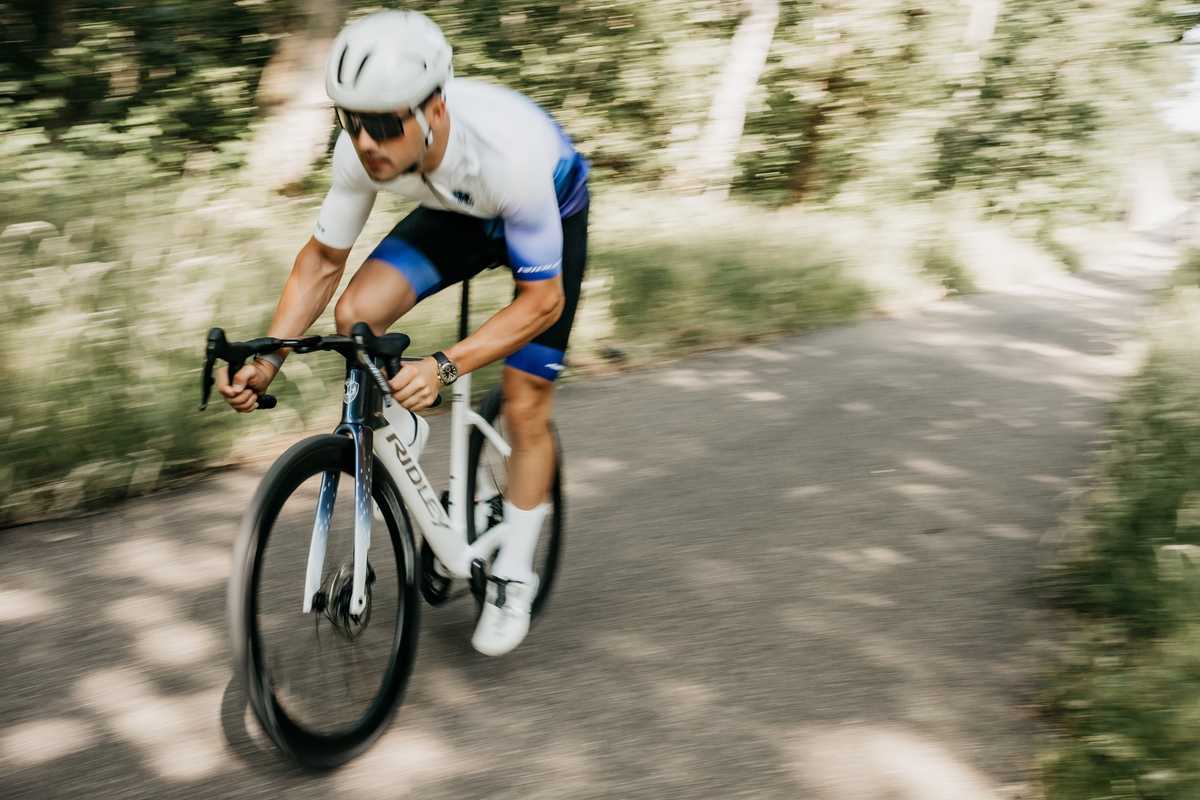
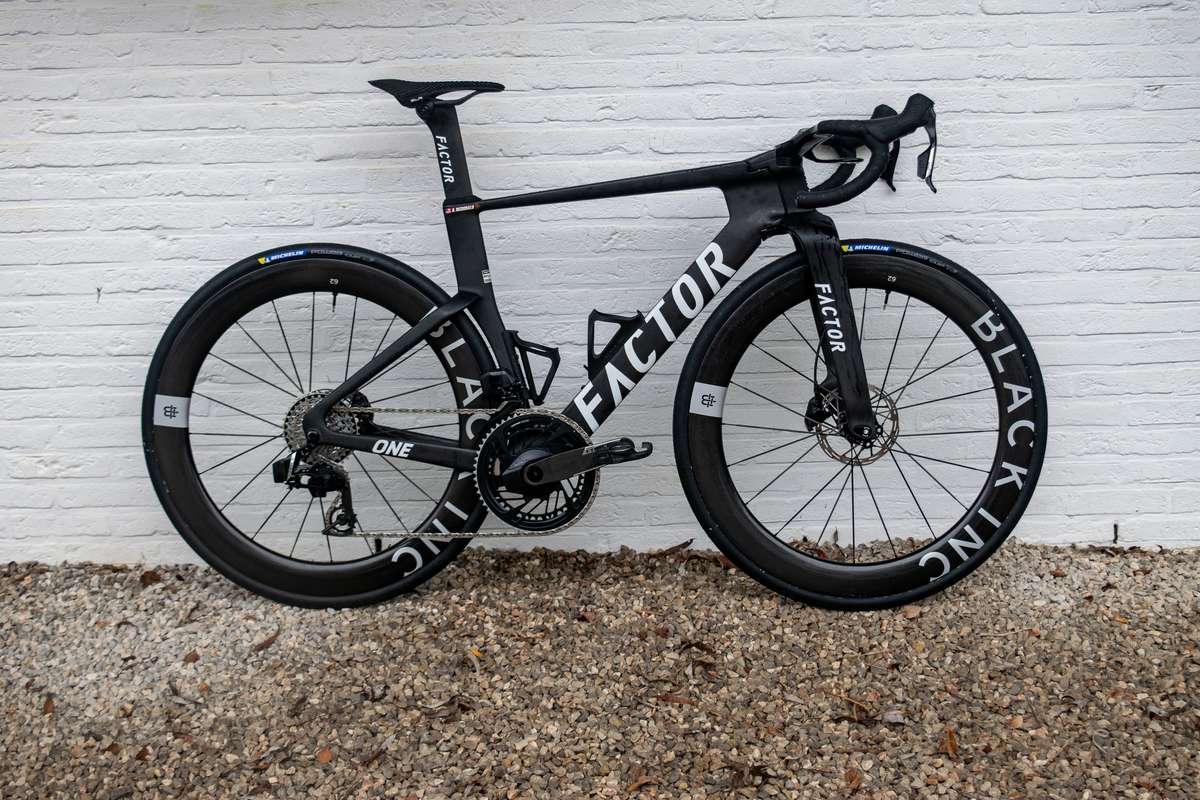
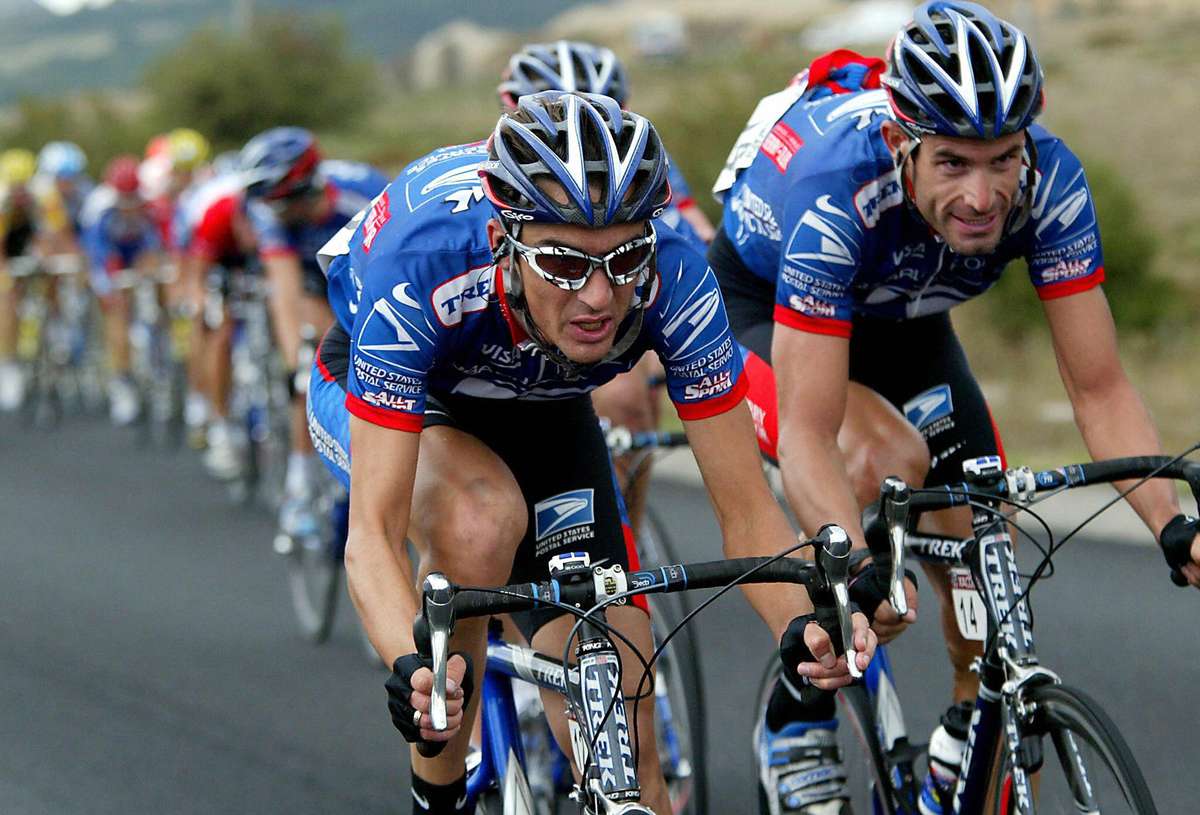
When you first see a pro-level race bike at the Tour, you are looking at a production model that has been adapted by the team. The peloton runs contemporary high-end models from established manufacturers, fitted with team-specific builds (frames, groupsets and wheels). The visible identity — compact or aggressive geometry, integrated cockpit, deep or shallow wheels — is the shorthand for the bike’s intended race role: a lighter, more open-platform bike signals climbing intent; a more integrated, aero-forward shape points toward flat speed and time saved on rolling terrain.
FRAME LOGIC, WEIGHT, AND STIFFNESS
Two immutable constraints shape frame design in the pro field. First, the UCI minimum weight rule limits how light a race bike can be; the bike must not be lighter than 6.8 kilograms. Second, production race frames used by teams are developed to balance stiffness and comfort. Stiffness around the bottom bracket and headtube improves power transfer for accelerations and relaunches: a stiffer crank/BB assembly translates rider input into forward motion with less loss. The trade-off is clear — excess stiffness can increase rider fatigue, while added compliance soothes vibration but can soften acceleration. Teams therefore select frames and layups that aim to retain crisp power delivery without compromising the rider over long stages.
AERODYNAMICS AND FREE SPEED
Aero solutions reduce drag on flats and rolling terrain and deliver measurable energy savings during sustained efforts. Production race bikes in the pro peloton often favor aerodynamic frame and wheel profiles where those savings matter. Yet aero-forward designs typically carry penalties: increased mass or reduced compliance compared with pure climbing frames. The practical choice for a Tour team is to fit an aero-capable production platform while tuning components and setup so the bike remains usable on climbs and over varied stages.
CLIMBING RESPONSE AND ACCELERATION FEEL
Climbing performance in the Tour is primarily a system-level measure: rider plus bike. Lighter frames and wheelsets make a difference on steep gradients, but they must coexist with enough stiffness to preserve efficient power transfer when riders surge. A bike that accelerates crisply on rolling terrain or out of corners will typically have reinforced BB and head areas; that same reinforcement can slightly raise mass. The tactical implication is simple: teams favour platforms that let riders accelerate and relaunch decisively while keeping total system weight and comfort within the constraints of multi-day racing.
Aero Road Profile
WHEELS, TYRES, BRAKES, AND ROAD CONTACT
Where the machine meets the road matters more than any paint job. Wheel and tyre selection are critical for descents, rolling stability and stage robustness. Pro teams choose strong, well-built wheelsets and wider, puncture-resistant tyres run at pressures that balance rolling resistance with grip and comfort. Braking systems likewise influence control: modern race setups used in the Tour combine stopping power and modulation that matter on technical descents and in high-speed sprints. The overall logic is to prioritise wheel and tyre combinations that improve cornering stability, reduce puncture risk over a stage, and deliver predictable braking under load.
GEARING, FIT, AND RIDER INTERACTION
Groupset choice shapes ergonomics, weight management and service architecture rather than altering the laws of physics. Pro-level groupsets from Shimano, SRAM and Campagnolo offer small weight and functional differences between top-tier and second-tier kits, but all achieve the same mechanical purpose. Teams fit production frames with groupsets and gearing chosen to match rider size, climbing capacity and stage profiles. Rider fit and posture remain decisive: an effective position allows sustained power on flats, efficient climbing posture and a handle on descending confidence. The rider-platform integration — stem length, stack, reach and cockpit setup — is as important as any single component choice.
TOUR CONTEXT AND EQUIPMENT COMPROMISE
The three-week nature of the Tour forces conservative, pragmatic decisions. Manufacturers and teams present iterative updates to frames, fork integration and wheel compatibility, but the bikes in the race are production models tuned for the peloton. Equipment choices therefore reflect compromise: enough aero to save watts on flats, sufficient lightness and compliant features for climbs and endurance, robust wheels and tyres for stage durability, and reliable groupsets for consistent shifting. Reliability and serviceability over repeated stages often outweigh the smallest marginal gains that might be attractive in a single-day scenario.
WHY THIS BIKE MATTERS
Understanding a true Tour race bike is understanding the set of compromises that make it resilient across varied terrain. The platform a team chooses reveals strategic priorities — whether to chase aero efficiency, preserve climbing agility, or maximise everyday durability. In practice, the pro peloton rides production race bikes adapted and optimised for the riders and stages, always within regulatory limits and with an eye to balancing stiffness, compliance, aerodynamics and robustness. That balance is what defines a bike that can survive 21 stages and still allow the rider to perform when it counts.
This article concentrated on race-use logic: frame philosophy, the climbing versus aero trade-off, stiffness and compliance, wheel and tyre strategy, gearing and groupset implications, braking and rider fit — all through the lens of Tour-level demands and UCI constraints.
Author: Eric M.
Share this page
Further reading
Continue exploring this topic
Discover related articles selected automatically from the same site.