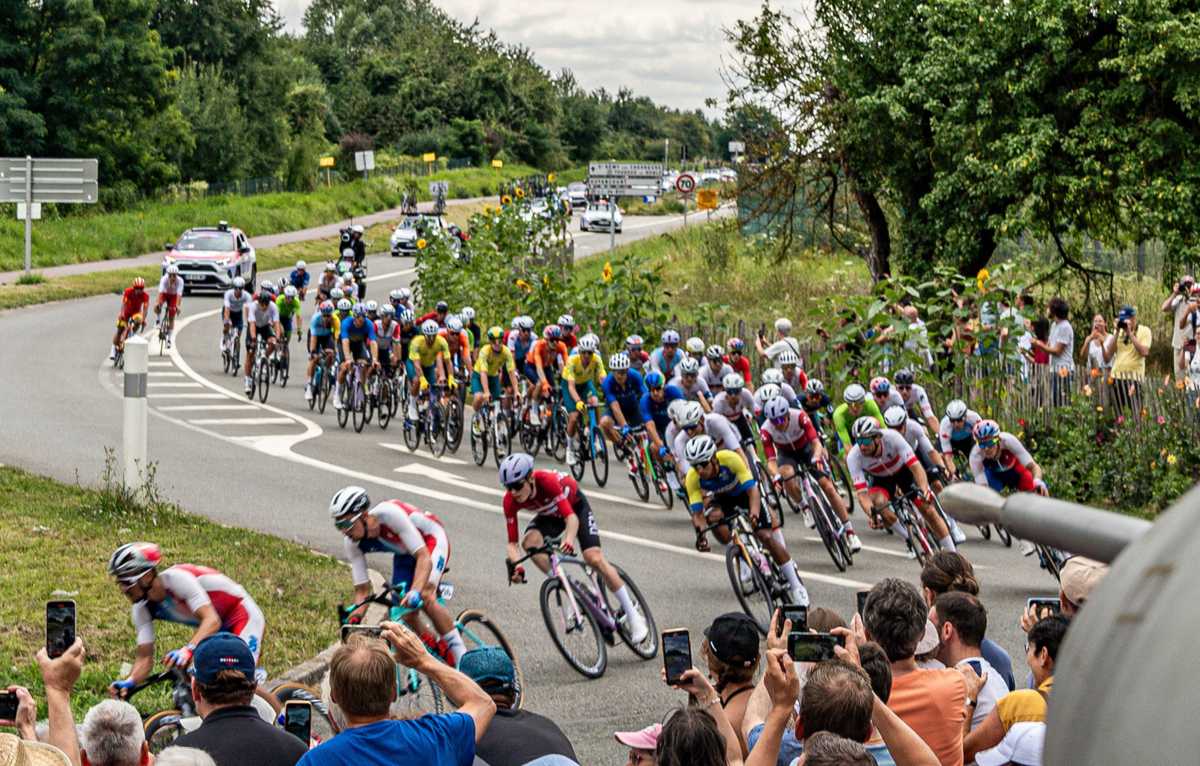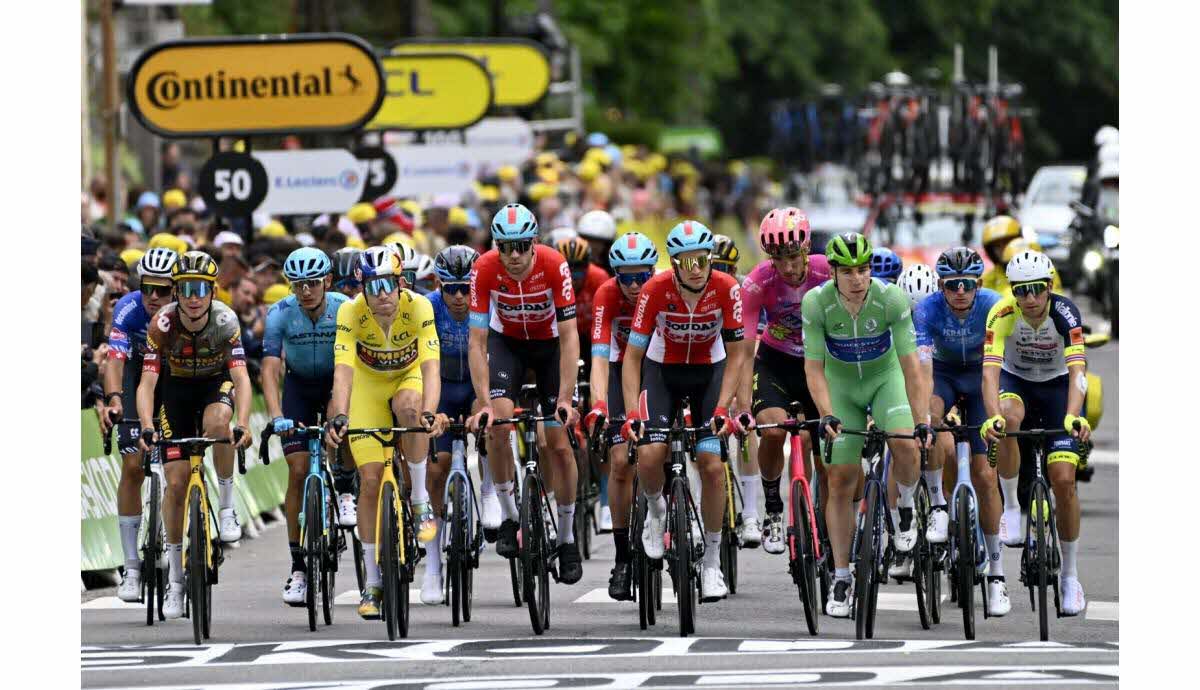
Cycle race today: How to read a Tour de France stage and interpret the race…
When you search "cycle race today" you usually want an instant, usable read: how hard is the stage, will it end in a bunch sprint, a successful long-range escape or a GC battle? The reliable way to turn that curiosity into an expert interpretation is to start with the organiser’s facts. The Tour de France official site publishes a dedicated page for every stage that includes the stage date, total kilometres, the labelled stage type (flat / hilly / mountain / ITT / TTT), an elevation/profile graphic, lists of categorized climbs and intermediate points, and expected average-speed guidance (for example, some stage pages show 39 / 41 / 43 km/h). Those numbers and labels are your factual skeleton: use them first, then apply the tactical checklist race analysts use.
FIRST READING OF THE STAGE
The quickest, most actionable read comes from a short list of items on the official stage page and the roadbook. Before you commit to a viewing plan, note the stage date and total km, the official stage-type label, the elevation/profile graphic and the list of categorized climbs with their km markers. The organiser also provides a 'final 5 km' mini-profile and expected average-speed bands. Christian Prudhomme’s stage previews and ASO roadbook comments are explicitly used to flag days that favour certain scripts: for example, the Dole > Belfort preview posted October 23, 2025 uses the organiser’s language to say the stage “favours breakaway specialists”.
- Quick checklist: stage date, total km, stage type, categorized climbs (and km markers), final 5 km profile, intermediate sprints and the organiser’s average-speed guidance.
- Practical example from official material: the Tour's Stage 6 page for the 2026 route lists a 186 km mountain stage and shows expected average-speed guidance as 39 / 41 / 43 km/h (the route page scheduled Stage 6 for Thu 09 July 2026).
RHYTHM, SEQUENCE, AND ENERGY FLOW
Once you have the headline numbers, read the profile for sequence: are climbs clustered early, repeated mid-stage, or is there a single late test? The official elevation/profile and the organiser’s expected-speed guidance together give a sense of tempo. Stage-type labels matter: pure flat stages are commonly controlled by sprinter teams, hilly stages are more open and invite reduced sprints or successful escapes, and mountain stages typically see GC teams impose a hard tempo. Use the expected average-speed bands as a sanity check on how fast the peloton is likely to travel and therefore how much work a chase requires.
CLIMBS, GRADIENTS, AND SELECTION POINTS
Climbs are the obvious filters. Race-analysis is clear that late climbs and uphill finishes increase the chance a breakaway survives: the roadbook lists climb category, length and gradients where relevant and marks the km to the summit and to the finish. Those numeric markers are useful for two operational reads. First, they identify when repeated efforts will sap cooperation in a break. Second, they let you judge whether GC teams will be tempted to push the pace. Remember also that the Tour’s time limit is not arbitrary: the roadbook assigns a stage difficulty coefficient (1–6) and the stage winner’s average speed determines the applicable percentage allowance. Specialist explainers (for example CyclingNews’ time-cut feature, updated 1 July 2025) publish the coefficient-to-percentage tables and worked examples to help followers translate organiser numbers into finishing deadlines.
DESCENTS, TECHNICAL ROADS, AND ROAD FEEL
The same elevation/profile graphic that shows climbs also reveals descents and the technical character of the finish. The 'final 5 km' profile printed on official pages is especially valuable: a wide, straight finale is a different tactical problem to a narrow, twisting approach. Technical roads alter chase arithmetic and can favour a small, organised group or a skilful late attacker. That final mini-profile is the single most important snippet for judging whether a bunch sprint is straightforward or whether the finale will reward opportunists.
WIND, EXPOSURE, AND PELOTON FRAGILITY
Route geometry and exposure are the other, often-hidden selectors. Crosswinds are a well-documented mechanism for sudden splits: echelons reduce drafting benefit, limit how many riders can shelter and can create instant time gaps that teams exploit. Both popular explainers and academic treatments describe how exposed, long plateau sections or coastal legs can be decisive even on ostensibly flat days. When you read a stage, pair the official course map with a weather check to judge the chance that wind — not gradient — will shape the outcome.
BREAKAWAY, GC, OR SPRINT?
Which race script the stage invites comes down to the combination of stage label, the profile’s late geometry and the game of team priorities. Race-analysis and stage reports identify the observable factors that determine whether a break will succeed: the break’s size and cooperation, whether sprinter teams or teams with an interest in a bunch finish have riders in the move, the terrain (late climbs or uphill finishes help), the distance left, and the weather. Team priorities are decisive: sprinter teams commonly take responsibility for control on flat days, hilly stages tend to be left more open and mountain days are where GC teams usually set a hard tempo. Organiser previews and roadbook notes (themselves used by broadcasters and analysts) explicitly flag which stages are expected to be open — that organiser signal is practical intelligence, not prophecy.
HISTORY, MEMORY, AND STAGE LEGACY
It is tempting to rely on an overall statistic — how many stages are won from a long-range break? — but the verified material shows no single, authoritative aggregate figure across recent Tours. Aggregated win-rate figures vary by source and edition and a single definitive percentage was not located in the available organiser and analysis material. Instead, use the roadbook and specialist stage analyses to connect route numbers to likely outcomes: site previews, broadcaster notes and post-stage analyses are where the organiser’s raw data meets how the race actually unfolded.
WHY THIS STAGE MATTERS
Turning a 'cycle race today' search into an expert live read is a short, repeatable process. Start at the official stage page and the roadbook: record the stage date, total km, stage type, categorized climbs and km markers, the final 5 km profile, intermediate sprints and the organiser’s expected average-speed guidance. Check the roadbook for the stage difficulty coefficient (used with winner average speed to compute the time cut — see CyclingNews’ explainer, among others) and keep GT sprint-zone protections in mind for chaotic finales. Read the organiser’s preview to understand the intended script (ASO’s previews are explicitly used to say when a day 'favours breakaway specialists' — see the Dole > Belfort preview from October 23, 2025). Finally, combine those facts with a map/weather check to assess crosswind risk and, on race day, watch the breakaway’s composition: if sprinter teams or major interests are represented the peloton’s appetite to chase will fall. That factual sequence—official data first, organiser signal second, then the tactical checklist of team priorities, weather and breakaway composition—turns an instant search into a genuinely expert reading of the probable scenarios and what to watch for as the stage unfolds.
Author: Eric M.