Breakaway vs Peloton: How Energy, Tactics and the Chase Shape Road Racing
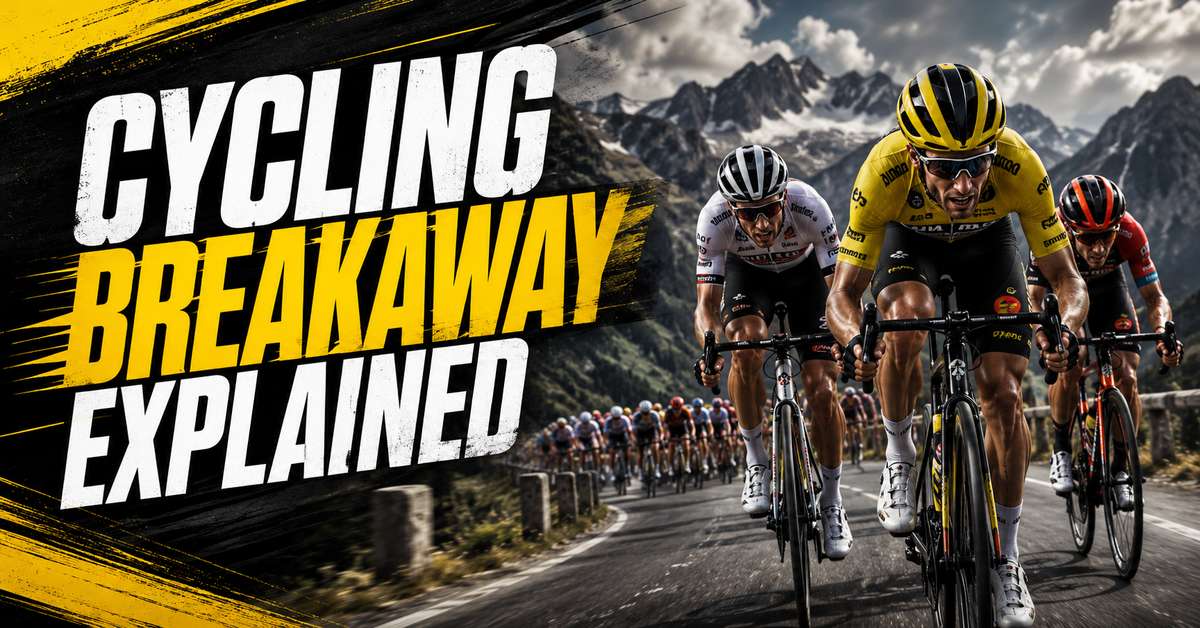
The contest between a breakaway and the peloton is one of road cycling's most persistent narratives: a small group or solo rider pushes ahead while the main bunch decides whether, how and when to respond. Understanding the energy maths, the tactical incentives and the terrain triggers makes it easier to read a stage and to see why the chase often defines the final result.
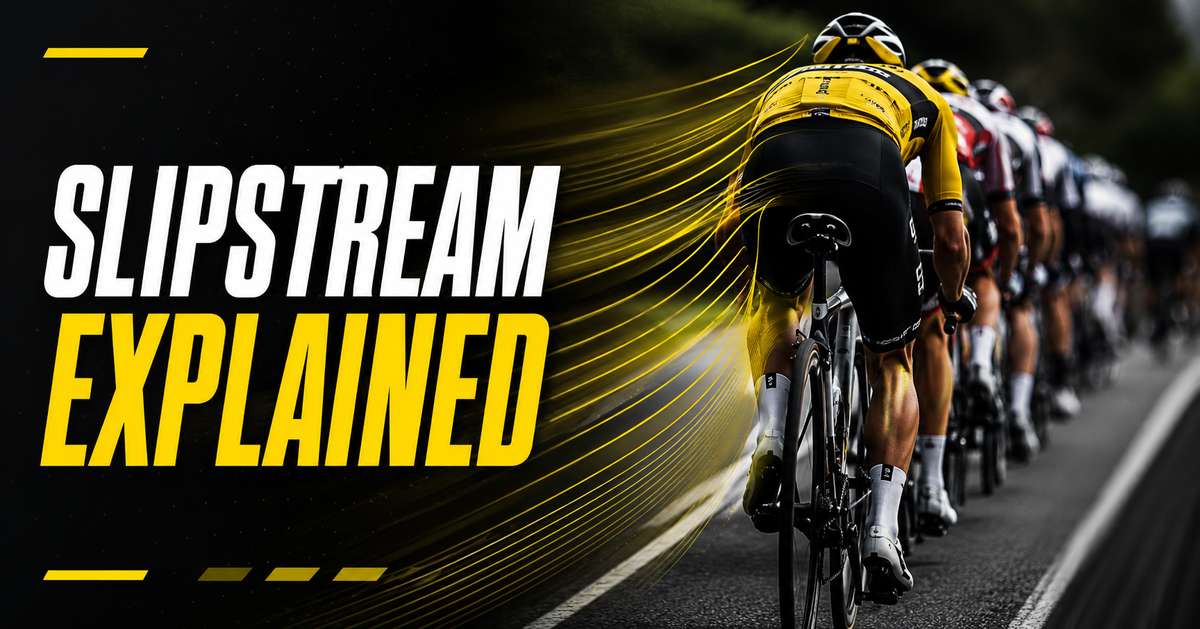
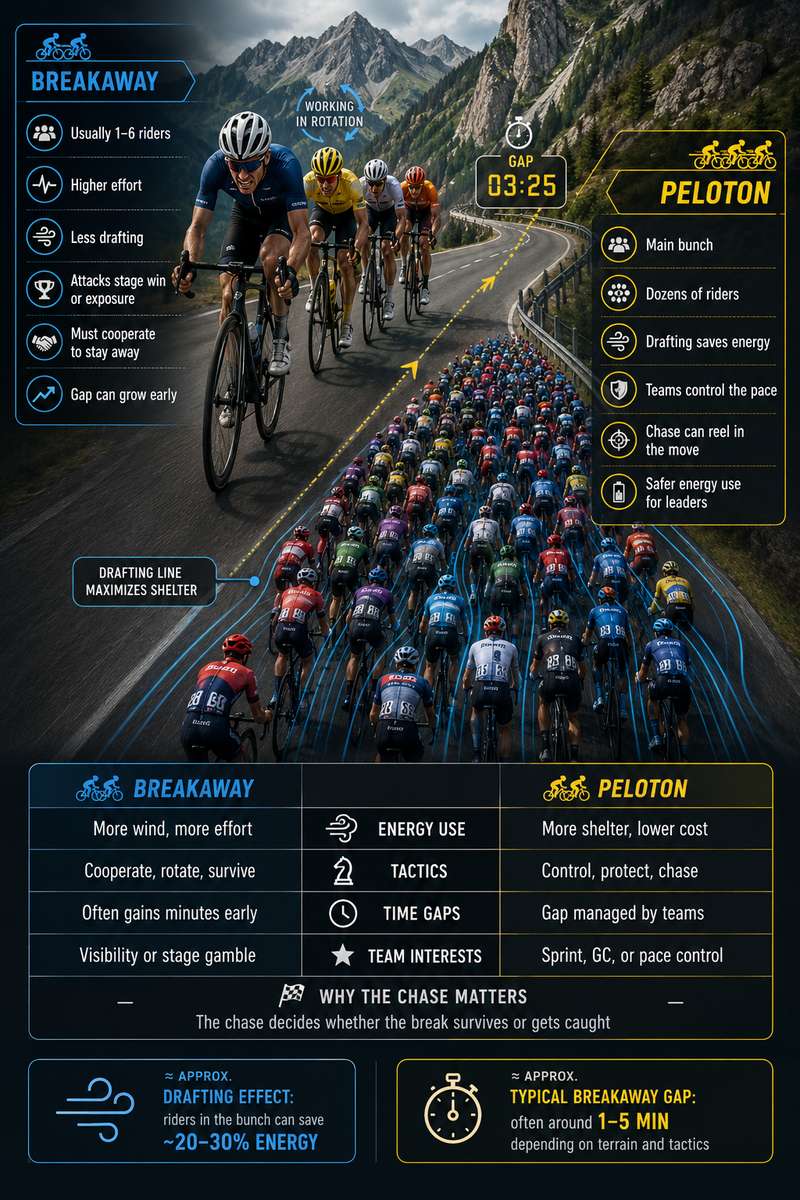
Drafting in the peloton reduces aerodynamic drag substantially (commonly ~30–40% for sheltered riders). That collective efficiency means a motivated peloton can chase more effectively than a small breakaway. Breakaways still serve multiple team purposes and are more likely to succeed on climbs or uphill finishes where drafting helps less.
CLEAR DEFINITION
A breakaway is a small group of riders—or a solo rider—that has ridden clear of the main field. The peloton is the principal group of riders that remains together and shares the work. The dynamic between them is a core tactical element in stage racing: the breakaway tries to build and hold a time gap; the peloton decides whether to organise a chase or let the move go.
HOW IT WORKS
The underlying mechanism is aerodynamic and cooperative. Riders sheltered in a large peloton pay substantially less aerodynamic drag than a lone rider: studies commonly report power savings in the order of ~30–40% for a sheltered rider, though savings vary with position, speed and group size. Because the peloton shares the aerodynamic burden, it can convert the same collective power into higher speed or lower per-rider cost than a small breakaway group or solo rider.
That aerodynamic advantage explains why a motivated and organised peloton usually has the physical efficiency to reel in escapes on flat or rolling terrain: the larger the group, the greater the per-rider saving and the more efficient the chase becomes.
WHY IT MATTERS IN CYCLING
Breakaways change who spends energy and when. Teams represented in a breakaway force others to decide whether to spend resources chasing. For the peloton, a chase costs coordinated effort from multiple teams; for the breakaway, maintaining a gap means sustained high effort with less drafting benefit and more variable power outputs—conditions that raise physiological cost (higher VO2, heart rate and lactate) compared with steady riding.
TOUR DE FRANCE CONTEXT
Over a three‑week race like the Tour de France the breakaway vs peloton dynamic repeats constantly. Breakaways are used not only to try for stage wins but also to gain time for a rider's general classification hopes, to secure sponsor exposure on television, or to force rival teams to burn matches. Because the stakes and team priorities shift across stages, the peloton's willingness to chase varies with who is in the break and the stage profile.
TACTICS AND TEAM STRATEGY
Teams place riders in breakaways for multiple strategic reasons: to hunt the stage, to sit on time for the GC, to make other teams chase, or to get sponsor visibility. Whether the peloton chases depends heavily on representation: if teams with general classification interest are present in the breakaway, the peloton is likelier to chase early. Conversely, if those teams are absent, the main bunch may allow the escape to stay away until late in the stage or until the break falters.
Other tactical factors include wind (crosswinds can form echelons and split the peloton), remaining distance, and whether the stage finish suits a sprint or an uphill escape. On flat stages a disciplined peloton usually controls the gap; on climbs and uphill finishes, where drafting is less influential, breakaways have a better chance of succeeding.
RIDER ROLES AND PHYSICAL EFFORT
Riding in a breakaway demands repeated surges and sustained high output with limited shelter; variable power increases physiological cost versus steady pacing. Domestiques in the peloton may lead chase rotations, sharing the workload to keep the gap in check while protecting their leader. Breakaway riders often include rouleurs and puncheurs who can tolerate variable efforts, while climbers or punchy specialists are favoured when terrain reduces drafting advantage.
TERRAIN AND STAGE PROFILE
The profile of a stage changes the balance between breakaway and peloton. On flat or rolling terrain at high speed, aerodynamic shelter dominates—favouring the peloton's ability to chase. On steep climbs and in mountainous stages, speeds slow and the benefit of drafting declines; here breakaways and solo moves are more likely to succeed, especially on uphill finishes where sustained individual power and climbing skill matter more than group aerodynamics.
COMMON MISUNDERSTANDINGS
Beginners often think a small time gap means a break is safe; in reality the peloton's collective efficiency can close large gaps quickly if it is organised. Another misconception is that a breakaway is only about winning the stage—teams also use escapes tactically to shift who's expending energy, to gain TV minutes, and to manipulate rival teams' schedules.
FAN VIEWING GUIDE
Watching the time gap, which teams are represented in the break, and which teams are driving the peloton tells the story. If GC teams are missing from the break, expect a longer hanging gap. Watch for rotations and organised pacelines in the peloton—those mean a serious chase. On climbs, monitor tempo: when drafting matters less, individual strength becomes decisive and a small break can turn into a winning move.
CLOSING INTERPRETATION
The breakaway vs peloton contest is a compact summary of what makes road cycling tactical and collective: aerodynamic physics creates incentives for cooperation, but team objectives and terrain create opposing incentives for attack. Knowing the energy maths (substantial drafting savings in the peloton), the tactical motives for sending riders up the road, and how climbs and wind change the balance helps viewers appreciate why the chase often defines the stage’s outcome.
Author: William L.