Why Tour de France Stage 9 Often Acts as an Inflection Point
Stage 9 in many recent Tours de France occupies a singular tactical slot: it comes at the end of the opening block of racing and is frequently the first real chance for selective, aggressive action. Race previews, technical briefings and live reports consistently frame Stage 9 as a hilly or lumpy test where accumulated fatigue from the first eight days amplifies the effect of climbs and road features, creating opportunities for breakaways, summit fights and genuine GC gaps.
FIRST READING OF THE STAGE
At first glance Stage 9 is rarely another flat procession. Commentators and previews commonly label it 'hilly' or 'lumpy'—a profile type that immediately signals two things: repeated efforts rather than a single long high-mountain climb, and the potential for decisive, race-shaping moments. Organisers often locate increased difficulty in this slot to ramp up the race before a rest day or the mountains block. In practice, that means Stage 9 reads as a bridge between conservative opening days and the more open, attacking racing that follows.
RHYTHM, SEQUENCE, AND ENERGY FLOW
The energy logic of Stage 9 is distinct because it follows eight days of cumulative stress—race miles, sleep disruption and travel. Technical briefings and performance analyses highlight how that accumulated fatigue changes riders' responses: climbs that earlier in the Tour would be manageable start to feel sharper, repeated rises disrupt peloton rhythm more easily, and teams must manage energy distribution with greater care. Rather than a single explosive moment, Stage 9 often demands sustained management of effort across a sequence of climbs and rolling terrain, where energy conservation and well-timed exertion decide who can follow attacks and who fades.
CLIMBS, GRADIENTS, AND SELECTION POINTS
Previews emphasize that Stage 9’s selection usually comes from its sequence of climbs rather than extreme gradients alone. The profile's identity—multiple categorized rises, or a hilly finale—means cumulative vertical metres and repeated accelerations create attrition. Media analysis notes that these moderate but persistent climbs are where the first notable separations often appear after the flat opening days. Because the climbs tend to be shorter or punchier rather than long Alpine ascents, attacks can succeed through well-timed, repeated efforts rather than sustained threshold climbing alone.
DESCENTS, TECHNICAL ROADS, AND ROAD FEEL
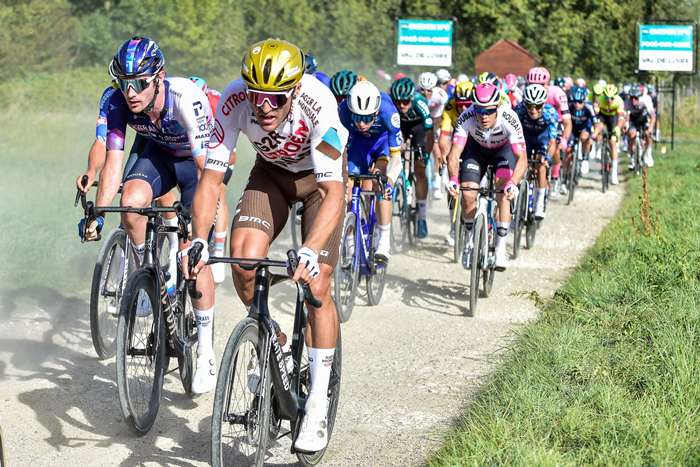
While the verified material does not provide stage-specific descent details, race reports and previews of recent Stage 9 examples show that technical sequences—tight roads, quick descents after climbs or gravel sectors in some editions—can amplify selection. When descents follow acute climbs, they reward riders with confidence and bike-handling skill and make organised chases harder. In that sense, the road feel on Stage 9 can turn from attritional to tactical: nervous handling and small gaps on technical sections multiply the effect of earlier climbs.
WIND, EXPOSURE, AND PELOTON FRAGILITY
Experts point out that Stage 9’s route choices can include exposed roads where crosswinds or open sections make the peloton vulnerable. Although the verified sources do not give weather specifics, previews and technical write-ups note that exposed terrain combined with post-week fatigue increases peloton fragility: a hard tempo or echelons on exposed sectors can split teams already managing tired riders. The hidden violence of these situations is that fatigue lowers riders' ability to follow sudden accelerations, making seemingly moderate terrain feel selective.
BREAKAWAY, GC, OR SPRINT?
Previews and race commentaries consistently frame Stage 9 as a day that invites two competing race scripts. For opportunists and breakaway specialists it is frequently described as a classic chance to get clear—organisers' difficulty and the cumulative fatigue factor increase the probability that a breakaway will stick. At the same time, Stage 9 can produce the first genuine GC tests: the profile’s climbs and sequence logic give GC teams opportunities to probe rivals and create small but durable gaps. Sprint control is less assured on a lumpy Stage 9; if the terrain bites or the break forms at the right moment, the sprint teams may have to abandon a full chase.
HISTORY, MEMORY, AND STAGE LEGACY
Live reports and race coverage from specific editions show Stage 9 has produced decisive moments—breakaway wins, summit finishes and selections that altered race dynamics compared with earlier, more controlled stages. While there is no aggregated academic dataset in the verified sources quantifying how often Stage 9 produces GC-changing time gaps, multiple media reports across years treat Stage 9 as the logical place for the race to move from cautious to aggressive. That recurring narrative has built a stage legacy: riders and teams enter Stage 9 with an awareness that it can be their last opening-week opportunity to shape events.
WHY THIS STAGE MATTERS
In tactical terms Stage 9 matters because of timing and composition. It comes after the opening block when fatigue is starting to bite, and it typically carries a hilly, punchy profile that rewards well-timed aggression and sustained power over repeated efforts. The combination makes Stage 9 a logical inflection point: it can legitimize breakaways, expose GC vulnerabilities, and force teams to choose between protecting leaders or chasing opportunistic moves. For riders who hunt stages and for teams wanting to test rivals ahead of the mountains or a rest day, Stage 9 is often the first real chessboard of the Tour.
The evidence from previews, technical briefings and race reports supports a clear reading: Stage 9 is designed—or at least functionally positioned—to elevate the race from early caution into more open, selective tactics, with climb sequences and accumulated fatigue producing durable selection.
Author: Eric M.