Cycling tech: The innovations that reshaped the Tour de France race bike
The modern Tour de France bike is the product of several clear engineering shifts rather than a single silver-bullet part. This article looks at the specific cycling tech developments that had measurable, race-level impact — from carbon monocoques and aero thinking to brakes, drivetrains and the instruments that changed tactics.
Quick answer
Carbon-fibre frame construction, aerodynamic frame integration, time-trial-derived aero tools, electronic shifting and the arrival of disc brakes and wider tyres are the major cycling tech trends that changed how Tour bikes are built and raced.
What you will learn here
- Why carbon monocoque frames became structurally important in the peloton.
- How time-trial aero ideas migrated to road frames and cockpits.
- Which component and system changes altered race behaviour and safety.
The technical idea at the core
At a high level the dominant shift is system thinking: manufacturers stopped treating frames, handlebars, wheels and cockpit as separate items and began optimising aero, weight and ergonomics together. That systemic approach rests on two concrete enablers found consistently in pro bikes — carbon-fibre monocoque construction and wind-tunnel/CFD-driven design. Those two threads allowed more complex shapes and integration while keeping structural performance acceptable for pro racing.
Materials, frame logic, and structure
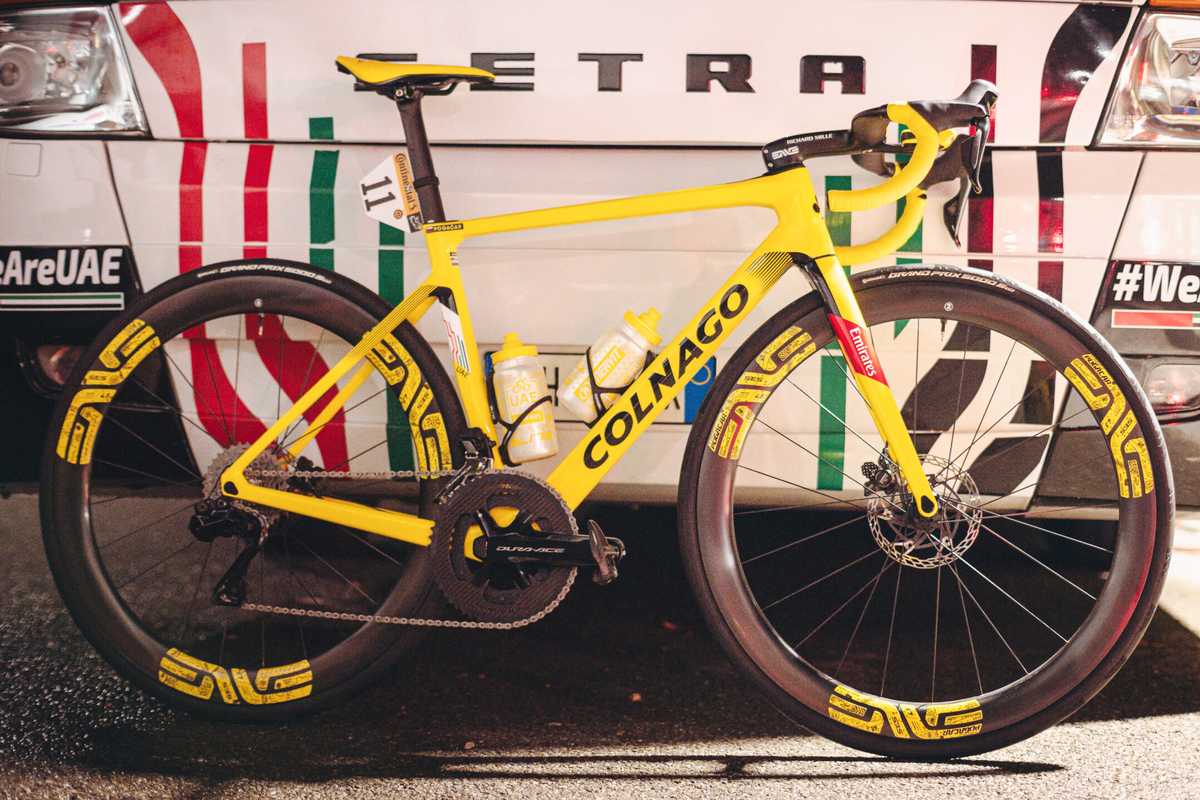
Carbon-fibre monocoque frames became the dominant structural technology in the pro peloton, displacing steel and aluminium. The shift matters because carbon allows complex tube shaping, directional stiffness tuning and integrated parts that aluminium or steel cannot match without large weight or manufacturing penalties. In practice that translated to bikes that could be both lighter and stiffer in targeted areas while offering different ride-feel characteristics depending on layup choices.
Aero, integration, and system thinking
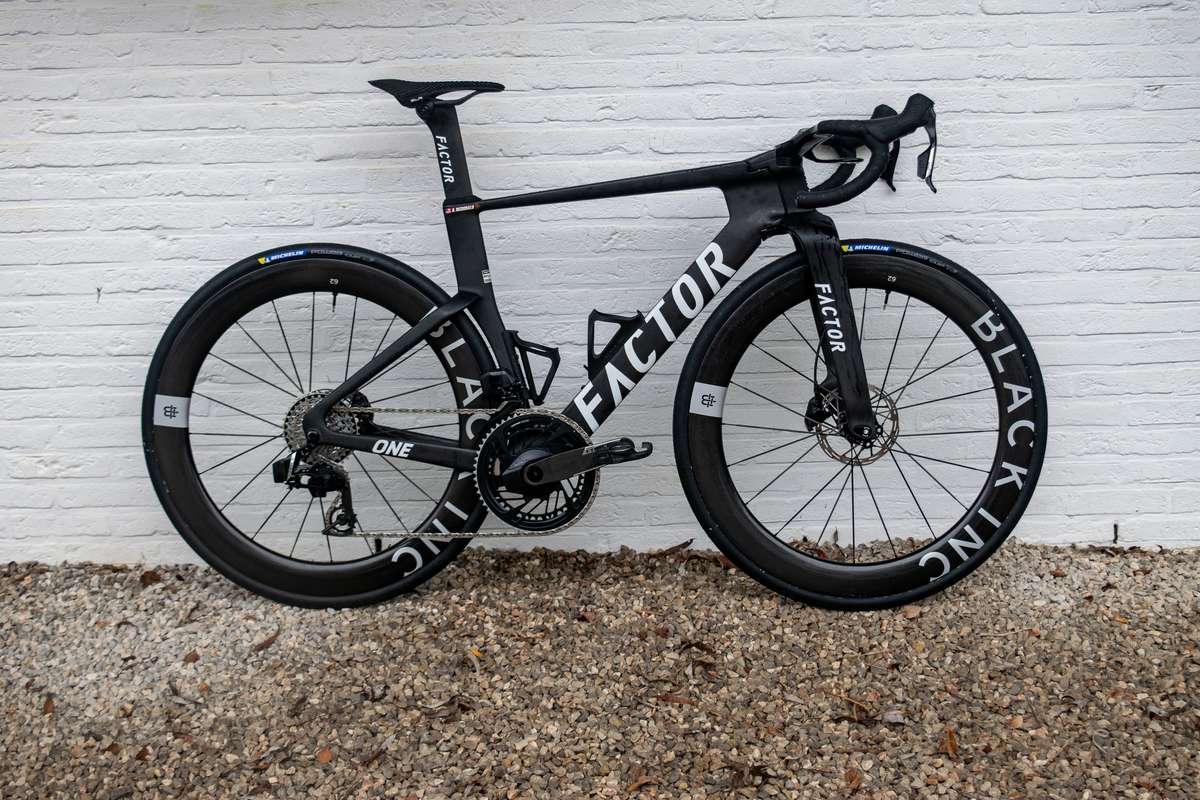
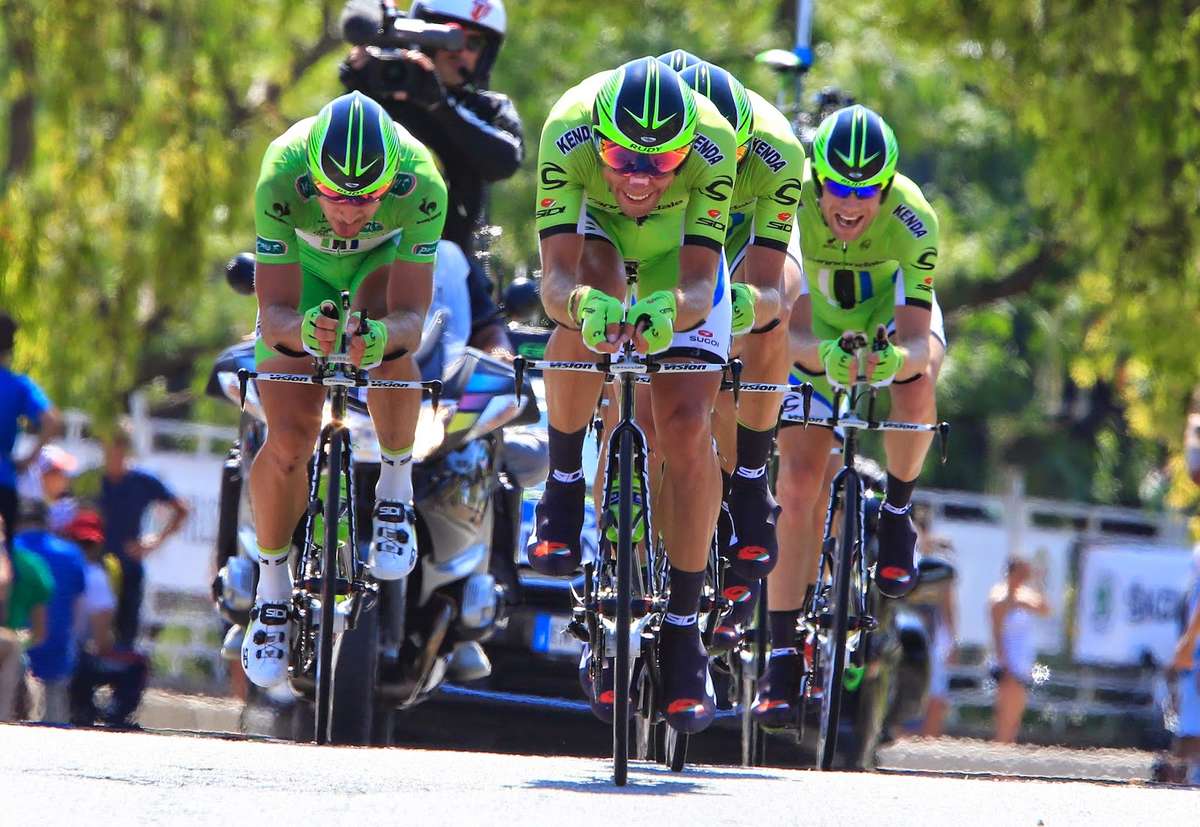
Time-trial innovations — from aero-bars and deep-section wheels to TT helmets — demonstrated the real performance gains available through aerodynamic optimisation. Over the 2000s–2020s, aero frame shaping (truncated aerofoil profiles), hidden cables and integrated cockpits migrated from TT-specific kit into everyday road frames. Manufacturers increasingly validated those changes in wind tunnels and with CFD; this testing culture made aero drag a primary design driver for Tour-level road bikes rather than a secondary styling choice.
Quick access
Brakes, wheel systems and tyre choices
Disc brakes and the broader shift toward wider tyres and tubeless systems represent functional changes that affect braking performance, wet-weather control and rolling-resistance choices. Disc technology was trialled in the pro ranks in the mid-to-late 2010s and is now widely adopted; its clear real-world effect is improved braking modulation and consistency in varied conditions. Likewise, choosing larger tyre volumes changed comfort and rolling characteristics, giving teams another lever to tune bike performance for race stages.
Drivetrain, electronics and power instruments
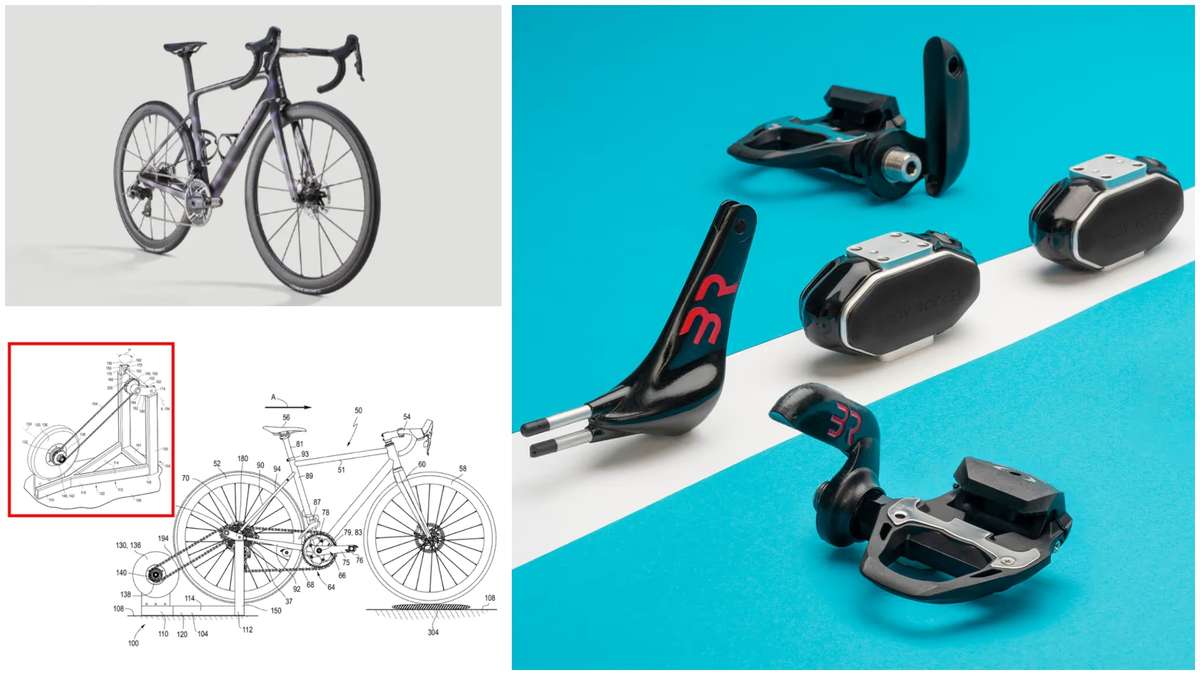
Electronic drivetrains (Campagnolo, Shimano Di2, SRAM eTap) moved precise, repeatable shifting into the pro toolbox, affecting ergonomics and rider control. Separately, power meters — increasingly embedded in cranks, pedals and hubs — changed how riders and teams manage effort and tactics. Those instruments altered race behaviour: measurable power feedback and instant, consistent electronic shifts have become tactical tools rather than mere convenience features.
Weight, stiffness and ride character
The requirement to balance lightweight construction with regulatory constraints is an important structural reality. UCI regulations, notably the minimum bike weight rule, have shaped how manufacturers prioritise weight savings versus durability and safety. Carbon allows targeted stiffness increases without excess mass, but work remains interpretive: manufacturers tune layups to deliver a balance between pedalling efficiency and vibration management rather than pursuing minimal grams alone.
How the bike fit its era
These cycling tech choices reflect the era’s priorities: from the growing centrality of aero data to the push for safer, more predictable braking and the use of power data for race management. Over the past two decades the peloton has moved from component-by-component improvements to holistic system optimisation, driven by wind-tunnel validation, electronic controls and new tyre/brake standards.
Which innovations actually mattered
Not every new feature changed race outcomes. The most materially important developments were those that altered measurable performance or behaviour: carbon monocoque frames for structural flexibility, aero integration that reduced CdA on flats and time trials, electronic shifting and power meters that changed tactics, and disc brakes/wider tyres that improved braking and rolling choices. Cosmetic or incremental styling trends mattered far less in race performance.
What this reveals about elite cycling tech
The trajectory shows that marginal gains matter only when they are measurable and repeatable in race conditions. Wind-tunnel proven aerodynamic gains, consistent electronic shifting, and improved braking in wet conditions are examples where engineering translated directly into on-road advantage or safety. Conversely, any feature lacking measurable benefit typically remained boutique or marketing-led.
Why the innovation story still matters
Understanding which cycling tech changes genuinely affected the Tour de France helps distinguish useful engineering from hype. Teams and manufacturers now invest where measurable returns exist — aero testing, electronics and control systems, tyre and brake performance — and those investments continue to define what a competitive race bike looks like.
Author: Eric M.