Bike technology in the Tour de France: intelligent trade-offs that shape…
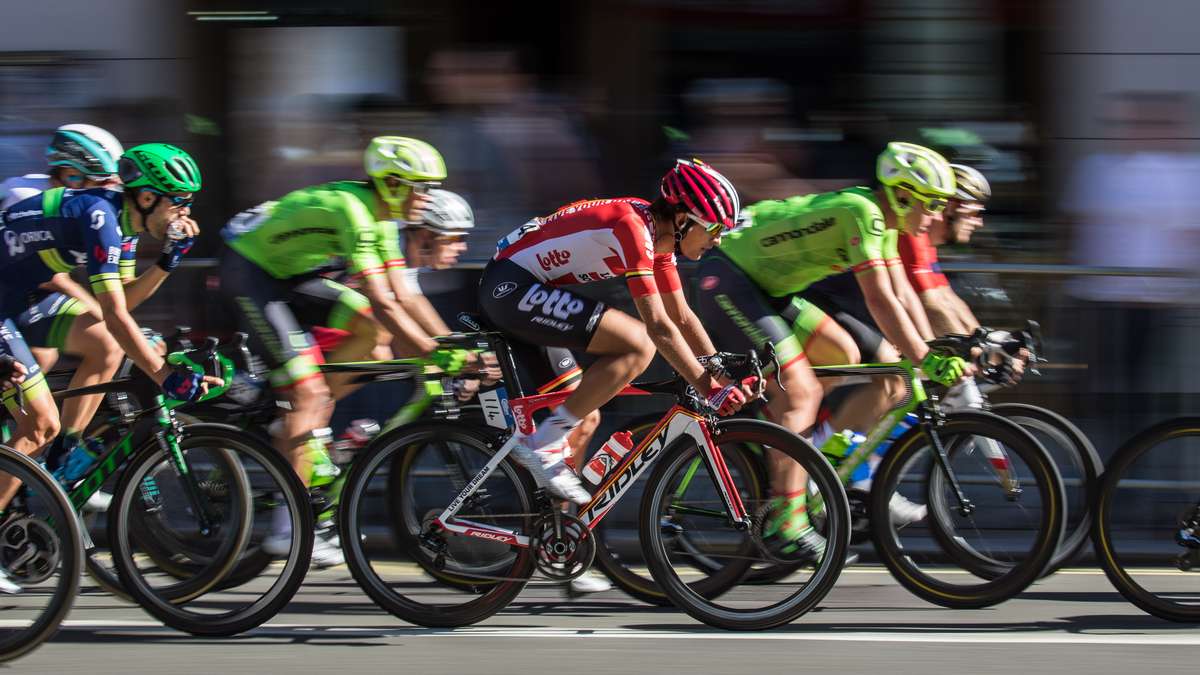
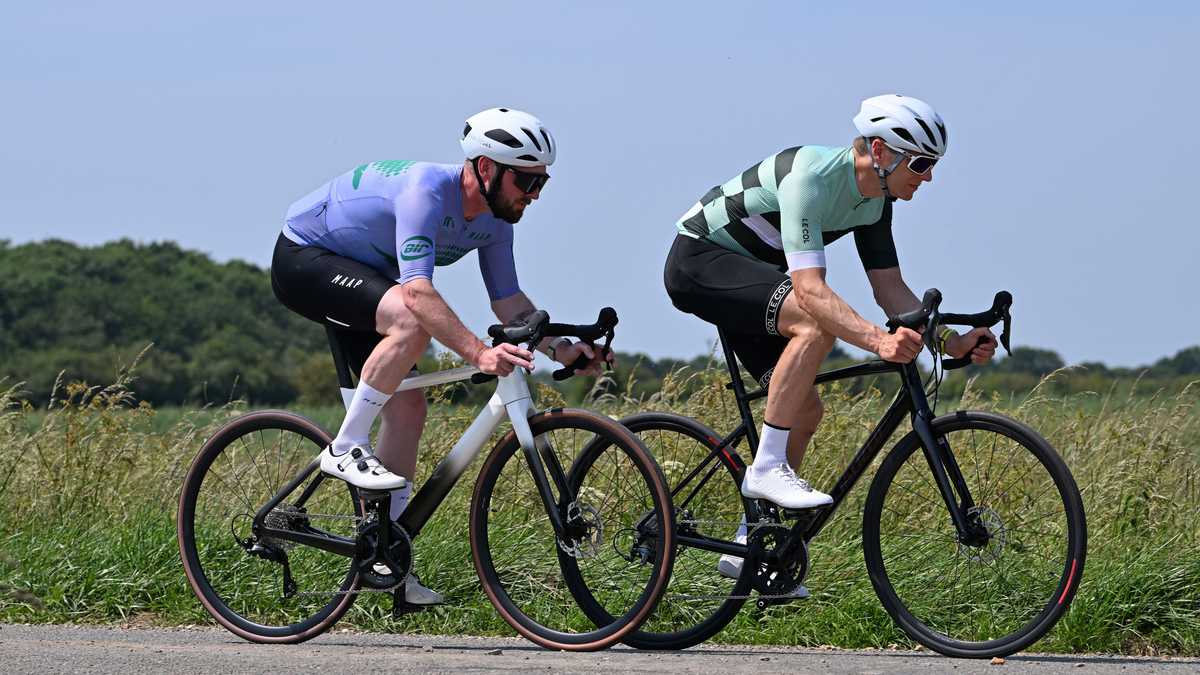
In the Tour de France the machines you see on the road are not collections of isolated features but negotiated compromises: aero gains versus handling, weight versus durability, seamless integration versus serviceability. This article explains how bike technology at the Tour has become a pattern of intelligent trade-offs and what those choices actually change for riders on the road.
Quick answer
Modern Tour bikes balance aerodynamic integration, electronic control, braking confidence and tyre/comfort choices so teams can extract sustainable speed across varied stages rather than chase single-feature gains.
What this article explains
- Which technologies became standard in the peloton and why.
- How designers trade off aero, weight and control for different stage demands.
- What riders gain on the road from integration, tyres, brakes and power telemetry.
The technical idea at the core
At the heart of recent Tour-de-France bike technology lies system thinking: engineers and teams stopped treating components as separate islands and began optimising entire systems for race contexts. That means choosing features not because they are novel, but because their combined effect improves sustained performance across long stages—better pacing, fewer mechanical interruptions, improved handling in crosswinds, or more rolling efficiency on rough roads.
Materials, frame logic, and structure
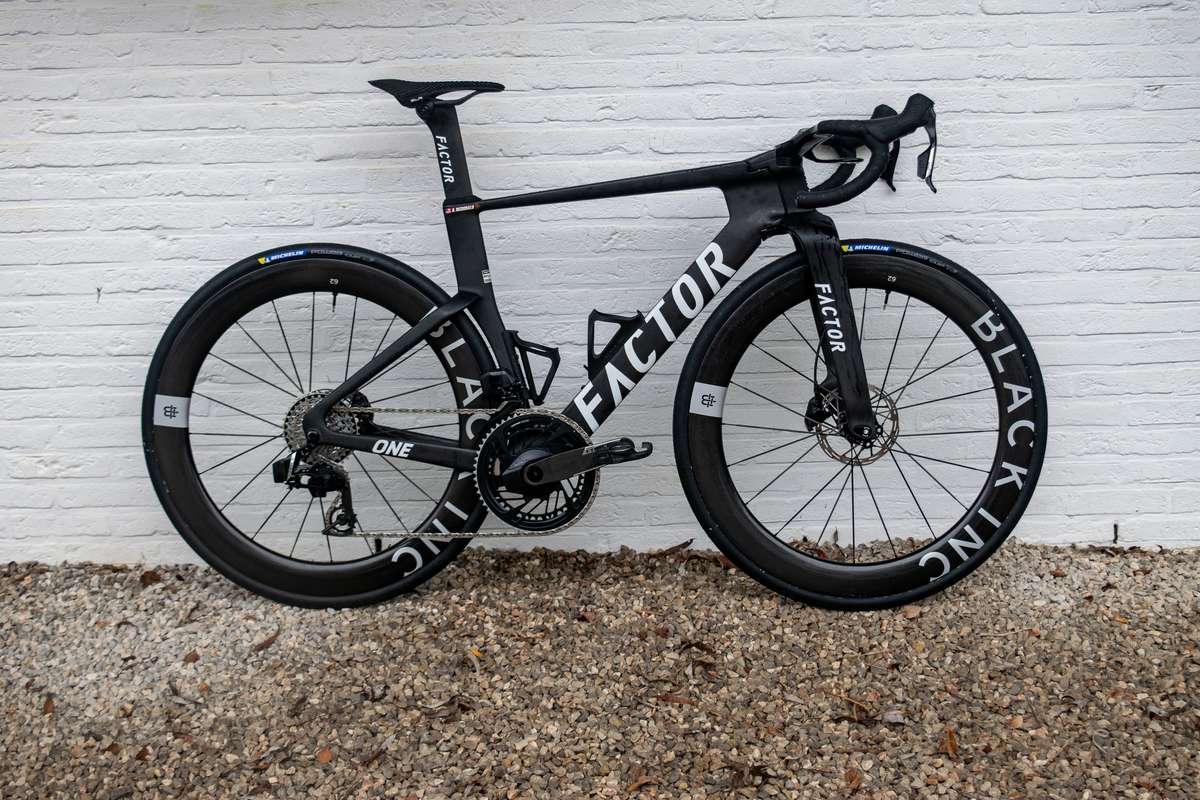
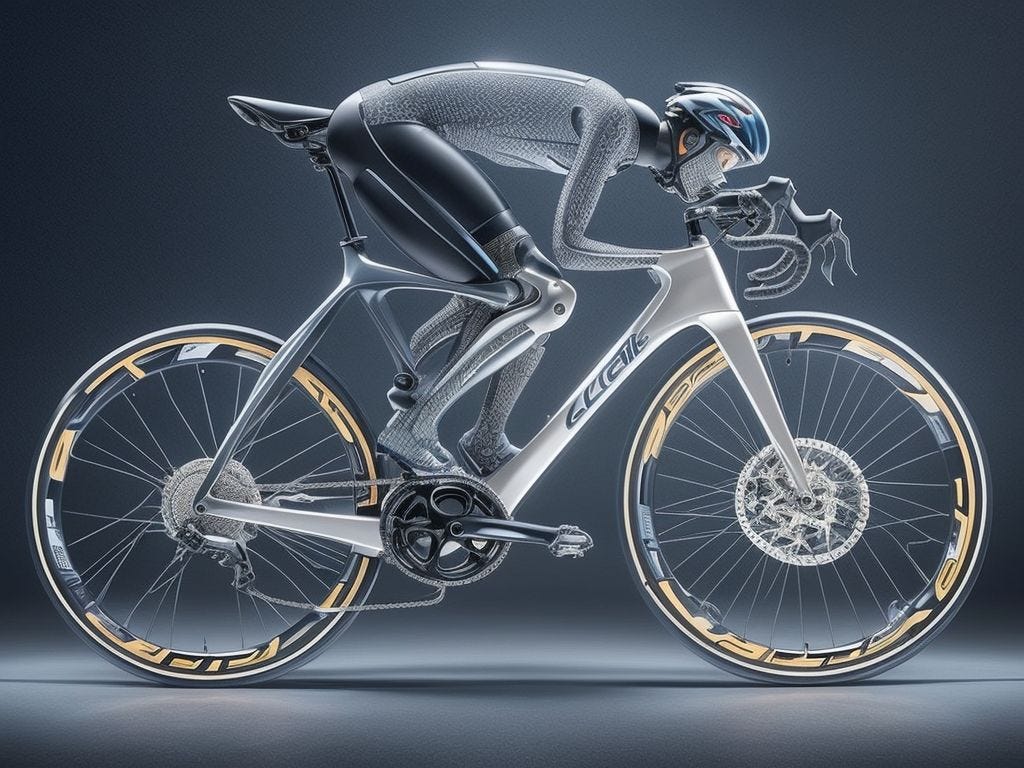
While frame carbon construction remains the baseline for top-level bikes, the verified trend is less about radical new materials than about how frames are shaped and integrated. Manufacturers increasingly use aero-shaped tubes and integrated cockpits to reduce drag, but those shapes are balanced against handling and durability. The result is frames engineered to be aero where it matters while retaining predictable stiffness and compliance so riders maintain control over extended race distances.
Aero, integration, and system thinking
Aerodynamics is the dominant driver of recent design choices: integrated cockpits, hidden cables and aerodynamic tube shaping all aim to cut drag. In practice teams decide how far to push integration based on stage type—full-on aero setups for flat days or time trials, and more conservative configurations when handling and weight matter. Time-trial equipment remains a specialised corner of this thinking: TT frames, tri-bars and disc rear wheels provide measurable advantages in individual efforts, but UCI rules and course profiles limit where extreme TT designs are used, so teams balance TT-specific gains against road versatility.
Braking, wheel systems and tyre choices
The peloton’s equipment choices show clear, documented shifts. Disc brakes, trialled by the UCI in 2016 and permitted from 2017, are now commonly used in the pro ranks because they offer consistent stopping power—especially important on long descents and in variable weather—though teams still weigh factors like wheel compatibility and serviceability. Tyre systems have likewise evolved: tubeless tyres and wider tyre widths (for example 28–30mm and larger) have seen widespread adoption at the Tour to improve rolling resistance, puncture protection and comfort, which directly affects endurance across long stages.
Electronic shifting, power meters and ride control
Electronic gear shifting—Shimano Di2, Campagnolo EPS, SRAM eTap—arrived in the pro peloton in the late 2000s and became widespread during the 2010s. Teams use these systems because they offer precise, repeatable shifts and easier cockpit integration, which reduces cable exposure and supports aerodynamic packaging. Parallel to shifting, power meters and rider telemetry (crank-, hub- or pedal-based meters and bike computers) are now standard tools for pacing and race management: they let teams manage effort, coordinate efforts in breakaways and time trials, and make cold-data decisions throughout three weeks of racing.
Weight, stiffness and ride character
Designers routinely trade weight against stiffness and comfort. Light frames help on climbs, but marginal weight savings that compromise durability or handling are generally avoided at the Tour level. Instead, teams favour frames and wheel choices that provide a balance: enough stiffness for efficient power transfer without producing excess vibration that costs riders energy over long stages. Wider tyres and tubeless setups are a direct outcome of that balance—allowing slightly higher tyre volumes for comfort and lower rolling resistance without a large weight penalty.
Component choices and technical direction
Groupsets and component suppliers shape how bikes are put together. Integrated power meters from groupset suppliers, the choice between wired and wireless electronic shifting, and crankset configurations (double versus one-by) influence reliability, weight distribution and available gearing. Teams choose component mixes to reflect their race strategies and the expected terrain: robustness for Grand Tour durability, or marginal gains where a straight-line aerodynamic or weight benefit matters most.
How bike technology fit its era
The past decade’s trends—widespread electronic shifting, the switch to disc brakes, tubeless and wider tyres, and deeper aerodynamic integration—reflect a maturity in race bikes. Innovations moved from experimental to standard as teams proved they delivered consistent, race-day advantages: safer braking in mixed weather, simpler cockpit layouts that reduce aerodynamic penalty, and tyre choices that lower rolling resistance while cutting puncture risk. Simultaneously, UCI regulations have steered how and when manufacturers could introduce changes, shaping adoption timelines.
Which innovations actually mattered on the road
Not every new feature is equally influential. In everyday race terms the most consequential shifts were those that reduced time lost over three weeks: reliable braking in varied conditions, consistent electronic shifting that reduces mechanical incidents, and tyre systems that lower rolling resistance while improving puncture resistance and comfort. Power meters changed tactical behaviour rather than bike hardware directly, enabling smarter pacing and effort distribution over stages.
What this reveals about elite cycling tech
The dominant lesson from recent Tour bike technology is that progress is iterative and systemic. Instead of single-feature revolutions, the peloton has adopted combinations of reliable, marginal gains that together reduce total time and rider fatigue. Teams and manufacturers calibrate those trade-offs—between aerodynamics, control, weight and endurance—based on stage demands and regulatory constraints. For readers interested in the engineering logic, the takeaway is simple: the most valuable innovations are those that solve real race problems under three-week conditions, not headline-grabbing one-off features.
Author: Cynthia D.