What Defines a Pro Cycling Bike for the Tour de France: Technical Identity and…
In the context of the Tour de France, a “pro cycling bike” is not a marketing slogan but a set of engineering compromises that show up in how the machine climbs, accelerates, descends and survives a long stage. This article links design choices—frame philosophy, aerodynamics, stiffness, wheels, tyres, gearing and brakes—to observable behaviour on real roads. The goal is concrete: explain why a bike feels the way it does and how that maps to rider action over varied Tour terrain.
FIRST READING OF THE BIKE
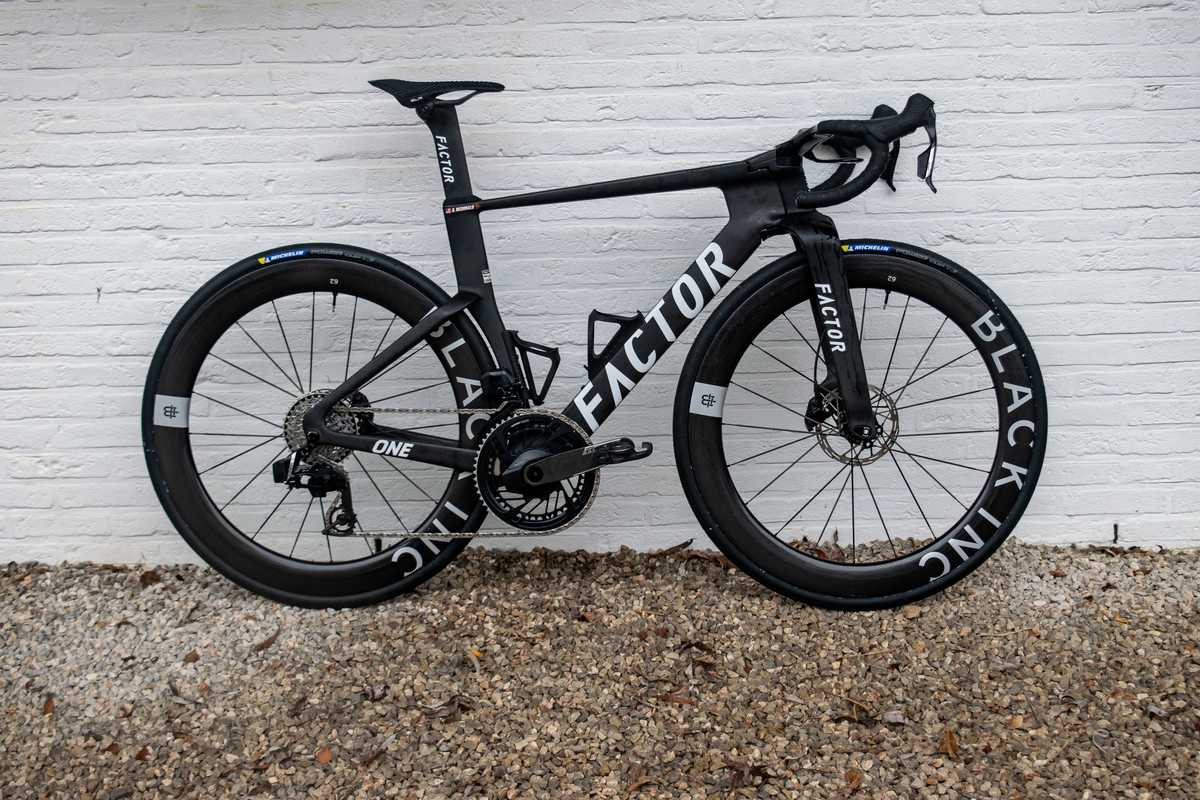
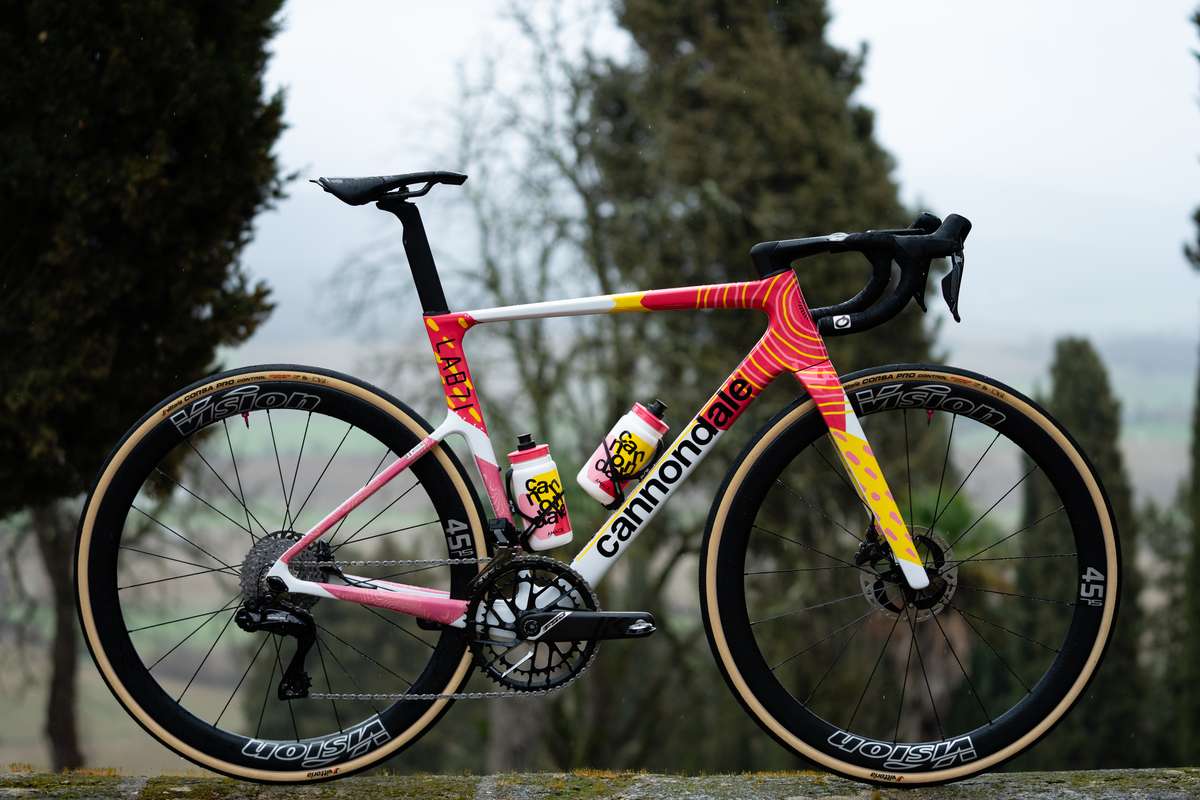
The first, visual read of a pro bike gives immediate clues about its intended role. A sculpted, deep-tube frame and integrated cockpit point to an aero-focused platform meant to protect speed on flats; slender tubes and minimal shaping usually indicate a climbing bias where low mass and simple fittings matter. Visible wheel depth, tyre width and the presence of disc brakes are practical signals: deep rims and wider integrated profiles favour high-speed efficiency, while lightweight wheelsets and simpler integration suggest a prioritisation of steep-gradient performance and quick accelerations. Those surface clues translate directly to behaviour: what you see is what you get on the road because those shapes and choices change drag, mass and handling in measurable ways.
FRAME LOGIC, WEIGHT, AND STIFFNESS
At the heart of the bike is its structural logic: a layup and tube design that balances stiffness, weight and compliance. Stiff areas—bottom bracket, chainstays and headtube region—deliver direct, observable benefits: quicker relance, better power transfer under hard accelerations and a more immediate steering response. However, stiffness is a double-edged sword. Excessive stiffness amplifies road shock and raises rider fatigue over a long stage, so teams and manufacturers tune carbon layups and tube shaping to find a usable compromise.
Weight matters under the UCI rules that pros race to: frames and complete bikes must comply with equipment approval and minimum bike weight regulations. In race decisions this sets the playing field: lighter setups favour long climbs and sustained low-speed ascents where gravity dominates, while heavier, more aero builds reward speed on flats. Teams model speed/gradient/power relationships to pick the right compromise for each stage rather than relying on absolute claims.
AERODYNAMICS AND FREE SPEED
Aero design is where marginal gains become obvious on the flat and rolling stages. Deep tubes, integrated cockpits and wheel shaping lower drag and increase free speed—observable as higher average speeds with the same rider power on the flat. But aero comes with penalties: added frontal area or heavier, deeper wheels increase mass and rotational inertia, which can cost time on steep climbs or during repeated accelerations.
Teams use models and stage-specific analysis to decide when aerodynamic gains outweigh mass penalties. That tipping point is measurable: on long climbs at low average speed, weight predominates; on fast, flat sections, aero wins. The practical outcome in race use is simple—swap toward aero for flats and time trials, move toward lighter choices when gradients make weight decisive.
CLIMBING RESPONSE AND ACCELERATION FEEL
How a bike behaves when the road goes up is shaped by mass distribution, component weight and stiffness mapping. A lighter platform with low rotational mass (lighter wheels) gives a more immediate, springy acceleration when a rider increases cadence or attacks—translating to observable quicker relances out of corners or mid-climb accelerations. Conversely, an aero-oriented bike with deeper wheels will feel steadier on the flat but more languid on steep pitches.
Gearing choices tie directly to this behaviour: lower gears or wider-range cassettes allow riders to keep cadence high and limit peak torque on long steep sections, reducing fatigue and making climbs more sustainable. Closer ratios favour maintaining rhythm in fast group efforts where small cadence changes matter.
WHEELS, TYRES, BRAKES, AND ROAD CONTACT
Where the machine meets the road determines the final, tactile behaviour. Wheel depth and stiffness change rotational inertia and aerodynamic benefit: deeper rims provide clear aero advantage on flats but cost in accelerations and climbing. Lighter, shallower wheels reduce the effort to change speed and feel livelier on steep gradients.
Tyre selection and pressure are an underappreciated performance lever. Modern wider tyres run at optimised pressures often lower rolling resistance and increase comfort compared with narrow, high-pressure tyres. That comfort reduces rider fatigue across a stage and improves traction—both critical in long Grand Tour days. Teams use independent rolling-resistance data to make stage-specific tyre choices.
Disc brakes are now central to descending control: they provide more consistent braking power and modulation, especially in wet conditions, which raises rider confidence on technical descents. That advantage is ultimately constrained by tyre traction and by heat/fade management on very long descents, problems teams monitor and mitigate in equipment choices and race strategy.
GEARING, FIT, AND RIDER INTERACTION
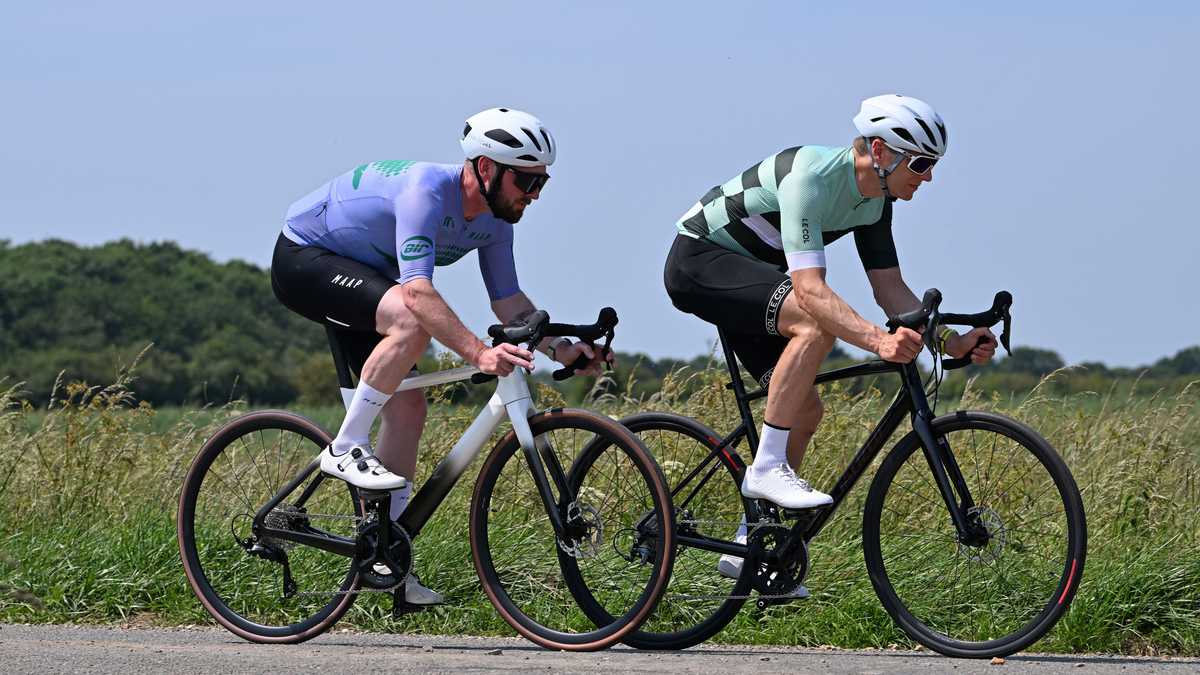
The bike’s transmission and how the rider is positioned form the human-mechanic interface. Gearing ranges are chosen to match stage profiles: wider ranges and lower bottom gears help sustain cadence on steep mountain passes, while tighter steps assist maintaining an efficient cadence in fast group efforts and during repeated accelerations. Fit and rider posture are tuned so power output, comfort and aerodynamics align—teams adjust position and transmission logic to the rider’s role and the stage demands.
Small changes in cockpit setup or chainring/cassette selection produce immediate, observable differences: a lower handlebar position may shave seconds on a flat but increase metabolic cost over a long climb; a different cassette can change how often a rider shifts on a climb and therefore how they manage effort.
TOUR CONTEXT AND EQUIPMENT COMPROMISE
A three-week race forces decisions beyond a single stage: durability, serviceability and the reactivity of the bike under fatigue. Teams exploit the rules and tools available—frame approvals, wheel swaps and stage-specific tyre and gearing choices—to manage these trade-offs. It’s common practice to swap bikes or wheelsets when the predicted benefit outweighs the time cost, based on models that determine the tipping point between aero and lightweight set-ups.
The observable result on race day is a fluid equipment strategy: lightweight machines and wheelsets for steep, decisive climbs; aero machines and deeper wheels for long flat stretches, breakaways and time trials; robust tyre choices and disc-brake setups to handle descents and changing weather without sacrificing control.
WHY THIS BIKE MATTERS
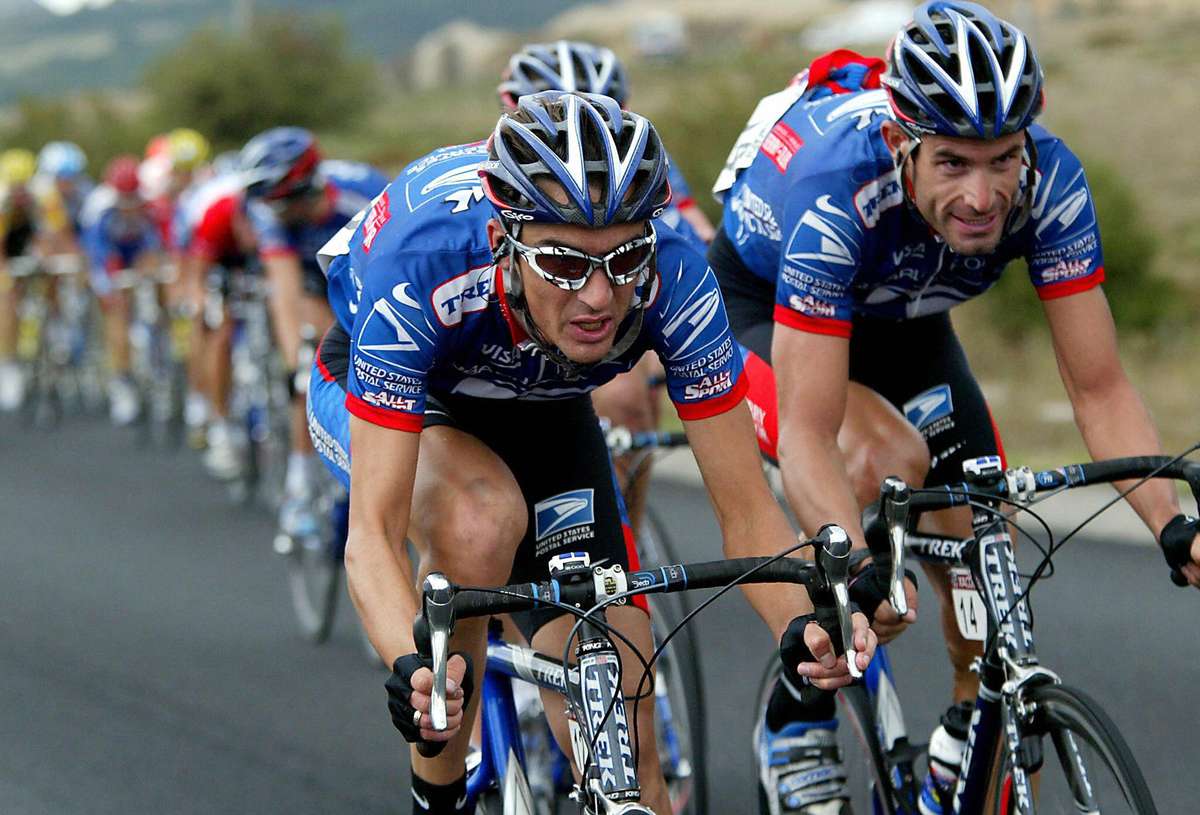
Understanding a pro cycling bike is about mapping design choices to rider needs and stage realities. The machine’s identity—whether it prioritises aero speed, climbing lightness, or a middle-ground endurance approach—shows up in acceleration, cadence management, descending confidence and cumulative fatigue across a stage. Those are measurable, repeatable effects that teams model and riders feel in the peloton.
In short, a true Tour-level bike is defined by the engineering trade-offs tuned for specific race situations: the stiffness that gives immediate relance but costs comfort, the aero shaping that saves watts on the flat but must be abandoned on steep climbs, the wheel and tyre logic that balances rolling speed against traction and fatigue, and the gearing choices that let a rider manage cadence across hours in the saddle. Recognising these causal links between design and behaviour makes the machine’s mechanics memorable and, more importantly, usable in race strategy.
Author: Alex R.