Cycling sport through the logic of the Tour de France: why a stage race makes…
The Tour de France is the clearest laboratory for understanding modern cycling sport. A three-week stage race combines flat sprints, rolling terrain, high mountains and time trials; simultaneous classifications (general, points, mountains, young rider and team) and strong team roles make equipment decisions tactical as well as technical. This article reads a race bike through that stage-race logic, showing why frame philosophy, wheel and tyre choices, gearing and rider fit are inseparable from the tactical aims of teams and the demands of the yellow, green, polka-dot and white jerseys.
FIRST READING OF THE BIKE
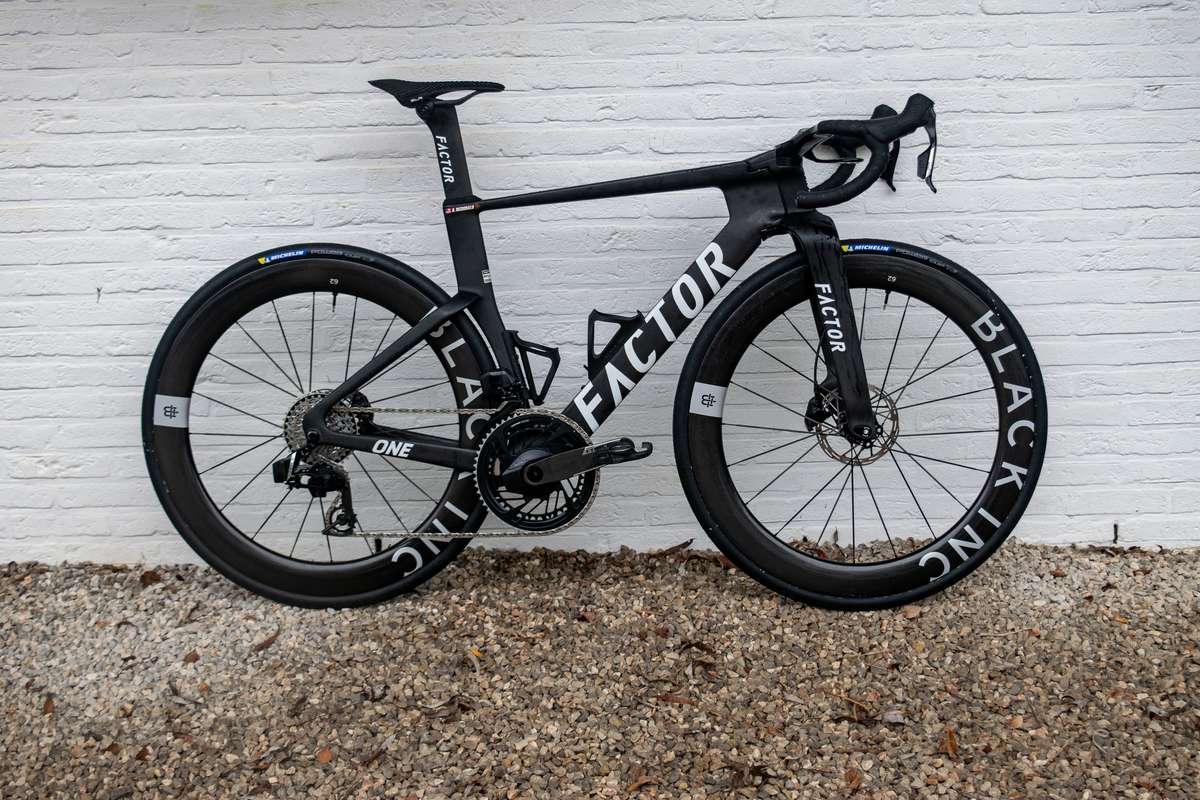
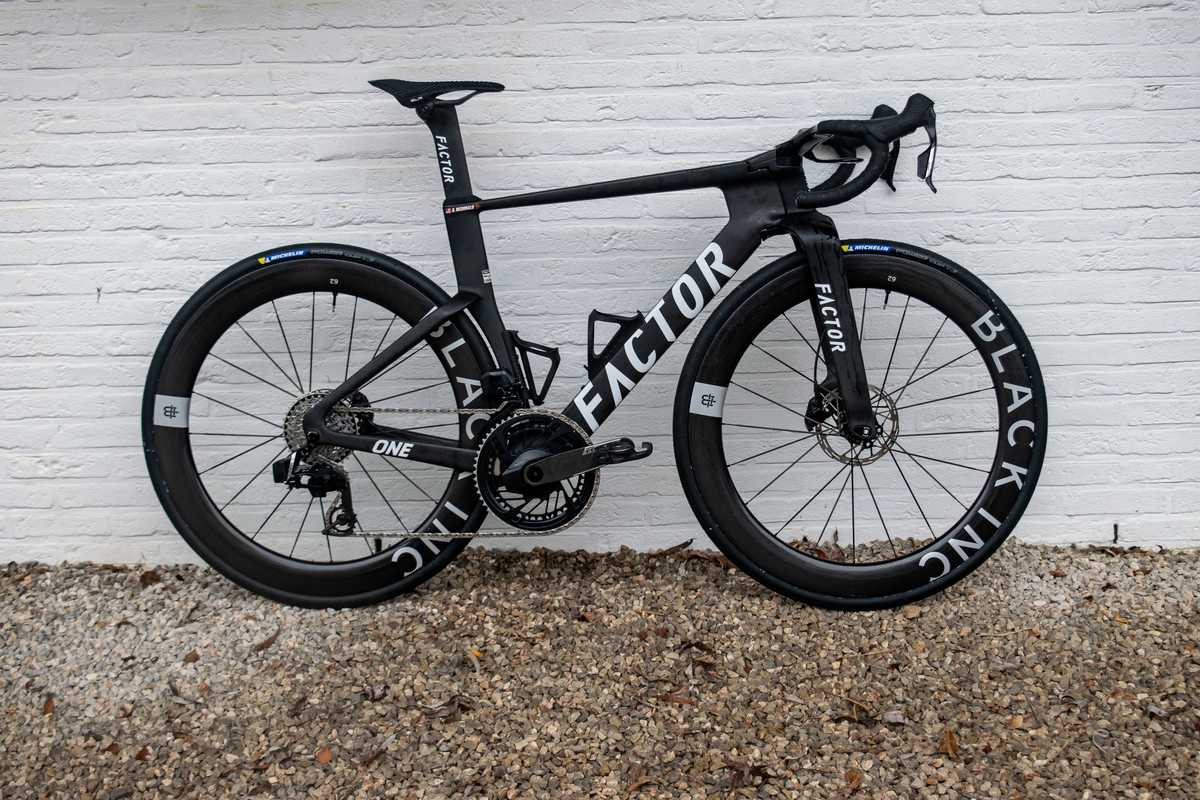
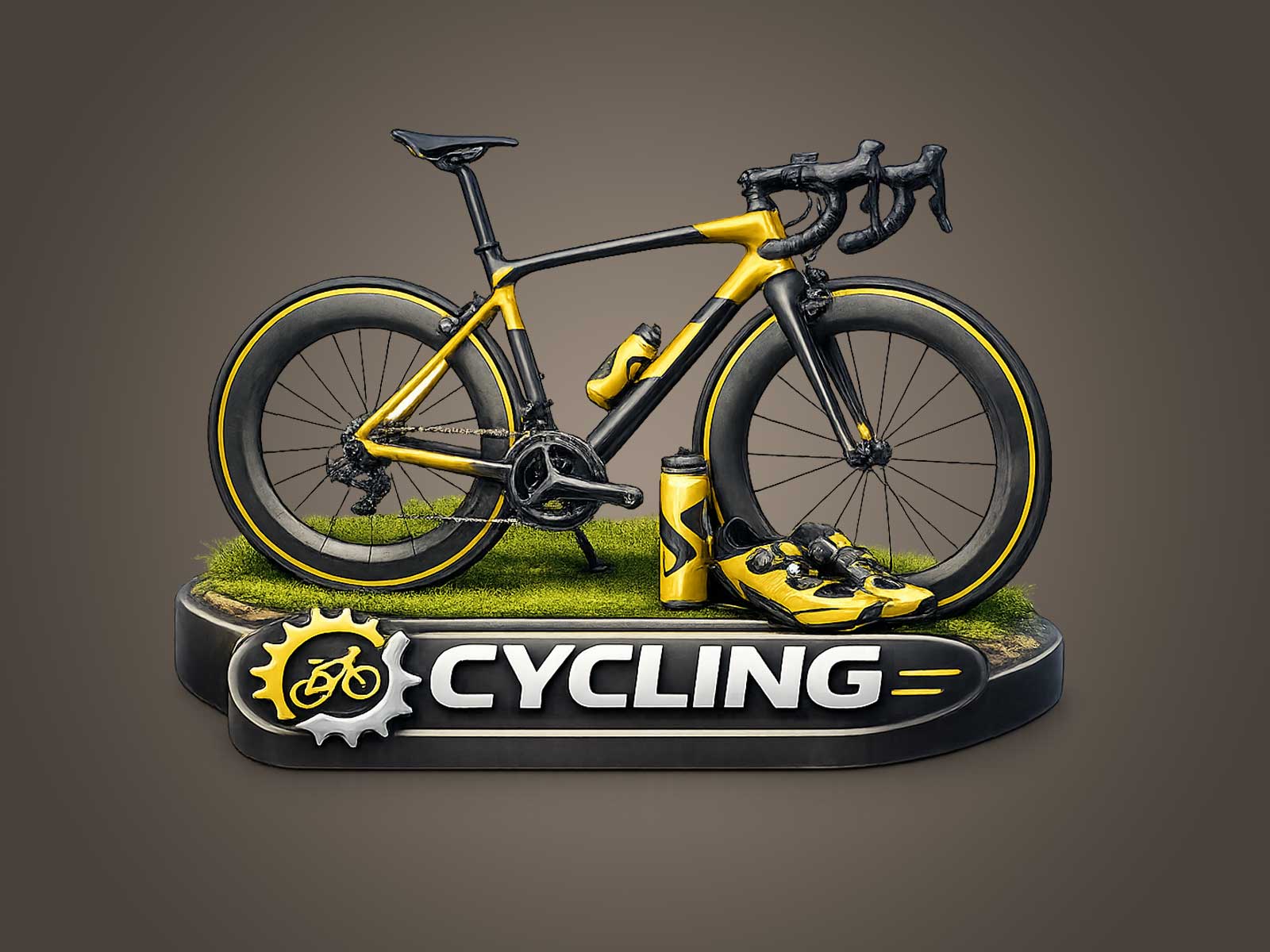
On sight, a Tour-oriented road bike reveals what trade it is built to service. Is it shaped to favour sustained speed and time trials, or does it telegraph an appetite for climbing and repeated accelerations on steep ramps? In the context of the Tour de France, this initial identity must be read against stage types: time trials and flat stages reward low drag and high free-speed; mountain stages prize nimble response and energy conservation over long climbs. The visible platform often betrays its intent through integration level, tube shaping and wheel compatibility — not as absolute claims but as hints at the balance designers sought between speed and endurance across varied stages.
FRAME LOGIC, WEIGHT, AND STIFFNESS
Frame design in a stage race must reconcile three core needs: lightness for climbs, stiffness for accelerations and time-trial tempo, and durability to survive repeated hard days. In Tour conditions, teams value a platform that manages these trade-offs rather than maxing out one axis. Lighter structures aid climbing, but extreme lightness can compromise durability and long-stage comfort; greater stiffness helps power transfer during attacks, team pacing and sprints, yet too much stiffness can increase rider fatigue over consecutive long stages. The sensible race bike therefore sits in a middle ground where material and layup choices aim for sufficient rigidity to respond to attacks and tempo work while preserving compliance to limit cumulative fatigue across the three weeks.
AERODYNAMICS AND FREE SPEED
Aero matters where the road is flat or when riders ride long distances on the front of the peloton, and it is especially decisive in time trials. But in the Tour it competes with other realities: climbs, technical descents and days when crosswinds or breakaway dynamics change the race. Teams calibrate aero gains against serviceability and comfort: highly integrated front ends can reduce drag but complicate repairs and fit adjustments, while aggressive aero shapes may increase sensitivity to crosswinds. In short, a race platform that prioritises aero must still be usable across mountains and variable weather — a compromise between peak free-speed and overall stage-race resilience.
CLIMBING RESPONSE AND ACCELERATION FEEL
When the road tilts up, the demands on a Tour bike shift from steady power to repeat accelerations and energy conservation. Climbing response is not only raw weight; it is how the frame transfers bursts of power (to follow an attack or surge) while allowing a rider to settle into a sustainable rhythm. Time gained or lost on mountain stages is decisive for the general classification, so teams choose machines that let GC contenders produce clean, predictable accelerations and recover quickly between efforts. That often means a balance: enough lateral stiffness for efficient power transfer in sprints and attacks, paired with vertical compliance to reduce rider fatigue over a long stage.
WHEELS, TYRES, BRAKES, AND ROAD CONTACT
Where the machine meets the road, choices are intensely practical. Wheel depth and construction affect aerodynamics, crosswind handling and braking behaviour; tyre width and casing influence rolling resistance, comfort and puncture resistance. Braking systems in modern stage racing have operational consequences: consistent, controllable braking is critical on technical descents and in wet conditions, and teams select setups that provide confidence under load while remaining serviceable during a multi-day race. Ultimately, wheel and tyre logic in the Tour balances outright speed with predictable handling, grip and the ability to manage flats and changing road surfaces across varied stages.
GEARING, FIT, AND RIDER INTERACTION
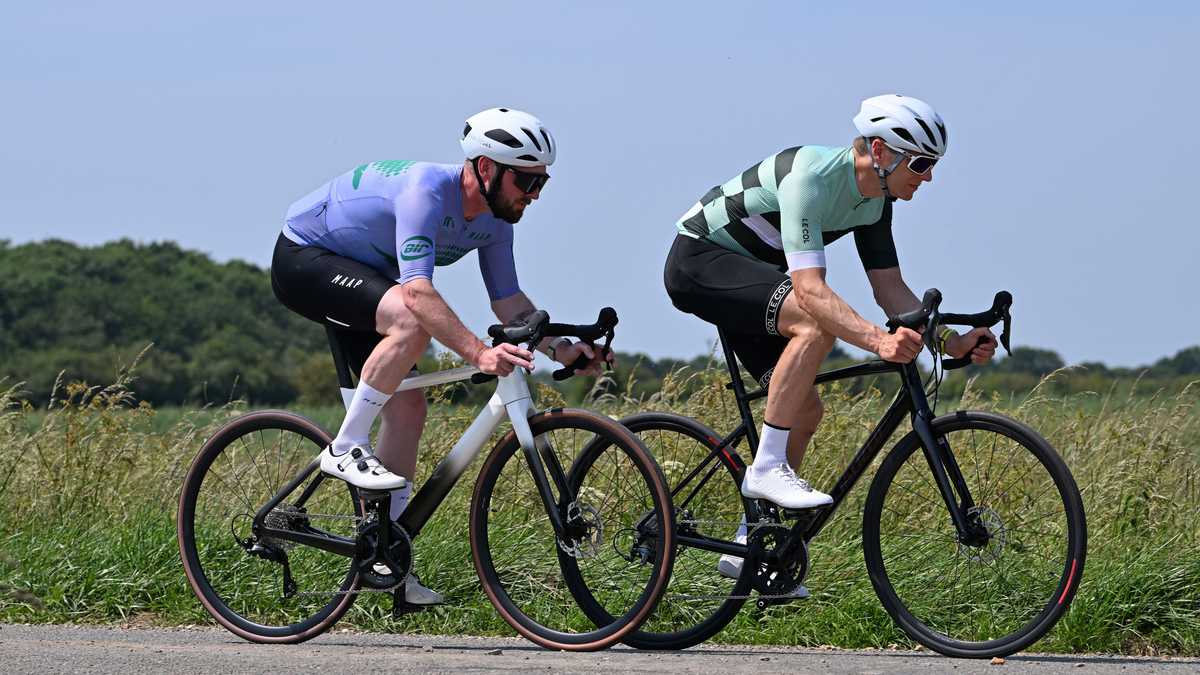
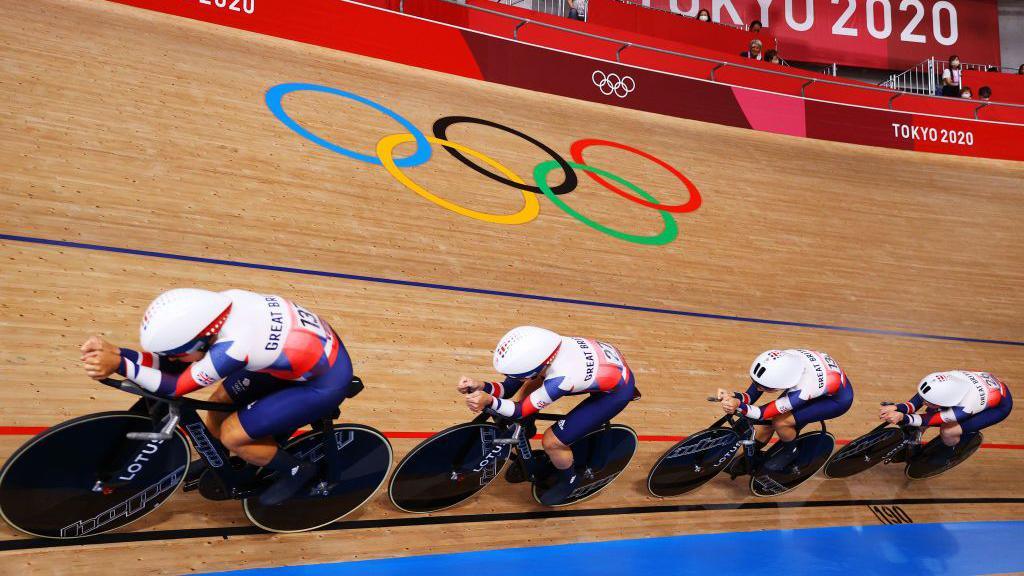
Gearing choices reflect stage profiles and rider specialities. Time trial stages push towards high-range gearing for sustained high speeds, while mountain stages require low gears to preserve cadence and limit physiological strain during long climbs. Fit and rider position are tactical decisions: a lower, more aerodynamic posture helps in breakaways and time trials, but overly aggressive positions can sap energy over the course of a three-week race. Teams set up riders to maximise their specialty — sprint lead-out riders in a compact, power-transferring posture; GC contenders in positions that balance aerodynamic efficiency with the ability to breathe and recover during successive hard days.
TOUR CONTEXT AND EQUIPMENT COMPROMISE
The Tour de France enforces a uniquely rich tactical environment: multiple stage types, simultaneous classifications (general classification and its yellow jersey, points and the green jersey, mountains and the polka-dot jersey, young rider and the white jersey), and defined team roles including leaders and domestiques. Because the race prize structure values different kinds of victories, equipment must reflect a compromise. A team chasing stage wins or the green jersey might favour wheels and tyres optimised for fast flats and sprint reliability; a GC-focused team prioritises muscularly predictable climbing performance and time-trial speed where large gaps are created. Breakaways and peloton control also influence choices: teams that need to control the race will deploy riders and gear that can deliver sustained pace and strong handling in crosswinds, enabling them to shepherd their leader safely through the week.
WHY THIS BIKE MATTERS
Reading a road bike in Tour conditions reveals how cycling sport actually works: equipment choices are part of a broader tactical system where stage profile, team roles and classification goals determine what matters. The Tour’s layered competition — stage types, the decisive role of time trials and mountain stages for GC, the energy economy enabled by drafting, and the tactical use of breakaways — makes the bike more than a tool for speed. It becomes a strategic asset chosen to fit a rider’s speciality, a team’s plan and the long arc of a three-week race. In that sense, modern road bikes for the Tour are compromises engineered to balance free-speed with durability, responsiveness with comfort, and individual performance with collective strategy.
Key takeaways:
- Equipment choices reflect the Tour’s multiple stage types and classifications, so there is no single perfect bike — only choices matched to tactical aims.
- Frame stiffness, weight and compliance are trade-offs designed to manage power transfer, climbing response and long-stage survivability.
- Wheels, tyres and braking systems are selected for predictable handling and serviceability across variable Tour conditions.
Author: Cynthia D.