Read the parcours: How to spot what makes a cycling event edition special
Every year the same race name returns to the calendar, but each edition can feel like a different beast. This article shows how to read the observable clues in a race — the parcours, calendar position and organiser choices — to understand what kind of edition you are watching and why that matters to teams, riders and fans.
Quick summary
The physical route, its specific sectors (cobbles, gravel, climbs, time trials) and where the race sits in the season combine to select riders and frame team tactics. Organiser choices deliberately steer an edition's character.
WHERE THIS EDITION SITS IN THE CALENDAR
Calendar placement determines how teams use an event: as a target in its own right, as a peak for a rider’s season, or as preparation for later objectives. Races held early in the year are often used as form checks or builders, while races placed closer to major championships or grand tours can become objective targets or final tune-ups. The calendar role shifts which teams and top riders prioritise the event and therefore changes the depth and nature of competition.
ROUTE DESIGN AND SPORTING PROFILE
The physical parcours — profile, number and placement of climbs, presence of cobbles or gravel, time-trial kilometres, and any finishing circuits — materially selects which riders are advantaged. Changes in those elements between editions can transform a race from a sprinters' prospect to a climbers' battleground or reward classics specialists instead. Observers and analysts focus on these elements because they predict where the race will be decided.
ORGANISER CHOICES AND EDITION IDENTITY
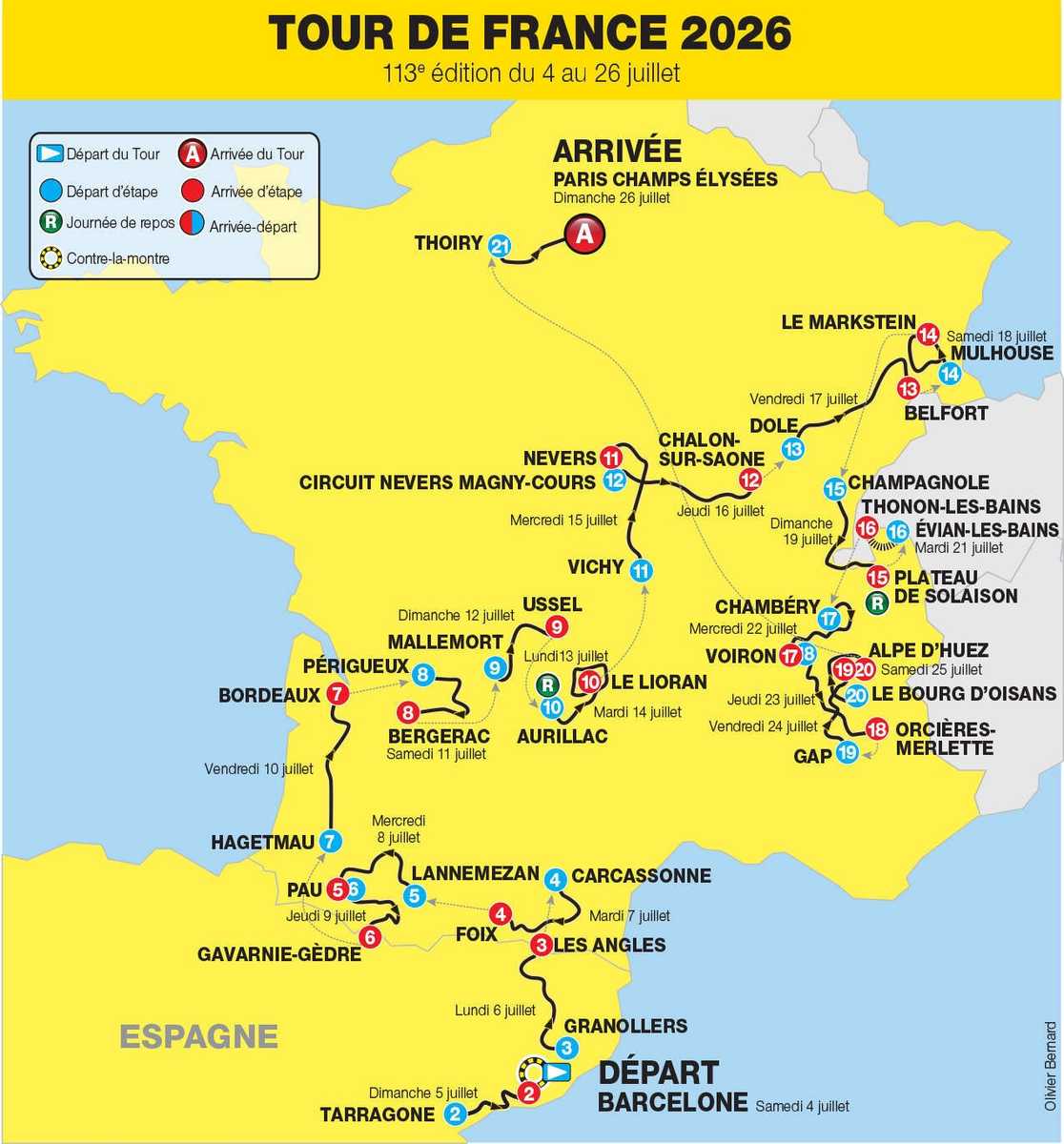
Organisers deliberately tweak parcours and stage towns to shape an edition's identity and publicity outcomes. Decisions such as introducing new sectors, altering cobbled stretches, placing a time trial late in the route, or choosing a Grand Départ are strategic: they can provoke specific sporting narratives and influence which riders arrive with the best chances.
WHAT MAY DECIDE THE RACE
Professional previews look for observable indices in the route to forecast decisive moments: key climbs, the length and placement of time trials, cobbled or gravel sectors, narrow approaches into finishes and finishing-circuit profiles. These features indicate where selections are likely, which teams will need to control the race, and what type of rider the parcours favours.

RECENT CONTEXT AND DEFENDING STORYLINES
Historic identity and recent route changes both matter. Races like Paris–Roubaix or Strade Bianche have earned reputations because specific recurring parcours features create predictable selection mechanisms. Yet year-to-year modifications in sectors or profile can shift which rider archetype is favoured, so the recent context of route tweaks is a vital part of understanding an edition.
PRACTICAL VIEWER GUIDE
To read an edition in real time, watch for a few practical indicators: where the hardest climbs or sectors sit (early, middle or late), whether a long time trial interrupts the climbing narrative, and how many technical sectors (cobbles, gravel) are concentrated near decisive stages. These observable clues allow fans to anticipate where attacks will succeed and which teams must defend.
WHY THIS YEAR’S EDITION FEELS IMPORTANT
An edition feels important when organiser intent, calendar role and clear route signals align to create a distinct sporting test. Whether through deliberate route innovation, the timing within the season, or a return to hallmark sectors, that alignment produces a recognisable edition identity that both shapes how teams prepare and how spectators interpret the sport as it unfolds.
Takeaway
Reading the parcours and knowing a race's calendar role gives you an analytic lens: you can predict which riders are favoured, which stages will be decisive, and how teams will allocate effort. That turns a calendar name into a meaningful edition story.
Author: Alex R.