How Stage 2 (Tarragona → Barcelona) extended opening-day tension and produced…
The second day of the 2026 Tour de France — a 168.5 km mass-start from Tarragona to Barcelona finishing on the Montjuïc circuit — did more than simply continue race motion after the opener. By bringing the peloton into repeated short, steep ascents inside a technical finish it prolonged the opening tension while already carving readable differences between pure sprinters, punchy climbers and protected GC riders. The combination of a rolling approach into Barcelona and the two hallmark climbs on the finishing laps defined where speed alone would not be enough: placement, timing and explosive power on short ramps did the selection work.
FIRST READING OF THE STAGE
At first glance the route reads as a classic early-Tour hybrid: a medium-length road stage that looks straightforward on distance but finishes on a selective circuit. The official distance — 168.5 km — conceals the real test: repeated circuits around Montjuïc with short, steep climbs such as the Côte du Château de Montjuïc (about 1.6 km at roughly 9.3%) and the Côte du Stade Olympique (~600 m at ~7%). Those figures underline the stage's DNA: not a summit finish but a punchy, repetitive finale that rewards riders with sharp accelerations and the ability to recover between efforts.
RHYTHM, SEQUENCE, AND ENERGY FLOW
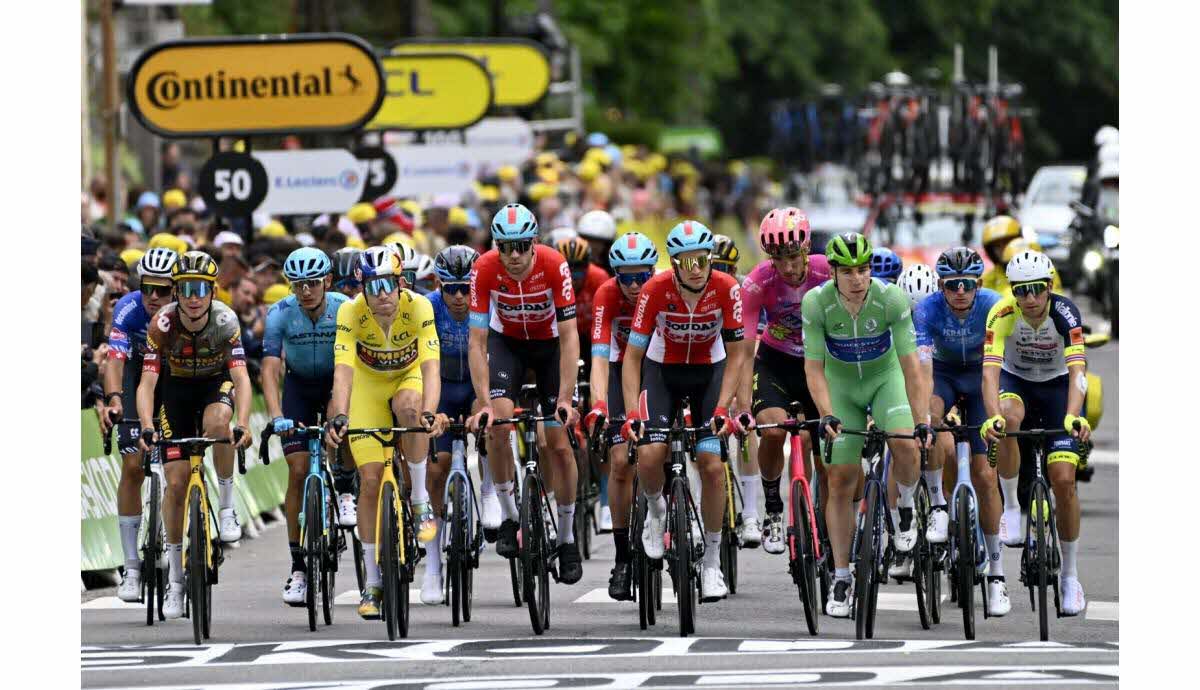
The energy logic is straightforward. Across 168.5 km teams will manage efforts to arrive fresh for the Montjuïc laps. The approach gives sprinter teams a chance to control, but the circuit’s rhythm — short uphill bursts followed by technical descents and tight corners — repeatedly interrupts the peloton’s ability to organize a sustained lead-out. That forces riders to distribute energy differently: conserve across the flat and undulating kilometres, but reserve high-power, short-duration efforts for the circuits where accelerations count. Repeated climbs shorten the margin for error: a single wasted effort or a poor position into the first climb compounds across laps.
CLIMBS, GRADIENTS, AND SELECTION POINTS
The two named climbs on the Montjuïc circuit act as the stage’s true selectors. Côte du Château de Montjuïc at roughly 1.6 km and near 9.3% average gradient is the primary hurt point: long enough and steep enough to hurt pure sprinters and to allow punchy climbers to force splits. The Côte du Stade Olympique, shorter at about 600 m and near 7%, is the classic springboard for accelerations — a place to launch a final move or to force rivals into reactive efforts. Because both climbs repeat on circuit laps, selection is cumulative: riders dropped on one passage find it exponentially harder to regain position on later ascents.
DESCENTS, TECHNICAL ROADS, AND ROAD FEEL
The Montjuïc laps are not only about climbing power. Between the ramps the route descends and turns, with technical corners that accentuate the importance of position and bike-handling. Handling confidence and the ability to accelerate out of tight turns matter as much as watts on the climbs: a misjudged corner or an inefficient line forces extra effort to rejoin, which is costly when the circuit soon ramps up again. The finishing sequence favors riders who can chain short efforts with sharp cornering and rapid reacceleration.
WIND, EXPOSURE, AND PELOTON FRAGILITY
This stage’s decisive features are internal to the circuit rather than wide open crosswind sectors. That said, any exposed sections on the approach or in Barcelona’s seafront areas can increase stress before the circuits begin; but the verified route detail points to Montjuïc’s repeated climbs as the decisive terrain. The peloton’s fragility is therefore more about repeated punch efforts and positioning pressure than classic crosswind echelons: it breaks where riders can’t maintain repeated high-power accelerations and where groups are forced to chase through technical terrain.

BREAKAWAY, GC, OR SPRINT?
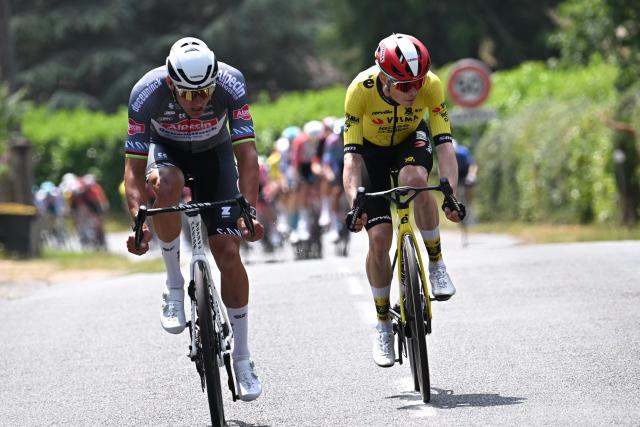
Stage 2 intentionally sits between scripts. The selective Montjuïc circuit tilts the finish toward punchy climbers and protected leaders who can follow accelerations — not a pure mass sprint. That dynamic explains how the day produced readable early GC gaps: bonus seconds at the finish (10" for the winner, 6" and 4" for the next riders) combined with the selective laps to create small but meaningful separations among contenders. In practical terms the stage invites a controlled approach from GC teams who want to protect their leaders’ position and from puncheur-type riders who can attack late, while pure sprinter squads must decide whether they have the legs to contest or to conserve for other days.
HISTORY, MEMORY, AND STAGE LEGACY
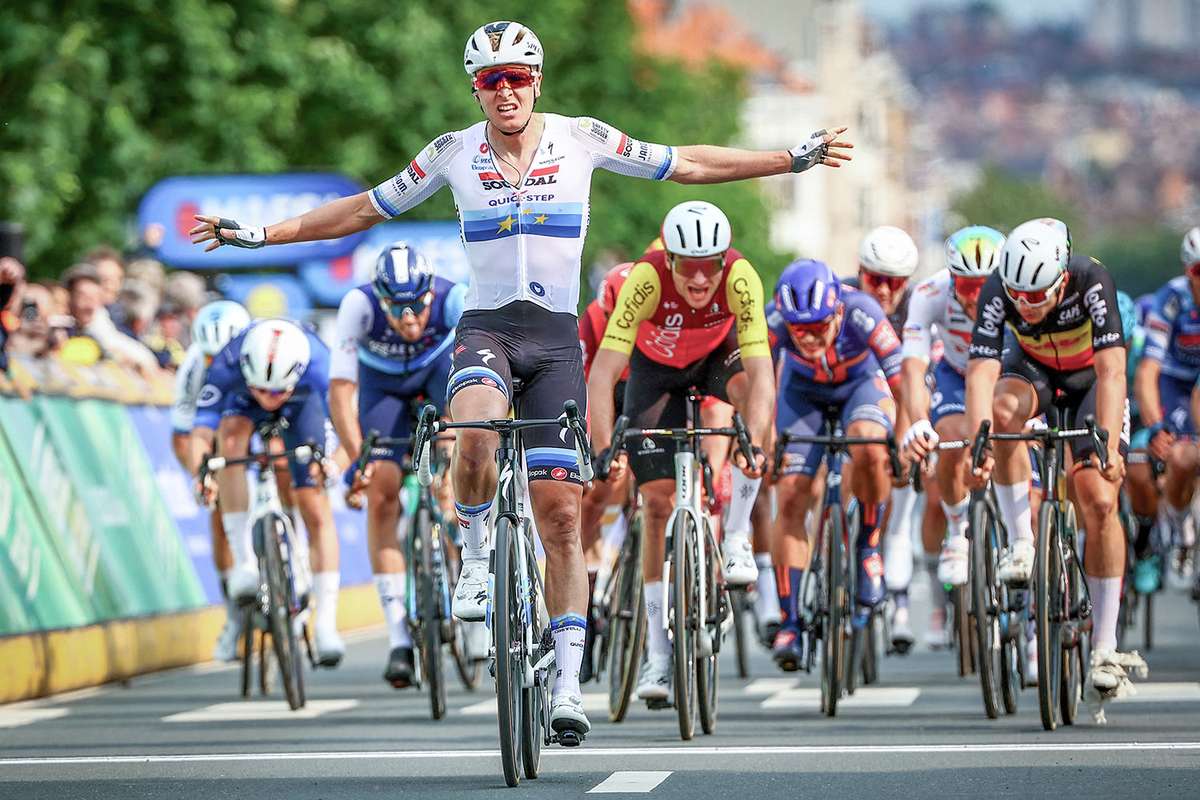
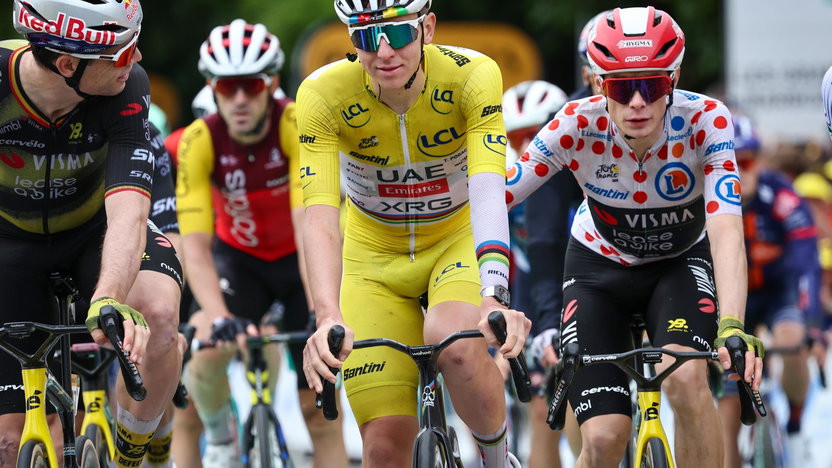
As Stage 2 of the 2026 race it functioned as the first mass-start test after the opener: a day that translated finale topology into early classification effects. The official outcome — Isaac Del Toro winning with Tadej Pogačar second and Remco Evenepoel third — and the application of finish bonuses demonstrates the stage’s capacity to separate punchy riders and protected leaders from pure sprinters. The Montjuïc circuit has historically favored explosive riders who can negotiate repeated short climbs and technical laps; this edition reinforced that pattern by producing GC-visible time differences on only the second day.
WHY THIS STAGE MATTERS
Stage 2 mattered because it translated a compact, broadcast-friendly circuit into a tactical sieve. The 168.5 km distance masked a finale that privileged placement, timing and punch over raw top speed. For teams and leaders it clarified early needs: protect position into the circuits, refuse unnecessary efforts on the run-in, and be ready to deliver or follow repeated short, high-power accelerations. The result — Del Toro taking the win with Pogačar and Evenepoel on the podium and bonus seconds applied — underlines the stage’s design purpose: to extend the opening tension while already drawing legible lines between sprinters, puncheurs and GC-protected riders.
Author: William L.