Mark Cavendish: the Tour sprinter decoded — placement, lead-out and terminal…
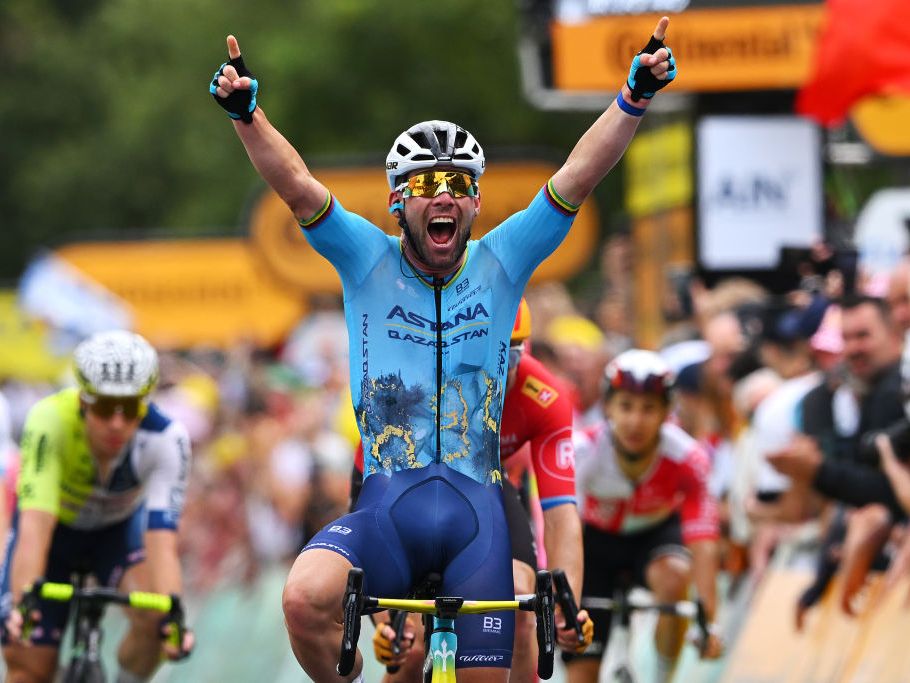
Mark Cavendish is best read, in Tour terms, not as a broad biography but as a specialist bunch sprinter. Team pages, media profiles and governing-body records classify him squarely among the fast finishers whose victories depend on explosive top-end speed married to disciplined positioning and an organised lead-out. This article explains that rider type in concrete racing and scientific terms: how a Cavendish-style sprint is constructed, which physical and tactical elements matter most, and why placement and the lead-out sequence can be as decisive as raw watts in the final metres.
FIRST READING OF THE RIDER
Across official profiles and cycling media, Mark Cavendish is described as a specialist bunch sprinter — a classic fast-finisher. That classification frames everything: his success is measured in high-speed, short-duration efforts at the end of flat or mildly rolling stages, where the peloton stays largely intact until a mass sprint. Understanding this rider means focusing on three intertwined components: maximal terminal speed, the lead-out and positioning inside the peloton. Each is essential and none alone guarantees victory.
CLIMBING SHAPE AND EFFORT STYLE
For a rider whose profile is a bunch sprinter, long climbs and sustained aerobic efforts are not the primary performance domain. The sprint specialist model emphasises short, high-power bursts driven by fast-twitch muscle and neuromuscular recruitment rather than long-threshold endurance. In Tour context this often translates into selective survival: staying within time limits and conserving energy on non-sprinter terrain so the explosive finishing capability is available on sprint days. The verified sources characterise Cavendish by his sprinting identity; they do not profile him as a long-climb specialist or GC contender.
TIME-TRIAL AND SOLO ENGINE
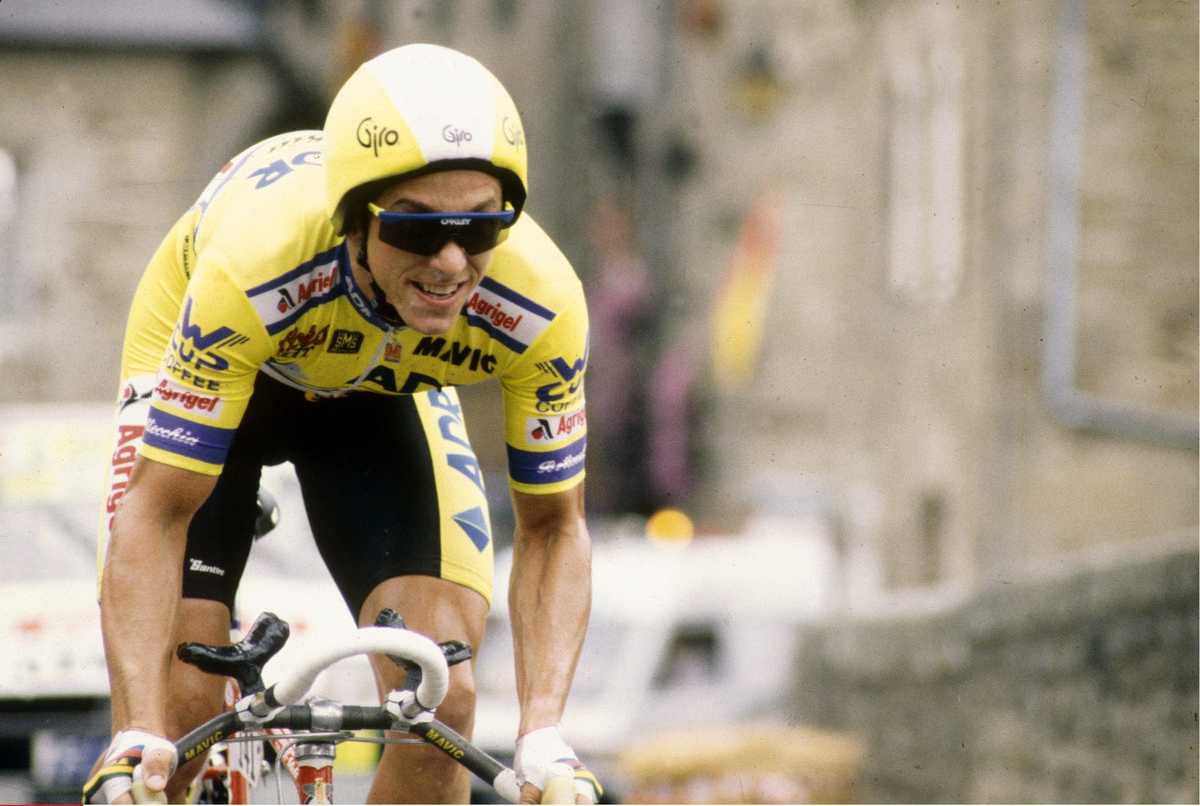
The bunch-sprinter archetype is defined in part by what happens when drafting disappears. Sprint science and coaching literature show that the ability to produce a short maximal effort alone — as in a time-trial or a late solo attack — is physiologically distinct from the terminal burst in a sprint train. For Cavendish-style sprinters the critical engine is the maximal, short-duration power used in the final 200–300 metres; sustained, lone efforts over many minutes are not the principal attribute cited in profiles and team descriptions. The sport-science sources emphasise phases and pacing specific to sprints rather than sustained solo time-trial pacing.
POSITIONING, PELOTON IQ, AND STAGE MANAGEMENT
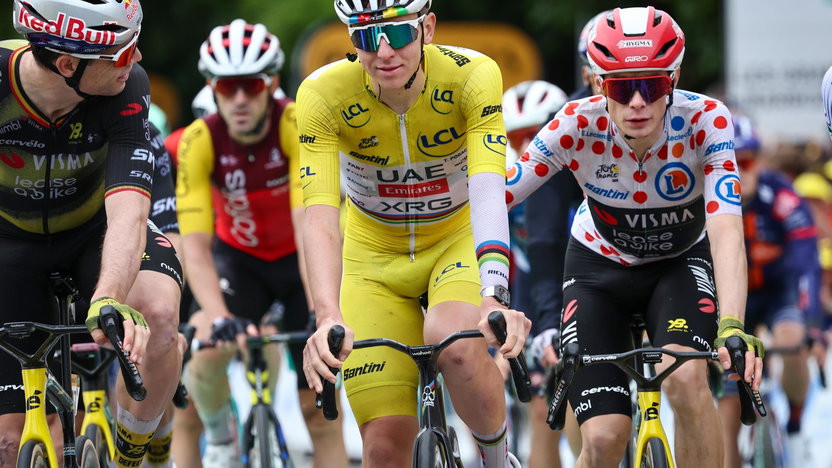
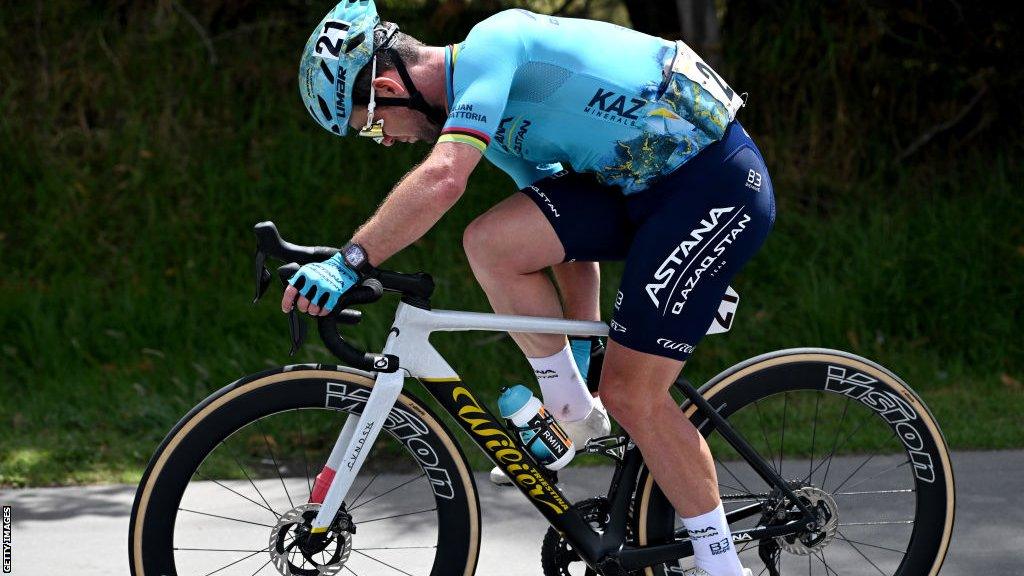
Media and coaching material repeatedly stress that sprint success depends critically on positioning, timing and the lead-out sequence as much as top-end speed. For a Cavendish-type finisher the ride through the final kilometres is a choreography: teammates form a lead-out, sheltering the sprinter from wind and delivering them into the last 200–300 metres in clear air at maximum cadence. The verified sources describe how lead-out riders create that platform and why positioning inside the peloton—avoiding being boxed, taking the right wheel, and timing the launch—is decisive. In short: finishing speed is only as useful as the position that allows it to be applied.
DESCENDING, HANDLING, AND BIKE-FEEL
While sprint specialists are judged mainly on their finishing, sprint days often involve high-speed technical approaches and fast descents that feed into the positioning battle. The broader sprint literature underlines the importance of bike handling in the hectic run to the line: choosing lines, holding wheels, and negotiating corners without losing momentum. These technical skills are necessary complements to the lead-out and final burst, enabling a sprinter to arrive at the launch point in an optimal place to use terminal speed.
THREE-WEEK DEMANDS AND FATIGUE-RESISTANCE
Stage-race consistency for a bunch sprinter is about managing cumulative load so the neuromuscular freshness required for repeated maximal sprints remains. The verified material frames Cavendish within the sprinter category, for whom recovery between sprint opportunities and surviving non-sprint stages in acceptable condition are practical necessities. Scientific discussions of sprint physiology highlight that repeated high-intensity efforts rely on careful energy management and team support across a Grand Tour rather than pure individual endurance metrics.
TEAM ROLE AND STRATEGIC VALUE
Profiles and team pages confirm that Cavendish’s success has historically been built around structured lead-out trains and dedicated lead-out riders. The relationship with specialists in that role is a defining tactical asset: lead-out riders create the aerodynamic shelter, set tempo and deliver the sprinter into the launch zone. Coaching interviews and media coverage explain how teams build those trains and apply sport science to optimise the timing and execution. For a Cavendish-style rider the team context is not optional background — it is a core component of winning strategy.
WHY THIS RIDER MATTERS IN TOUR TERMS
Reading Mark Cavendish as a Tour de France sprinter clarifies what to watch and why his successes read differently from climbers or time-trialists. His profile exemplifies a performance archetype in which explosive terminal speed, precision positioning and a committed lead-out train combine to create results. The science of sprinting — phases of lead-out, launch and terminal velocity; the role of drafting and aerodynamics; fast-twitch power and cadence — explains why victories in bunch sprints are team efforts as much as individual displays.
Key takeaways:
- Classified in official and media profiles as a specialist bunch sprinter focused on explosive terminal speed.
- Lead-out structure and positioning are as decisive as maximal power in the final 200–300 metres.
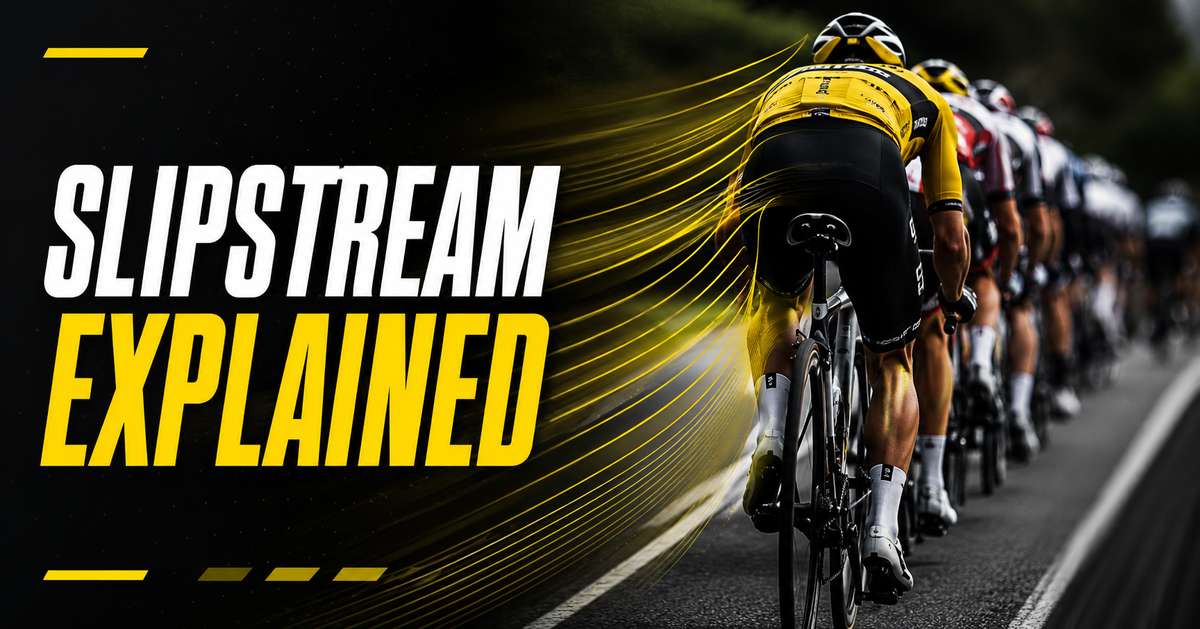
- Sport-science and coaching sources describe sprint phases and aerodynamic drafting that underpin a Cavendish-style finish.
Understanding this rider in Tour terms means evaluating finishing days through the lenses of positioning, team execution and the short, high-power physiology of sprinting rather than through long-climb or solo time-trial metrics. The verified coverage makes clear that Cavendish’s identity in the race is defined by that specialised, high-speed role.
Author: William L.