What Makes Great Tour de France Riders: Beyond a Gallery of Famous Cyclists
The Tour de France resists neat summaries. Success across three weeks is not explained by a list of famous cyclists or a single biometric like VO2max. Instead, Grand Tour performance emerges from a web of interacting factors: sustained power-to-weight on climbs, high time-trial power, the ability to repeat efforts under cumulative fatigue, precise daily recovery, and race intelligence backed by robust team structure. This article dissects those elements in concrete race terms so readers can judge riders by how they perform across terrain, time, and the unique stress of a three-week race.
First reading: the rider profile that matters most
Reading a Tour rider starts with role and physiological mix rather than labels. Grand Tour specialists combine three broad physical qualities: sustained high power-to-weight for long climbs, sufficient flat-out power to limit losses in time trials, and the capacity to deliver repeated high-intensity efforts across consecutive stages. A useful short checklist for assessing a candidate Grand Tour rider:
- Sustained watts per kilogram at realistic climbing durations (20–40 minutes)
- Threshold and time-trial power to survive non-climbing stages
- Repeatability: ability to produce multiple hard efforts when fatigue accumulates
Those three pillars are inseparable in practice: focusing on one without the others tends to produce specialists who win stages or week-long races, but not the overall three-week battle.
Climbing shape and effort style
On long Alpine or Pyrenean climbs the decisive quality is sustained power-to-weight over extended durations rather than short maximal spikes. Successful GC riders sustain high relative power for 20–40 minutes while managing their energy across the stage. That means pacing rhythm matters: a measured, steady diesel tempo preserves glycogen and reduces the need for repeated surges; conversely, riders who repeatedly respond to attacks must retain anaerobic reserves to match accelerations. The Grand Tour context rewards those who can both hold a high steady pace and still deliver selective accelerations when necessary.
Time-trial and solo engine
When the draft disappears, time-trial qualities become a deciding factor between riders with similar climbing numbers. Time-trial performance is not just peak power but pacing discipline, aerodynamic management and the ability to ride near threshold repeatedly after days in the legs. A GC-calibre rider typically couples sustained threshold power with efficient pacing to limit losses on flat stages and to convert time-trial advantage into overall gains. Thus, a rider who can produce high power alone and recover immediately afterward gains practical margin over rivals who are solely climbing specialists.
Positioning, peloton IQ, and stage management
Tactics determine how physiological attributes are translated into results. Good riders conserve energy through intelligent positioning—avoiding wind exposure, staying near team leaders on technical approaches, and choosing when to follow moves or let them go. Cooperation and opportunism in breakaways, plus accurate reading of opponents’ intentions, reduce wasted efforts over three weeks. Equally important is the ability to calibrate effort: a misjudged response on a mountainous transition or an early chase on a long stage can cost the reserves needed for a decisive day later in the race.
Descending, handling and bike feel
Descending and bike handling are practical differentials in a Grand Tour. Confident, controlled descending saves time and energy—riders who can take optimal lines, manage speed into corners, and limit unnecessary braking reduce the physiological burden by avoiding accelerations and re-accelerations after slow corners. In cumulative terms, better descending reduces overall caloric expense and mental strain, preserving freshness for climbing and time trials.
Three-week demands and fatigue resistance
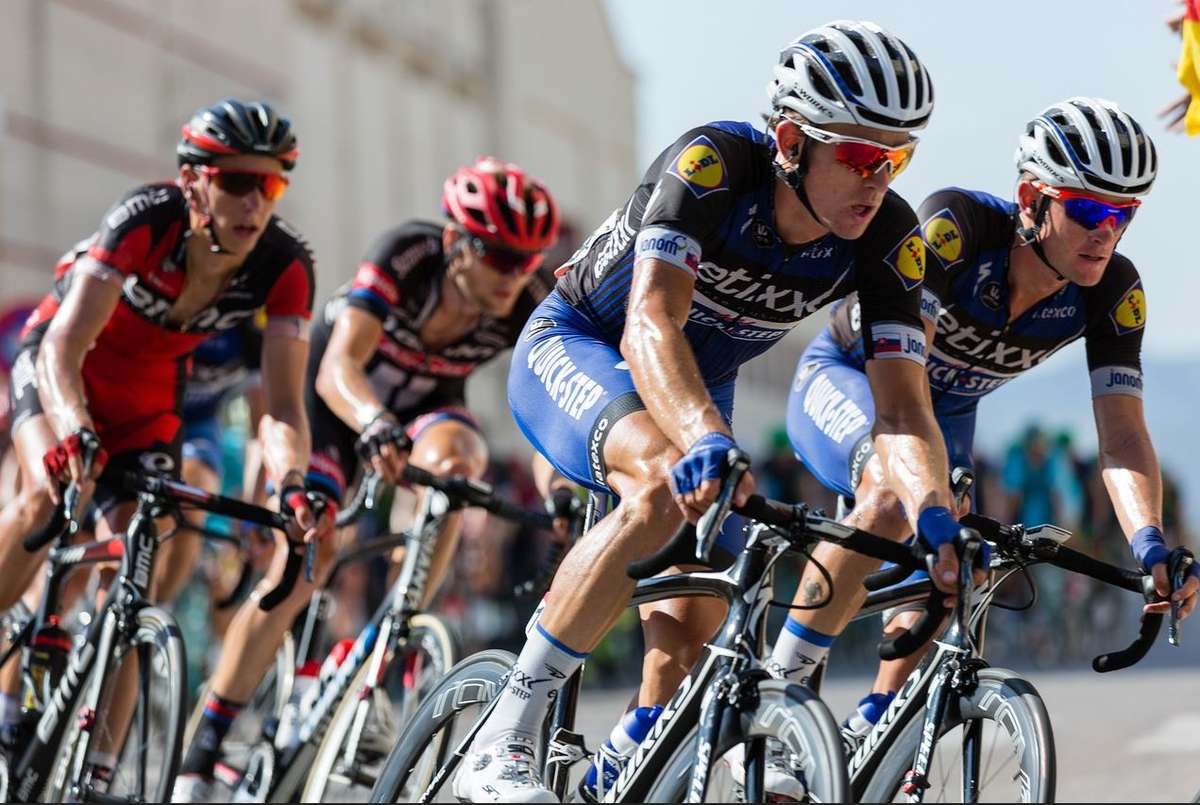
The single biggest separator between one-week stars and Tour contenders is recovery and fatigue management. Grand Tours generate sustained caloric deficits, immune stress and cardiovascular strain; managing those effects requires deliberate protocols: targeted nutrition (high carbohydrate intake, planned fuelling and iron monitoring), hydration strategies, sleep prioritisation and recovery interventions. Riders who maintain consistent power outputs across the second and third weeks typically combine physiological robustness with superior recovery practices implemented by their support teams. The science and team practice show that daily recovery capacity—not a single test result—predicts who can hold high levels of performance across 21 stages.
Team role and strategic value
Team structure converts individual quality into race outcomes. A strong domestique group shields a leader from wind, controls the peloton, paces on climbs, and supplies nutrition—actions that multiply an individual rider’s physiological advantages. Likewise, role specialisation over three weeks (dedicated domestiques, climbing lieutenants, rouleurs) is essential because it conserves the leader’s energy for decisive moments. The tactical organisation of a team across stages—when to chase, when to concede a breakaway, and when to set tempo—often determines whether a rider’s physical attributes translate into GC success.
Why this reading matters in Tour terms
Reducing great Tour riders to a gallery of famous cyclists misses the interaction of measurable physiology, consistent recovery, and race craft that produces three-week results. Grand Tour champions and consistent contenders are not defined by one standout number but by the blend of sustained climbing power, reliable time-trialling, repeatability under fatigue, intelligent positioning, and team backing. Understanding that mix explains why some riders shine for a single mountainous stage while others win or defend a lead across three weeks: the latter group manage energy, recovery and tactics in concert.
For readers and analysts, the practical takeaway is to evaluate riders on multiple axes: sustained power-to-weight, solo time-trial ability, day-to-day recovery metrics (as implemented by teams), race IQ in the peloton, and the structural support they receive. That multi-dimensional view is what separates lasting Grand Tour performers from those who are merely famous for single moments.
Author: Cynthia D.