How the UCI road universe shapes team strategy and seasonal objectives
The UCI road regulatory framework is more than an administrative backdrop: it actively moulds how professional teams plan seasons, compose rosters and race day tactics. From the hierarchy of events to the single points scale and participation obligations, these rules create predictable incentives that teams must convert into sporting choices.
Summary
The UCI publishes Road Race Regulations that define event categories, team licence types and participation rules. Changes to the points scale and to invitation rules alter how teams prioritise races and deploy riders.
What this article explains
- How event classification and the single points scale create calendar priorities.
- How WorldTeam obligations and ProTeam invitation rules force roster decisions.
- Operational consequences such as safety measures and minimum team composition.
WHAT KIND OF RACE THIS IS
The UCI road universe organises races into a clear hierarchy: WorldTour events sit at the top, followed by ProSeries and .1/.2 categories. That hierarchy is defined in the Road Race Regulations and governs everything from which teams are expected to attend to how many ranking points are available. For teams, a WorldTour race is not only a prestige target but a points and obligation node; lesser-ranked events are opportunities to gain points, exposure and results for riders who are not central to WorldTour programmes.
RULES, CLASSIFICATIONS, AND TIMING
The UCI Road Race Regulations set the legal mechanics: event classification, team licence categories (WorldTeams, ProTeams, Continental) and participation/roster rules. The UCI has moved to a single points scale for world ranking and WorldTour calculations, and has adjusted that scale to concentrate more points at top-level events and for stage placings. This creates a transparent timing logic: high-value events deliver bigger ranking returns, which in turn influence which races teams will target and how they distribute riders across the season.
TEAM TACTICS AND RIDER ROLES
Regulatory structure translates directly into tactical choices. WorldTeams have participation obligations in WorldTour races; they must plan rosters to meet mandatory appearances. That contractual duty forces teams to balance objectives: protecting general classification contenders, contesting sprints, or hunting stage wins while still fielding legal and competitive squads. ProTeams and Continental squads, constrained by fewer guaranteed starts, chase invitations and points in ProSeries and .1 races to improve ranking and secure future invitations. The result is distinct role allocation: some riders are season-long leaders aimed at high-point events, while others are opportunists deployed to smaller races where the team can realistically collect points and visibility.
TERRAIN, WEATHER, AND DECISION POINTS
While the UCI framework does not prescribe terrain, the classification of an event influences how teams approach its physical challenges. Higher-category events attract deeper fields and more committed rivals, which raises the tactical cost of risky moves in crosswinds or mountain stages because rivals are incentivised to control outcomes that deliver high points. Conversely, in lower-category races smaller teams may animate terrain-based strategies—breakaways or aggressive climbs—to gain stage wins and valuable points that improve their ranking and invitation prospects.
FEEDING, ENERGY, AND PHYSICAL MANAGEMENT
The regulatory universe also shapes operational practice. Minimum team composition rules for non-WorldTour events and calendar spacing drive how teams manage rider workload across the season. Because the points scale rewards selective peaks, teams will often prioritise rider freshness for target races dictated by the calendar and obligations, using lesser events for form-building. In addition, UCI safety measures and medical rules can alter in-race behaviour and logistics—teams must incorporate these constraints in feeding and neutral-zone procedures to avoid penalties or safety breaches.
HOW A RACE DAY OR RACE WEEK UNFOLDS
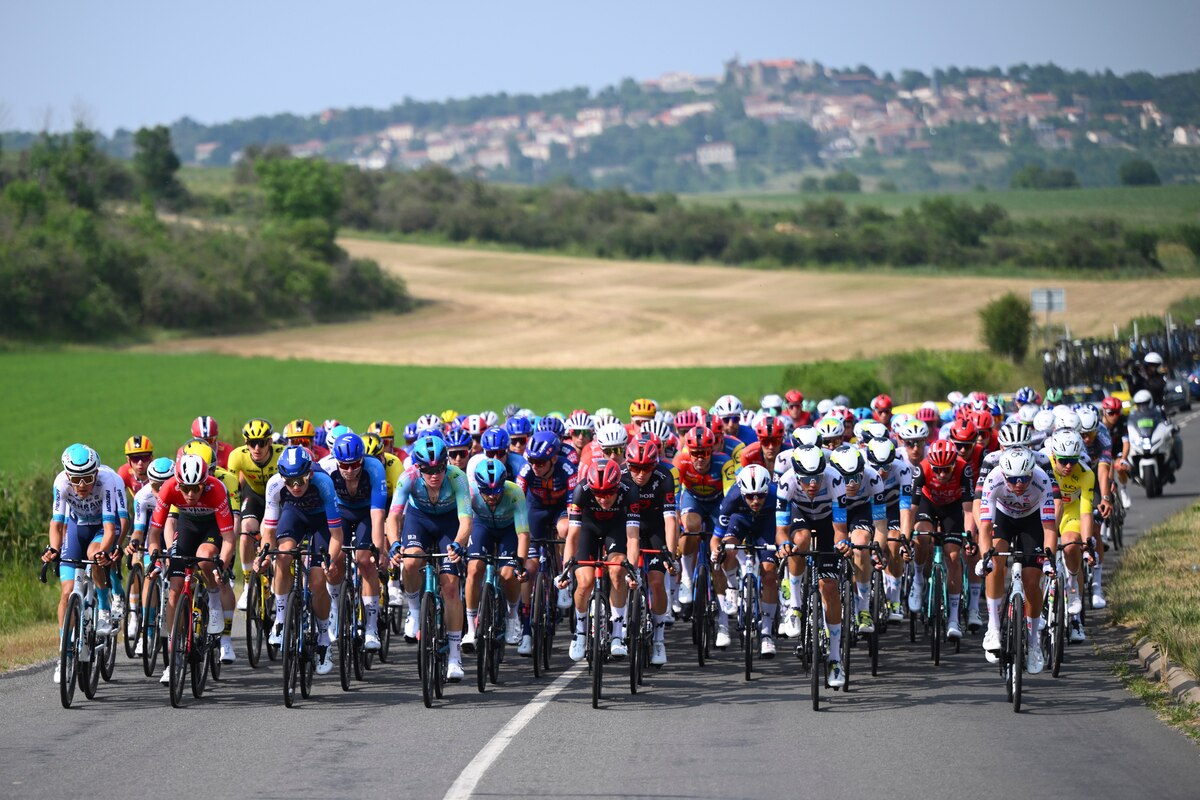
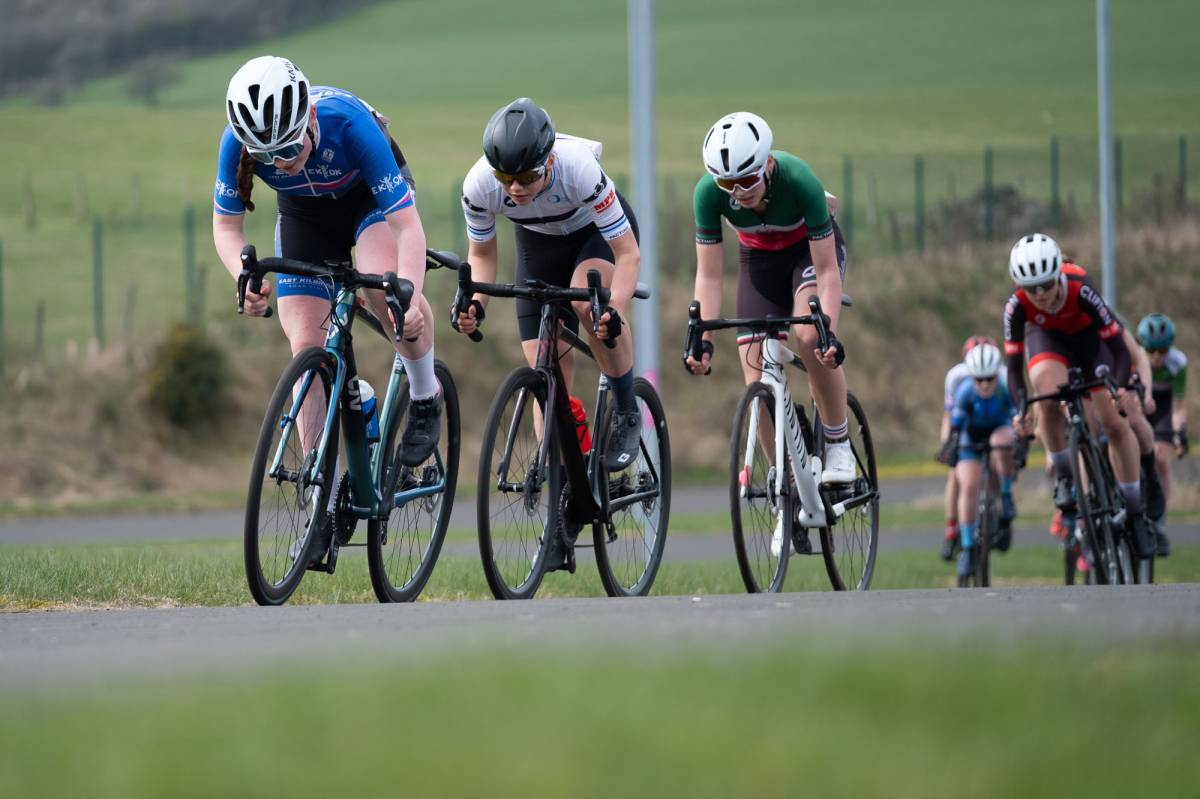
A race day is the junction of regulatory reality and tactical execution. For WorldTour events, WorldTeams are expected and usually bring full-strength squads; organisers and teams operate within UCI-defined roster rules. ProTeams that secure invitations may treat the same day as a chance for exposure, sending riders to animate the race and chase points. Across a race week, the calendar and obligations determine when teams rest, target specific stages for points, and rotate riders to meet both competitive and regulatory requirements.
WHAT FANS SHOULD WATCH FOR
To follow a race intelligently, watch how event classification influences behaviour: stronger control and fewer successful long-range breakaways in high-point WorldTour races; more open, opportunistic racing in lower-ranked events where ProTeams can gamble for points and invitations. Notice roster choices and who is preserved for high-value dates—these reveal season objectives mandated or incentivised by UCI rules. Also observe operational changes tied to UCI safety measures: conservative riding near neutral zones and closer team coordination around feed zones and medical procedures.
WHY THIS RACE WORKS THE WAY IT DOES
In short, the UCI regulatory framework creates predictable incentives. Event classification determines points on offer; the single points scale concentrates value at top races. Team licence types and participation obligations force resource allocation across the calendar. Invitation rules tied to ProTeam rankings change the calculus for smaller squads seeking exposure. Finally, safety and medical regulations impose operational limits that shape in-race decisions. Together, these rules turn a season into a strategic puzzle: teams must convert regulatory incentives into tactical choices on the road.
Author: Cynthia D.