What a Major Road Race Reveals About Roles, Peloton Fragility and Terrain
A major road cycling race is a live laboratory where team architecture, rider roles and the route itself interact to create decisive moments. This article explains, using evidence-based tactical logic, how the distribution of roles, the moments when the peloton becomes fragile and the terrain features force teams to show their hands—and how that shapes the race outcome.
Summary
Professional teams assign clear roles (leader, domestique, climber, sprinter, road captain). Crosswinds, narrow roads and climbs are the classic moments when the peloton can split; those moments force teams to expend helpers, reveal intentions and reshape daily strategy.
Reader preview
- How role distribution translates into in-race services and measured helper outputs.
- Which race situations most commonly create splits and why teams respond the way they do.
- Practical cues for watching a stage and understanding when a team is committed or bluffing.
WHAT KIND OF RACE THIS IS
When we talk about a "major road race" in this context we are considering stage races and grand-tour-style events where teams bring distinct hierarchies and varied specialists. The verified literature frames these events as tactical ecosystems: teams enter with protected leaders for overall goals and designated helpers whose job is to deliver services tailored to stage profile. The race format—multiple stages over variable terrain—makes the allocation of effort and the choice of which rider to protect central to each day's plan.
HOW A RACE DAY OR RACE WEEK UNFOLDS
Across stages the same team will adapt its internal plan: on flat days sprint-capable riders are sheltered and positioned; on mountain days climbers and general classification (GC) contenders receive protection. Road captains and sports directors translate pre-race goals into in-race decisions, instructing domestiques when to shelter leaders, when to chase breakaways and when to set tempo. Academic and journalistic work confirms that helper contributions are measurable and vary systematically with terrain—teams commit different resources depending on whether the stage profile favors breakaways, bunch sprints, crosswind action or summit finishes.
RULES, CLASSIFICATIONS, AND TIMING
Although specific points or bonus schemes differ by event, the structural implication is consistent: classifications create incentives that shape tactics. Leaders and teams prioritise stages and moments that best protect or advance their classification aims. Data-driven research shows that helper output and leader protection are quantifiable across stage types, which explains why teams selectively expend domestique energy when the time gains or time losses are most consequential.
TEAM TACTICS AND RIDER ROLES
Teams assign defined roles—leader, domestique, climber, sprinter, road captain—and those roles manifest as concrete services. Domestiques provide shelter to save aerodynamic energy, pace-setting on climbs, fetch bottles at feeding zones, chase or control breakaways and offer mechanical help. Road captains make tactical calls on the road, deciding when to push, when to concede an escape and when to protect a leader. Teams with multiple strong riders can play flexible strategies: either protect a single designated leader or "run multiple cards" by allowing several riders to seek opportunities depending on the stage profile.
TERRAIN, WEATHER, AND DECISION POINTS
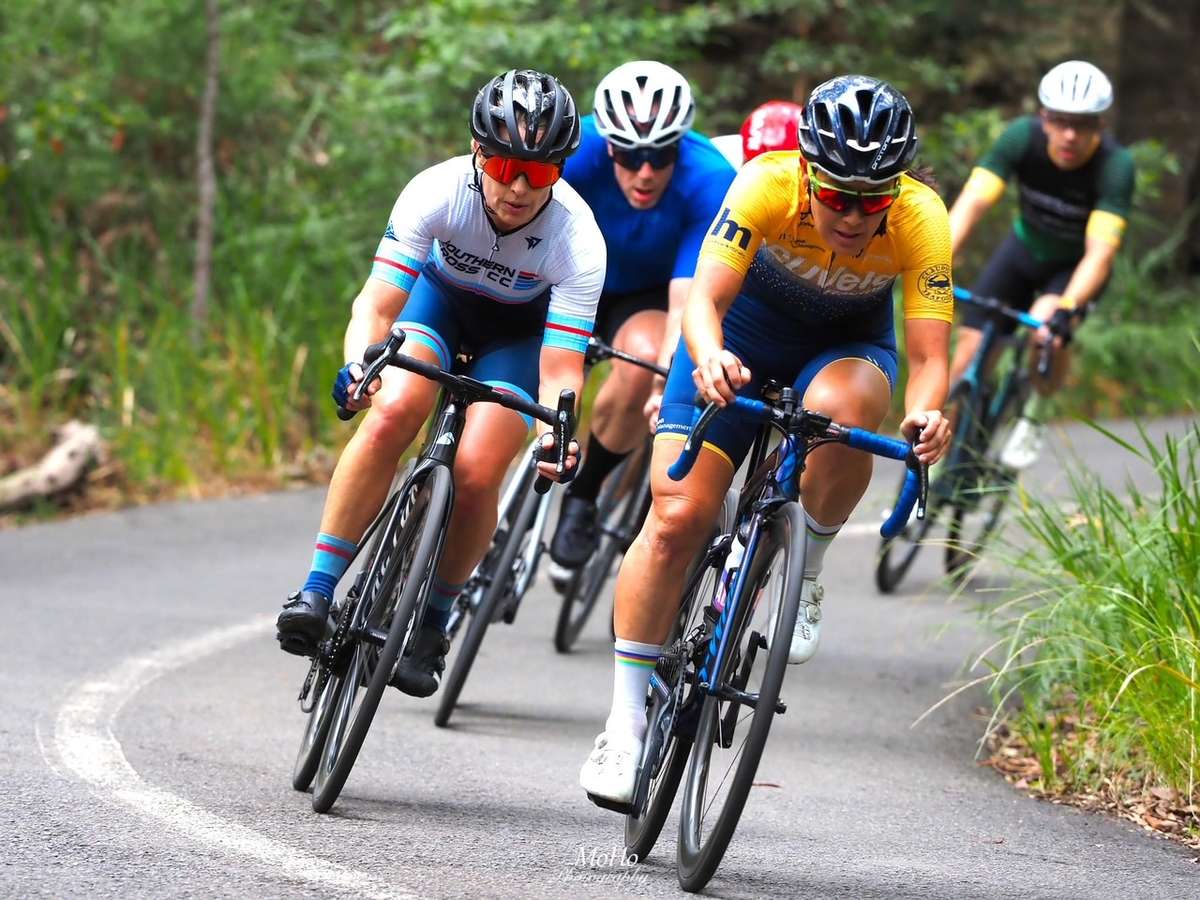
Certain features reliably create peloton fragility. Crosswinds on exposed roads form echelons that can split the bunch; narrow or technical roads increase the cost of being poorly positioned; steep climbs and sharp accelerations expose weaker riders and isolate leaders. Journalistic stage reports and director interviews regularly identify the precise moment a team "revealed" its tactics—moving to the front into a crosswind or accelerating just before a climb to force selections. The practical consequence: teams must choose where to invest domestique energy to either create an advantage or limit loss.
FEEDING, ENERGY, AND PHYSICAL MANAGEMENT
Helper work is a measurable allocation of physical output. Domestiques time feeding and bottle exchanges to minimise disruption for protected riders and maximize energy conservation. Modern analyses, including Bayesian and productivity studies, confirm that these energy-management choices are terrain-dependent: riders expend more energy in stages likely to produce significant time gaps. That measured approach explains why teams save resources on transition stages and concentrate them on decisive mountain or crosswind days.
WHAT FANS SHOULD WATCH FOR
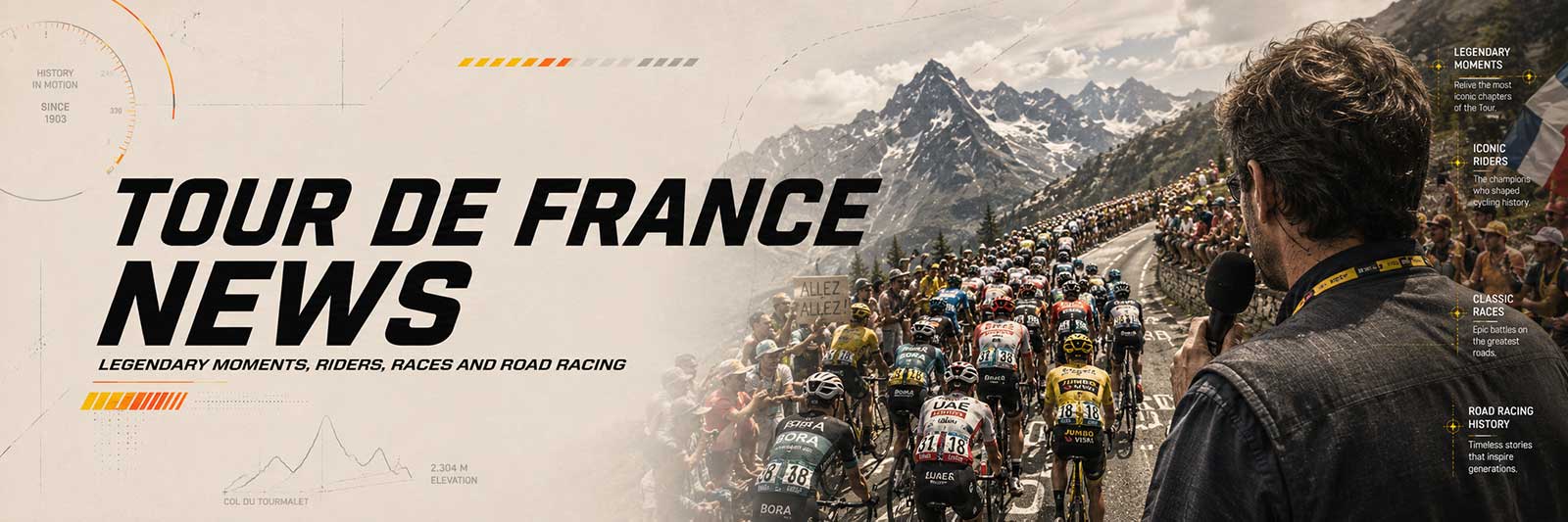
To follow a race intelligently, watch for who is doing the work at the front and when helpers disappear from the group—these are signs a team has committed. Notice positioning before likely fragility points: poor placement before a crosswind sector or technical descent often presages time loss. Also watch which teams are able to rotate helpers to shelter a leader versus those that must use all domestiques to chase; the latter are effectively revealed. Finally, tactical reveals often come from sudden tempo changes ahead of climbs or in narrow sectors—those are the moments that separate strategic intent from bluff.
WHY THIS RACE WORKS THE WAY IT DOES
The interaction of structure, roles and terrain explains why a major road race evolves as it does. Classifications create incentives; team roles supply the operational means; and fragile moments created by terrain force decisions that convert those incentives into observable actions. Evidence-based analyses and reporting converge on the same point: the race is decided less by abstract rules than by the timing and distribution of physical help, the matching of resources to terrain and the tactical choices made when the peloton becomes fragile.
Author: William L.