What is drafting in cycling — how slipstreaming saves energy and shapes the…
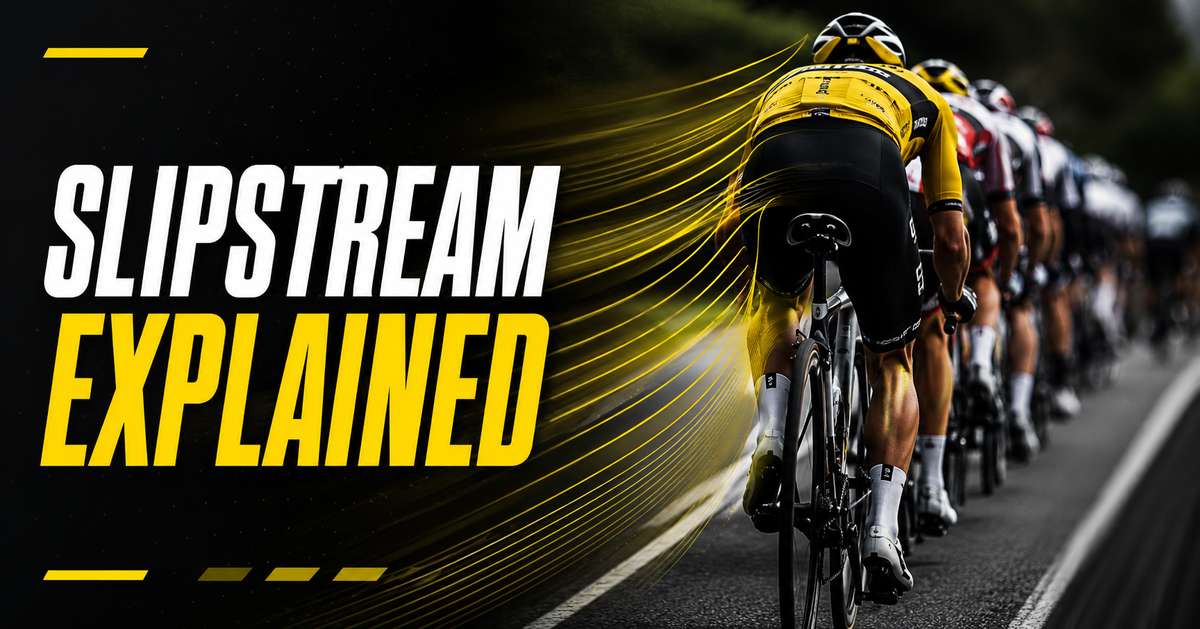
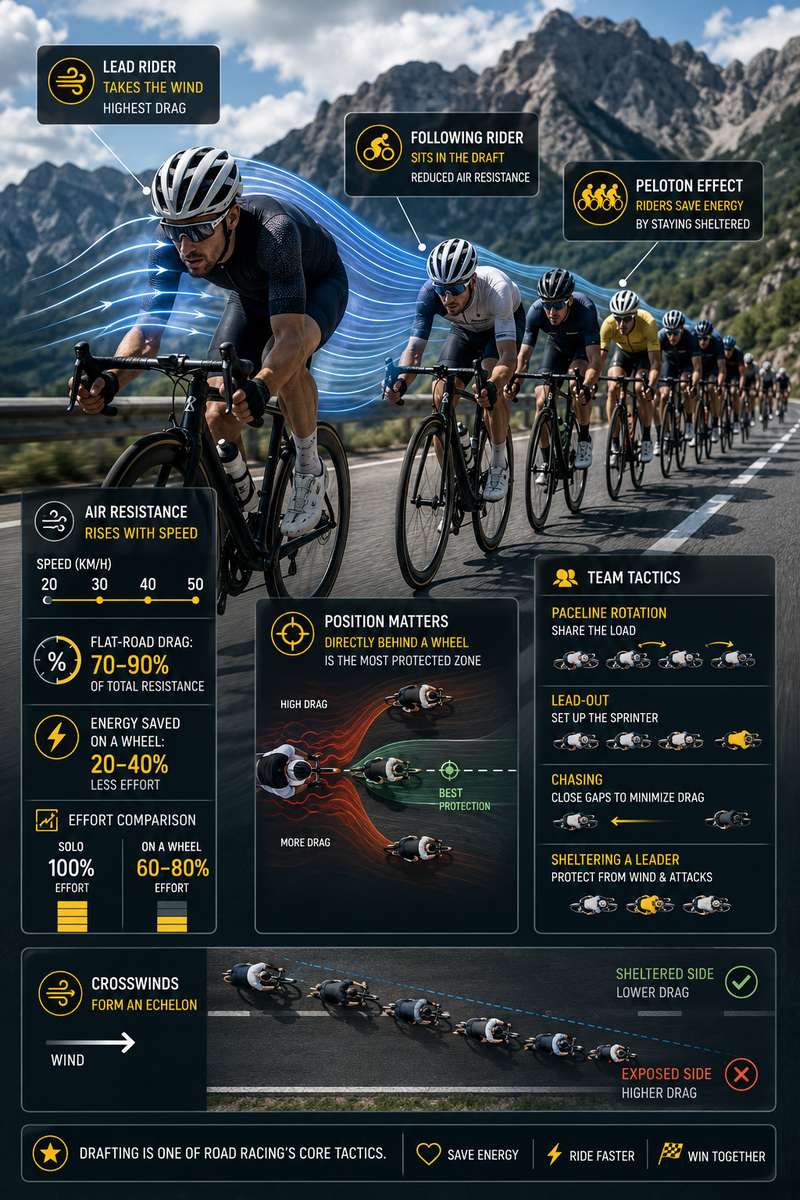
Drafting — often called slipstreaming — is a core aerodynamic tactic in road cycling. Riding closely behind another rider places you in their wake and reduces aerodynamic drag, saving significant energy. That simple physical effect helps explain why pelotons form, why teams rotate on the front, and why position on the road can decide a stage or a Tour de France general classification battle.
Quick summary: Drafting reduces aerodynamic drag by riding in another rider's wake. Savings vary widely — roughly 25%–65% for a single rider directly behind another — and can be much larger in a dense peloton. Benefits fall on steep climbs and change with wind, spacing and formation.
Quick access: Definition•How it works•Tactics & team strategy•Fan viewing guide
Clear definition
Drafting in cycling is an aerodynamic technique where a rider positions closely behind another to ride in the lead rider's wake and experience reduced aerodynamic drag. The technique is also called slipstreaming. In plain terms: the front rider breaks the air, and the follower uses less power to maintain the same speed.
How it works (physics and measured effects)
Aerodynamic drag is the dominant resistance at racing speeds on flat roads. Tests using wind tunnels, computational fluid dynamics and field measurements show drafting benefits depend on rider geometry, spacing, formation and speed. For a single rider tucked directly behind another, reported power savings typically range from roughly 25% to 65% depending on conditions and measurement method.
In large, dense pelotons the effective aerodynamic exposure for riders deep inside the group can drop substantially. Peer-reviewed studies and simulations report very large reductions compared to a solo rider — sometimes reducing drag to only a small fraction of solo drag — which is why riders in the middle or rear of a bunch expend much less power to hold the same speed.
Why drafting matters in cycling and the peloton
Drafting underpins nearly every tactical decision in road racing. Because it can save large amounts of energy, teams and riders exploit shelter to protect a leader, to recover between efforts, and to delay fatigue across a long stage or a three-week Grand Tour. The dramatic drag reduction inside a group explains why the peloton often stays together and why breakaways need help from teammates or favourable conditions to succeed.
Tactics and team strategy
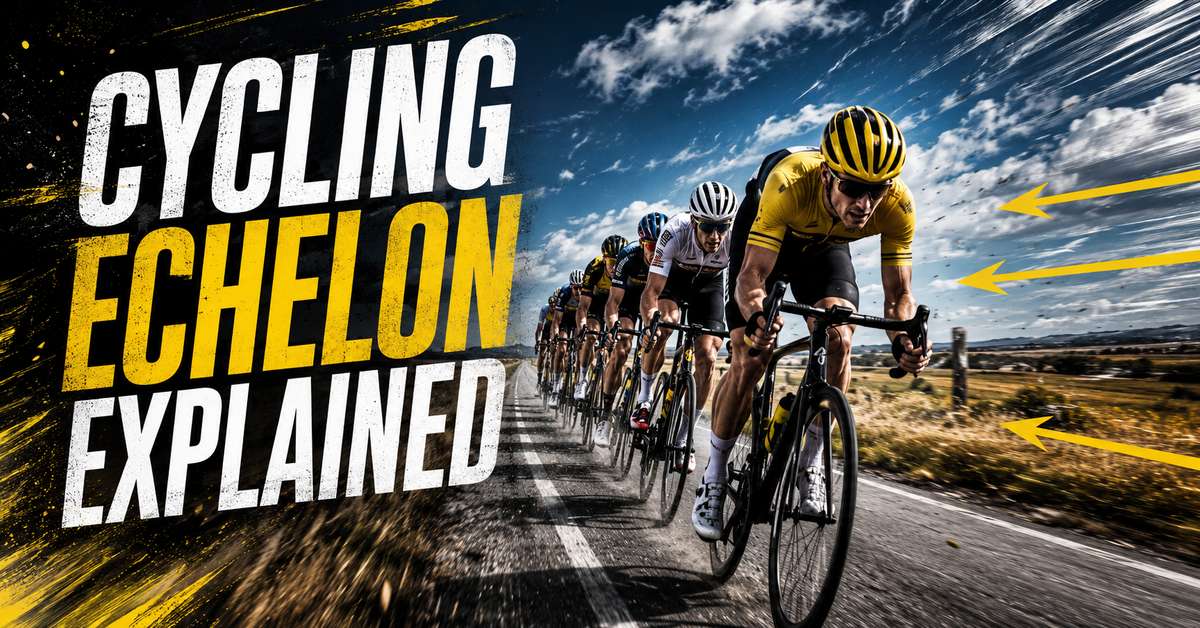
Teams share the cost of front exposure by rotating riders to the front and then drifting back to recover in the slipstream. Domestiques (support riders) frequently pull long turns to shelter a leader from wind. When crosswinds are present, teams deliberately form echelons — diagonal lines that maximise shelter from the wind — because a correctly placed rider in an echelon gets far more protection than a rider stuck on the exposed side.
Race tactics also exploit the limits of drafting. Because benefits decline on steep climbs and at low speeds, climbers often attack on uphill sections where the shelter advantage is smaller. Conversely, a well-timed acceleration into a crosswind or the front of the bunch can force rivals to use larger power spikes and create splits.
Terrain and equipment effects
Drafting benefits are context-dependent. On flats and descents at high speed the aerodynamic advantage is largest; on steep climbs, where speeds fall, the benefit can be much smaller and sometimes negligible. Equipment and rider position influence the wake and therefore the drafting effect: rider geometry, wheel choice and frame aerodynamics change how much shelter a following rider experiences. Aerodynamic research quantifies these influences using controlled tests and simulations.
Position, effort and race consequences
Position in the bunch matters in two contrasting ways. Riders at the front do more sustained work because they take the wind and 'pull' the group; that exposure means front riders burn more energy over time. Riders at the back enjoy more shelter but perform more frequent high-intensity accelerations when the pace surges, which raises overall energy cost despite lower average power.
These trade-offs explain why managers and directors value precise positioning: being too far back when echelons form or when the pace rises can leave a rider suddenly dropped or minutes behind — a decisive disadvantage in general classification battles.
Safety and common misunderstandings
Riding tightly to gain shelter increases the risk of crashes — small errors at high speed in a dense peloton can cause pile-ups. Beginners sometimes think drafting only means following directly in another rider's wheel; in practice formations, lateral spacing and wind angle matter. Also, drafting benefits are not fixed numbers: the wide reported range (about 25%–65% for single-rider drafting) reflects real variation with speed, spacing and environment.
Fan viewing guide: what to watch on screen
Watch how teams protect their leader on flat approaches to sprint finishes, how domestiques rotate on the front to control a chase, and how echelons slice the peloton across a windy plain. On climbs, notice how the bunch stretches and drafting advantage reduces — decisive attacks often happen where shelter matters least. Understanding drafting makes time gaps and group behaviour more readable: a small-looking split in a crosswind can become a race-winning margin if riders lose the shelter of the peloton.
Closing interpretation
Drafting is the aerodynamic grammar of road racing. It explains why riders cluster, why teams choreograph front rotations, and why position — not just raw power — often decides outcomes. For fans, recognising when drafting is available or denied (through terrain or wind) reveals the invisible mechanics behind attacks, splits and the rhythms of a stage or a Tour de France.
Author: Eric M.