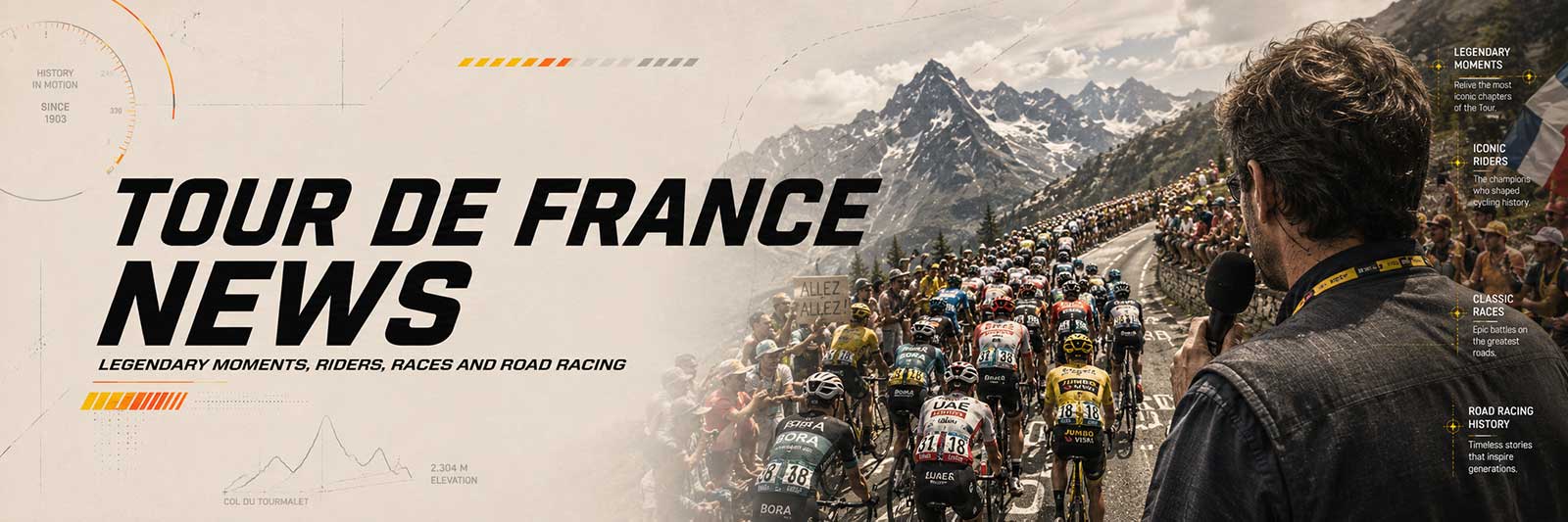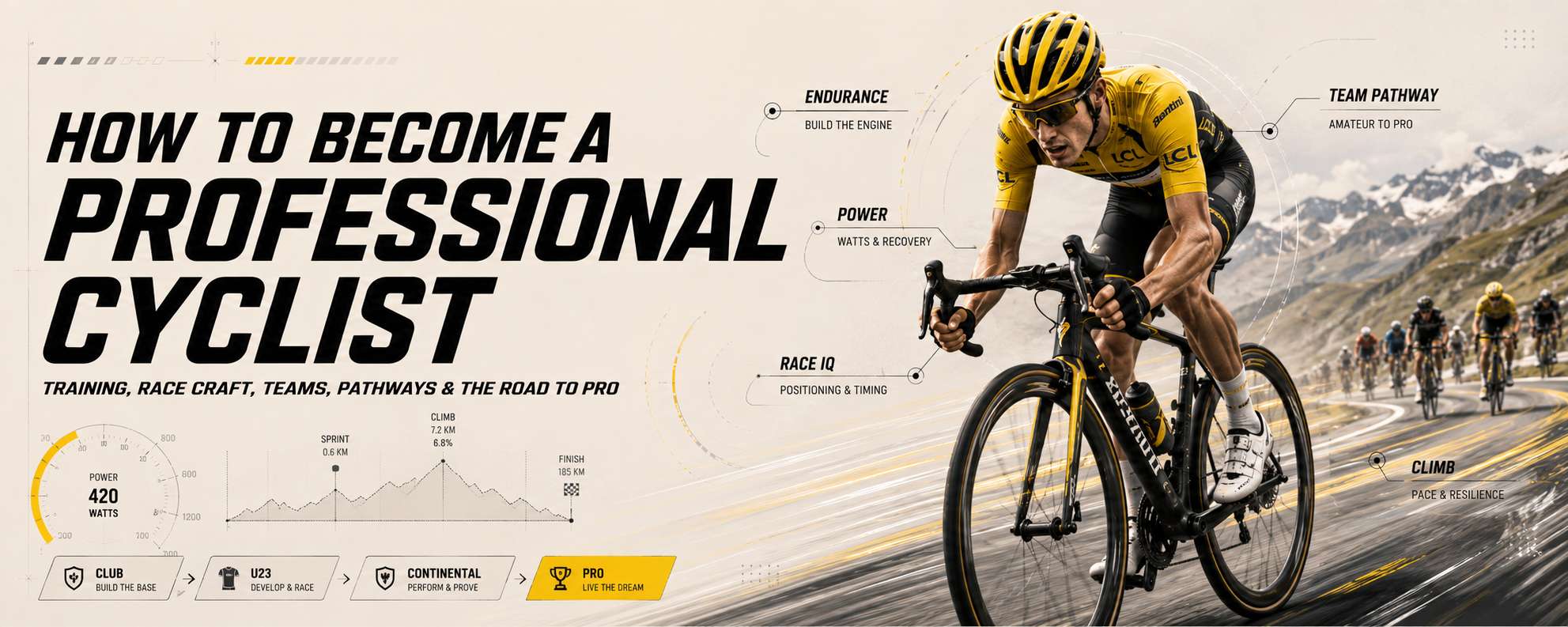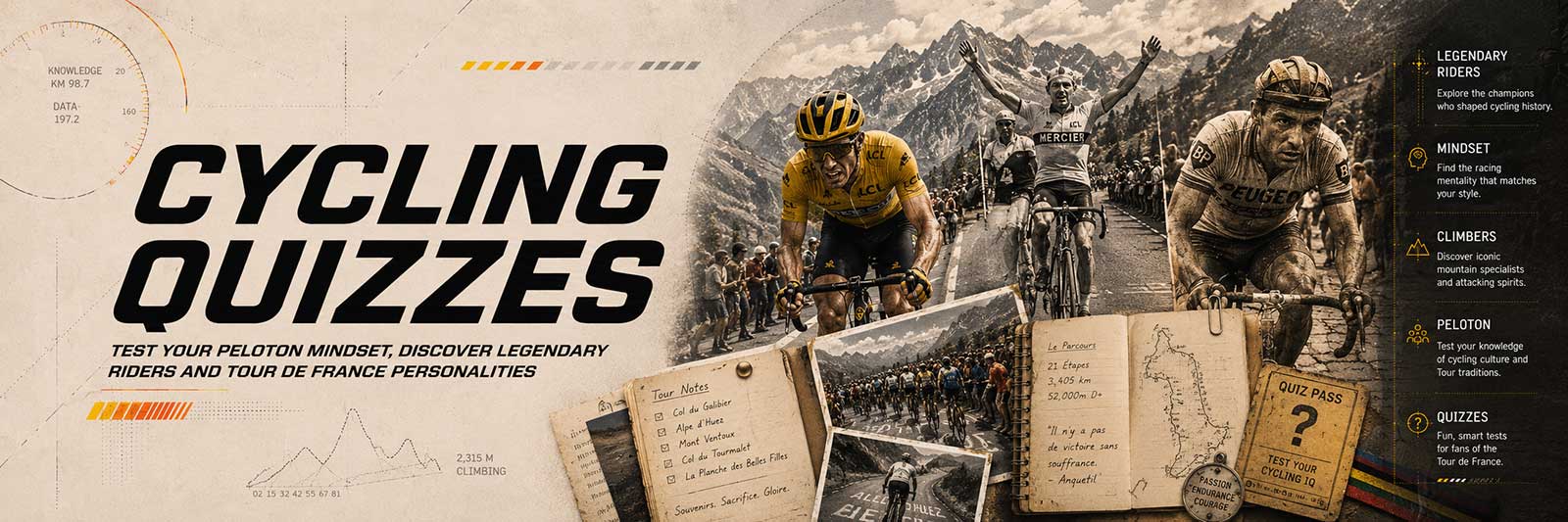
Tour de France jerseys explained: Yellow, Green, Polka-dot and White
The four principal Tour de France jerseys are more than colourful clothing — they signal who is leading key battles inside a three-week race and they shape team tactics day by day. This guide to "Tour de France jerseys explained" lays out what each jersey represents, how the competitions work in general terms, and why teams change how they ride when a jersey is at stake.
Quick summary: The yellow jersey marks the overall race leader by cumulative time; the green jersey rewards points for stage finishes and intermediate sprints; the polka-dot jersey rewards points on climbs; the white jersey recognises the best young rider in the general classification.
Quick access: What they mean•How they work•Tactics and team strategy
Clear definition
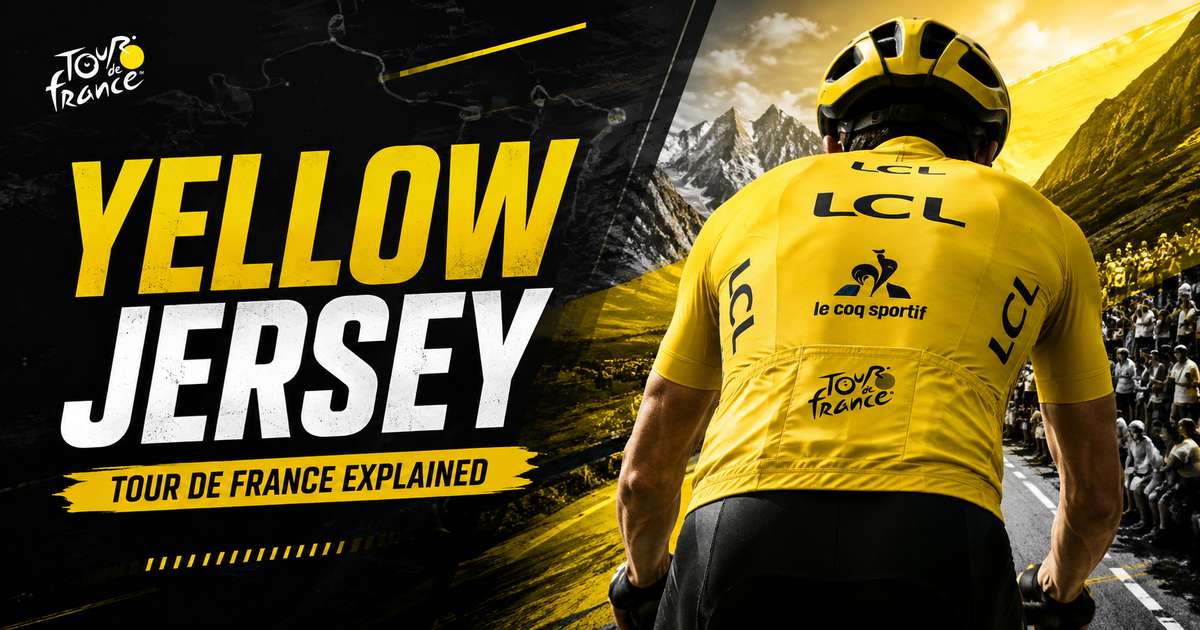
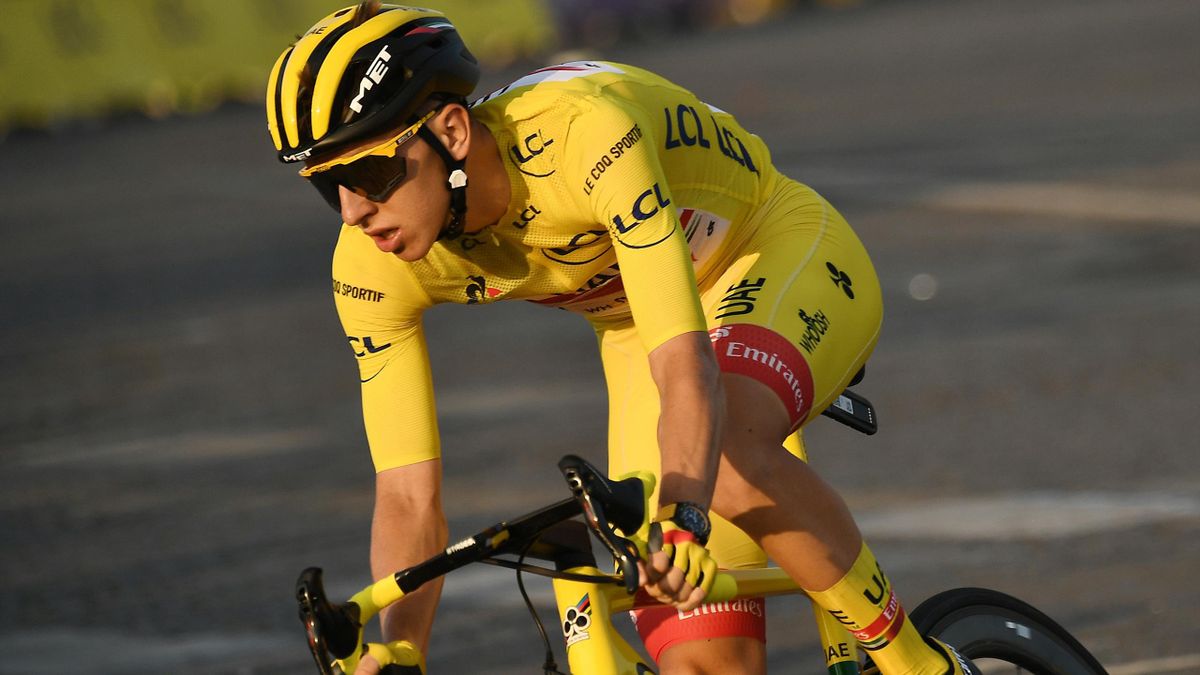
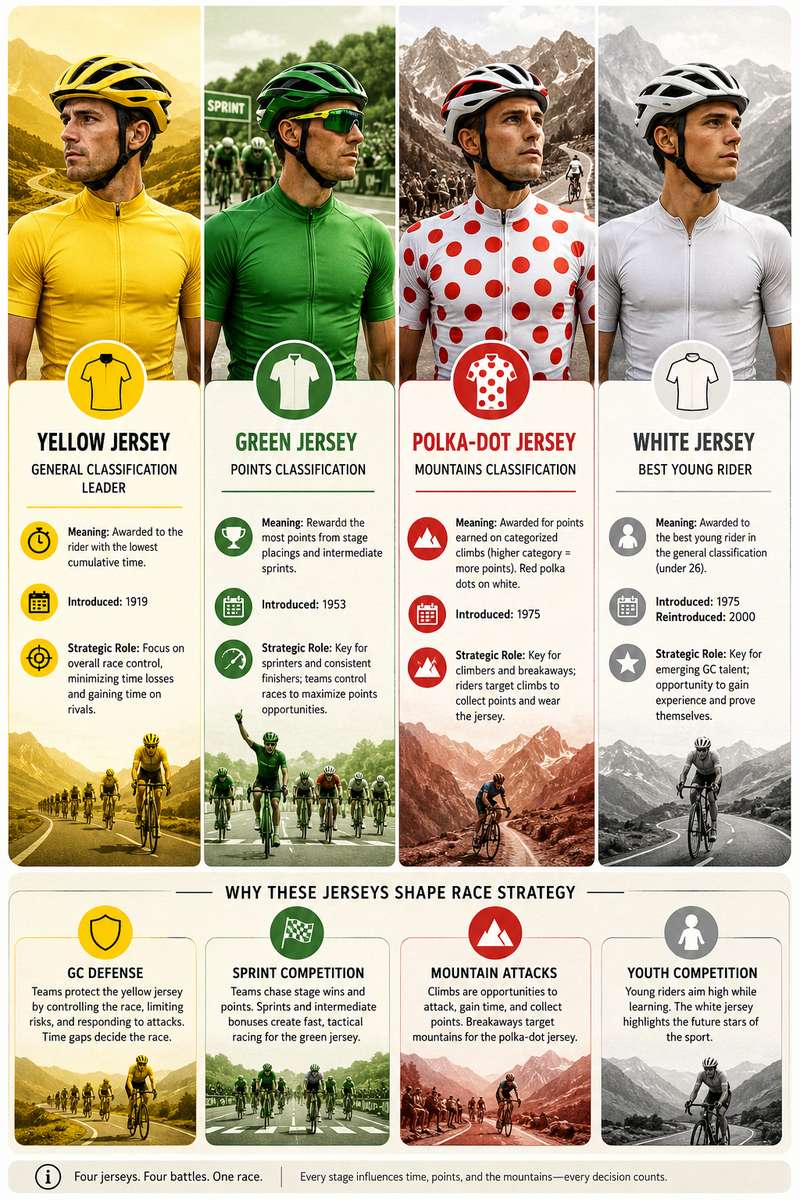
When someone says "Tour de France jerseys explained," they usually mean the four main classification jerseys: yellow (maillot jaune) for the general classification leader by lowest cumulative time; green (maillot vert) for the points classification leader; the polka-dot (white with red dots) for the mountains classification leader, often called King of the Mountains; and the white (maillot blanc) for the best young rider — the highest-placed rider in the GC below the race's age limit. These are the visible markers that tell live viewers which competitions are active within the single race.
How it works
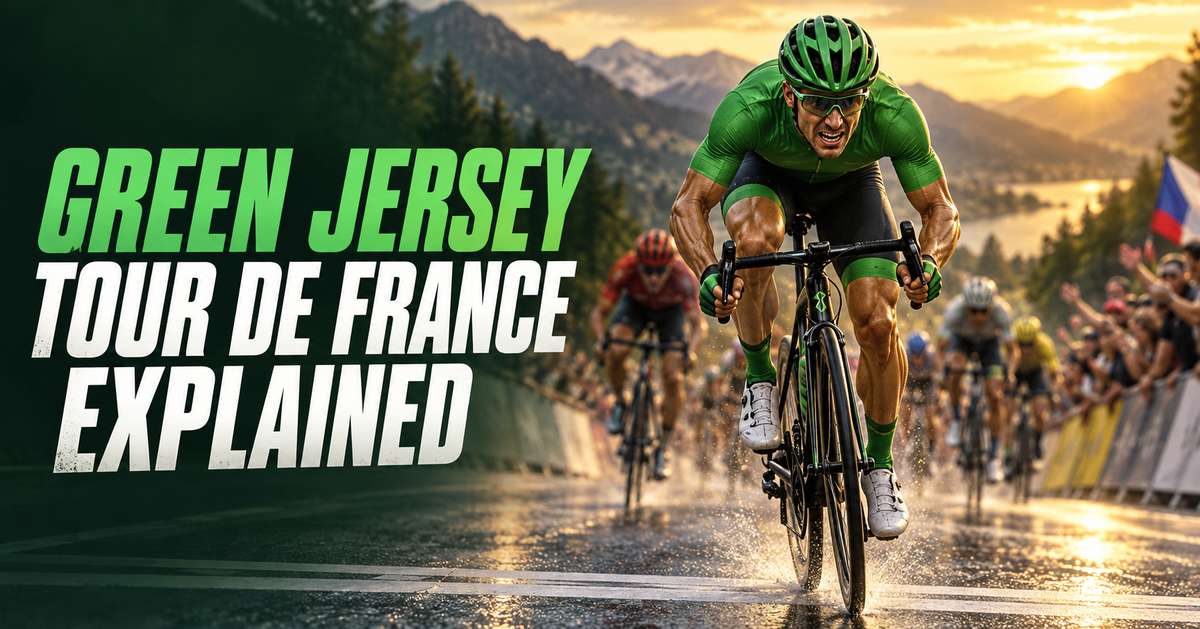
The yellow jersey is awarded to the rider with the lowest total time across all stages — the primary measure of the overall race leader and the eventual winner. The green jersey is a points-based competition: points are awarded at stage finishes and intermediate sprints, and it generally favours sprinters and riders who can finish consistently near the front. The polka-dot jersey is decided by points awarded to the first riders over categorized climbs; harder climbs give more points. The white jersey goes to the highest-placed young rider in the GC. Race rules define the exact point scales and climb categories, and those technical details determine which stages different riders target.
Jersey priority and who wears what
A rider can lead more than one classification. When that happens, the higher-priority jersey is worn on the road — for example, a rider leading the general classification wears yellow rather than another jersey. The other jersey is then worn during the stage by the next-placed eligible rider in that classification. This visible hierarchy matters for television, race attention, and the way teams allocate support during a stage.
Tactics and team strategy
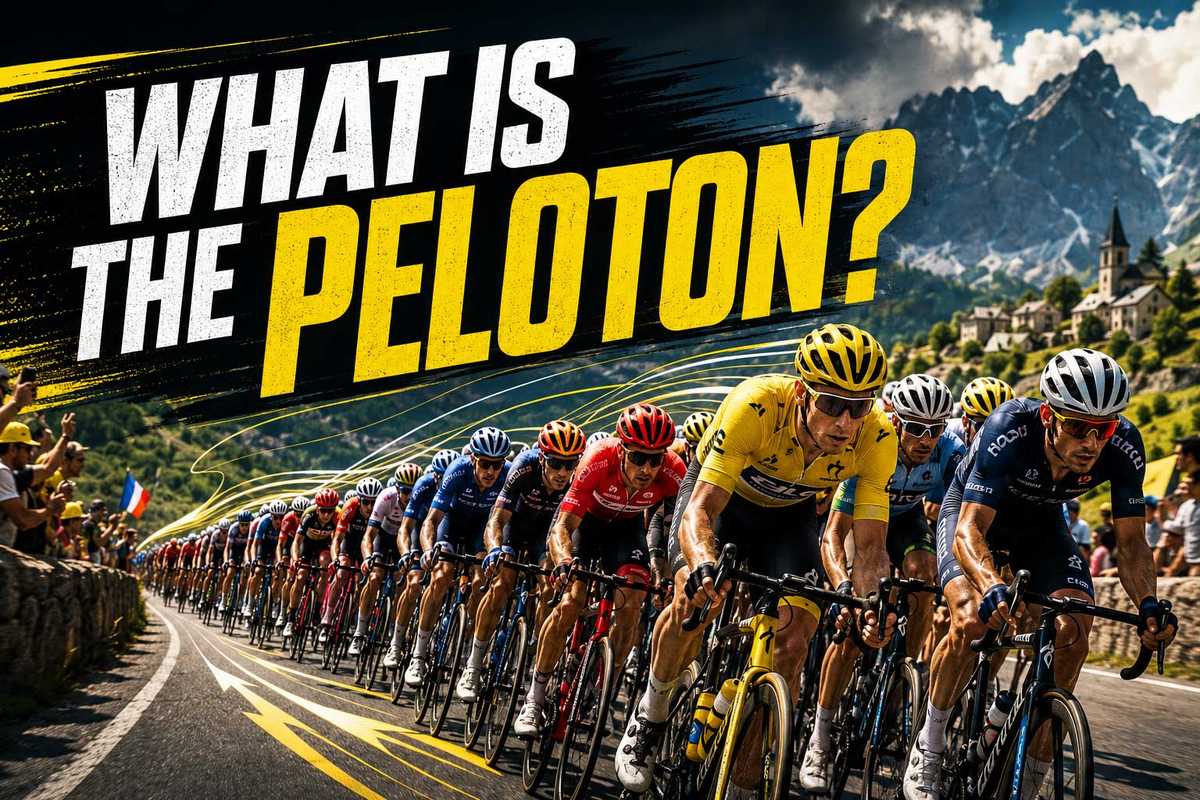
Each jersey creates a different tactical battle. Teams defending yellow ride to control the peloton, protect their GC rider, and neutralise threats — often by setting tempo, chasing breakaways that contain GC dangers, or shepherding their leader across difficult sections. Sprinter teams target stage finishes and intermediate sprints to collect green jersey points, organising lead-out trains on flat stages to deliver their sprinter to the line. Riders aiming for the polka-dot jersey often look to get into breakaways on mountain stages or attack on climbs to pick up mountain points. Young GC contenders chase steady overall time to remain competitive for the white jersey rather than chasing stage wins.
Terrain and stage profile
The shape of the route decides which jerseys are most contested on any given day. Flat stages with sprint finishes award many green points and are prime days for sprinters. Mountain stages and those with multiple categorized climbs are where the polka-dot competition is fought. Time bonuses, stage lengths and the placement of intermediate sprints or climbs — all set by race rules — influence which riders and teams invest energy. Over a three-week Grand Tour, the accumulation of these stage-specific opportunities maps directly onto who can realistically take or defend each jersey.
Rider roles and physical effort
Different rider types pursue different jerseys. Pure sprinters focus on high-power bursts and positioning for flat finishes to take green points. Climbers and strong breakaway riders chase mountain points and stage wins to build a polka-dot lead. GC contenders must combine climbing, time-trialling and energy management to hold yellow, while young talents aiming for white balance consistent GC placings with the need to survive hard stages. Domestiques and team leaders have clearly divided tasks: protecting, pacing, chasing or launching attacks depending on which jersey the team is prioritising that day.
Why it matters for fans and viewing
Recognising the jerseys lets a viewer read the race: when the peloton slows to let a breakaway contest mountain points, you can infer a polka-dot battle; when sprinter teams speed up across a flat finale, green points are at stake. The yellow jersey signals the overall narrative — who every team watches — while the other jerseys create secondary storylines that produce aggressive racing, breakaways, and stage-hunting tactics. Understanding how points and climbs are weighted helps viewers predict where attacks will come and which riders are likely to benefit.
Closing interpretation
Understanding the Tour de France jerseys explained turns colourful shirts into a decoding tool: they reveal underlying competitions, team priorities, and tactical choices that shape each stage. Instead of mere fashion, the jerseys are tactical targets that determine who chases, who shelters, and who risks everything on a climb or a sprint. For fans and newcomers alike, spotting a jersey is the first step to reading the race intelligence hidden inside three weeks of racing.
Author: Eric M.