Tour de France 2026 — Stage 7: Hagetmau to Bordeaux and a sprinters’ moment
Stage 7 of the 2026 Tour de France delivered a classic early-week sprint challenge: a 175.1 km run from Hagetmau to Bordeaux on 10 July 2026. This article explains where the stage sits in the race, how its flat architecture shaped the sporting outcome and why Tim Merlier's win in Bordeaux mattered for the sprint narrative of the 2026 edition.
Quick summary
Stage 7, Hagetmau → Bordeaux, was a 175.1 km sprinters' stage on 10 July 2026. Tim Merlier (Soudal-QuickStep) won the bunch sprint in Bordeaux after his team's effective lead-out.
WHERE THIS EDITION SITS IN THE CALENDAR
Stage 7 arrived during the first week of the 113th Tour de France (2026). As an early flat stage within the opening block of the race, it functioned less as a general classification test and more as a prized opportunity for fast men to claim a city finish and for teams to demonstrate sprint control and lead-out coordination.
DATES, HOST LOCATIONS, AND EVENT SHAPE
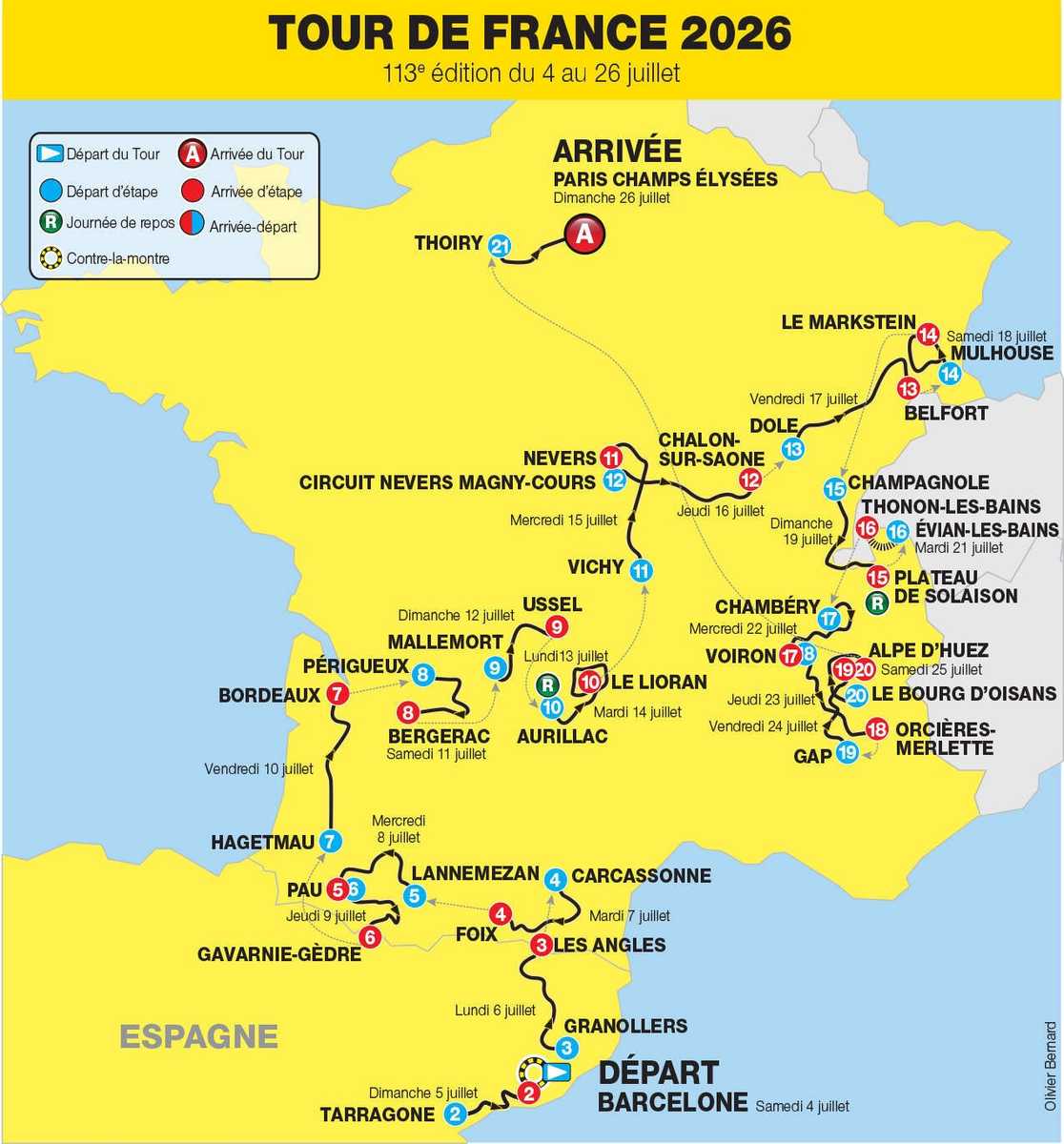
The stage ran on 10 July 2026 from Hagetmau to Bordeaux, covering 175.1 km according to the official stage page. Bordeaux acted as the finish host city, marking the Tour's presence in the Gironde region on that date. The relatively short, flat profile made the day ideal for a controlled bunch sprint rather than breakaway or mountain action.
ROUTE DESIGN AND SPORTING PROFILE
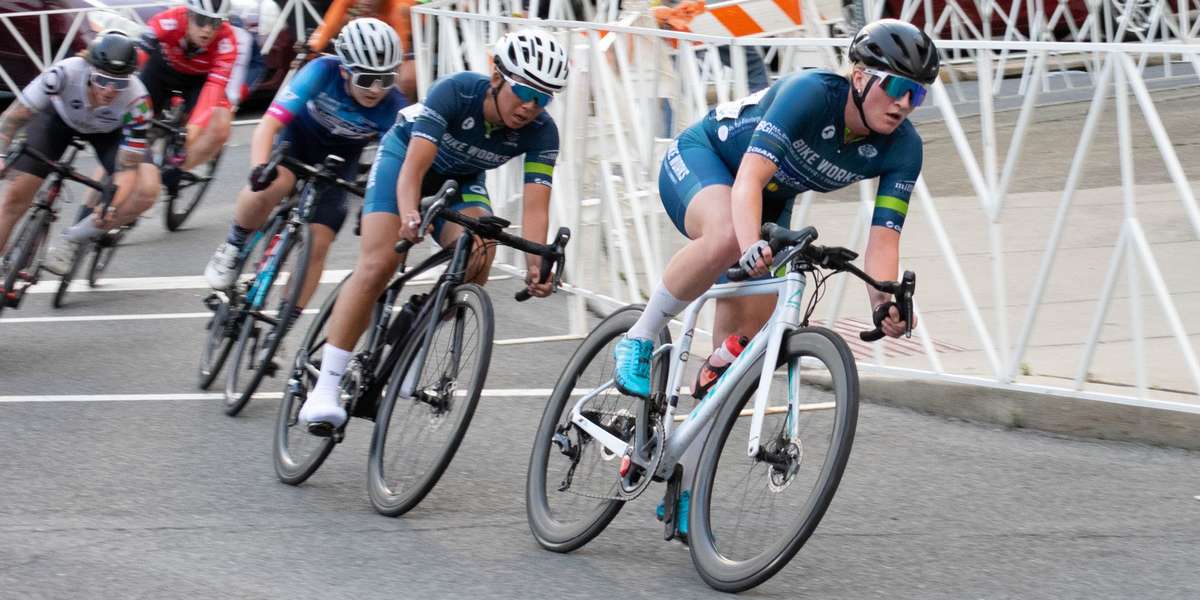
Official route details describe Stage 7 as a flat stage: the profile and distance (175.1 km) favoured high-speed group racing and a sprint finish in Bordeaux. That architecture typically compresses the race into predictable phases—early break attempts that are reeled in, teams organising trains, and a chaotic final kilometres where positioning and lead-outs decide the result. In 2026 the stage unfolded along those lines and culminated in a bunch sprint on the city streets of Bordeaux.
TEAMS, RIDERS, AND START LIST STORYLINES
Confirmed stage reporting identifies Tim Merlier of Soudal-QuickStep as the stage winner. Official Tour rankings list Merlier top of the Stage 7 classification. Contemporary coverage credited Soudal-QuickStep with executing an effective lead-out to deliver Merlier the victory. Full start lists and team compositions evolve through the race; for Stage 7 the established sprint teams were the decisive actors in the finale.
WHAT MAY DECIDE THE RACE
On a flat, 175.1 km day like Hagetmau → Bordeaux, the decisive factors are team control, timing of the chase, and the final lead-out. The winning move in 2026 was the execution of a high-speed lead-out that allowed Merlier to take the bunch sprint. Because the stage was part of the opening week, time gaps on GC were minimal and sprint stages like this mainly influenced stage honours and sprint classification points rather than the overall podium battle.
RECENT CONTEXT AND DEFENDING STORYLINES
Within the context of the 2026 edition, Stage 7 reinforced an early-season pattern: sprinters’ teams seizing city finishes to secure high-profile victories. Official reports and independent analysis from the day highlight Merlier's win as an example of team-led sprint control. The stage did not represent a turning point for the general classification but it contributed to the sprint narrative and to team morale going into the second week.
PRACTICAL VIEWER GUIDE
For fans following similar stages, pay attention to the final 10–5 km where trains form and positioning becomes critical. Bordeaux, as a city finish, typically brings technical turns and a compact run-in that rewards a clean lead-out. The official stage page and race reports provide start lists and stage rankings for readers seeking detailed finishing placings and times for Stage 7.
WHY THIS YEAR’S EDITION FEELS IMPORTANT
Stage 7 mattered because it reaffirmed the role of the sprint teams early in the 2026 Tour. Tim Merlier's victory in Bordeaux—secured by Soudal-QuickStep's lead-out—was a visible, high-profile win on a major city finish that shaped the week’s sporting headlines. While not decisive for the overall classification, the stage underlined how route design (a flat 175.1 km course) and calendar placement (first-week sprint opportunity) create moments that define the race's daily drama.
Official sources
Stage details, classifications and the official race report for Stage 7 are published on the Tour de France website; independent coverage and analysis are available from cycling media outlets that reported on Merlier's sprint win.
Author: Cynthia D.